

Updated September 2025: We have updated the article with new findings on advanced assistive technologies, including AI-powered mobility aids, smart wheelchairs, ergonomic and user-centered device developments, and recent support initiatives that enhance independent living and comfort for seniors needing care.
Understanding the Complexities of Putting Parent in Nursing Home Against Their Will
Navigating the decision of putting a parent in a nursing home against their will involves complex emotions, legalities, and ethical dilemmas. With over 15,000 nursing homes in the United States and a significant percentage of involuntary discharges reported each year, this situation is more common than one might expect. According to the U.S. Department of Health & Human Services, facility-initiated discharges that do not adhere to regulations can cause severe distress and potential harm. In this comprehensive guide, we delve into the multifaceted aspects of involuntary nursing home placements, providing insights and alternatives that respect the dignity and autonomy of our elders.
What Does It Mean to Put a Parent in a Nursing Home Against Their Will?
Involuntary nursing home placement typically occurs when an elderly parent refuses care, yet their health or safety is jeopardized without it. This situation arises from various factors, including cognitive decline, behavioral issues, or an inability to perform daily tasks. Legally, such placements must follow strict regulations outlined by Medicare.gov, ensuring that residents’ rights are upheld and that placements are necessary and justified.
Case studies often illustrate the emotional turmoil faced by families and the profound impact on elderly individuals moved without their consent. A significant example is a study from PubMed, which found a marked increase in fall incidents among involuntarily relocated residents, along with family reports of distress and dissatisfaction with the process.
Legal and Ethical Considerations of Involuntary Nursing Home Admission
From a legal standpoint, residents have specific rights regarding informed consent and the right to refuse treatment, as advocated by Mobilization for Justice. In situations where an individual cannot make decisions, guardianship might be granted, enabling another party to make decisions on behalf of the elderly person. This scenario often raises ethical questions about balancing autonomy versus safety.
Legal experts stress the importance of thorough documentation and obtaining all necessary consents or court orders before proceeding with involuntary placements to avoid potential litigation and comply with regulations.
The Emotional and Health Impact of Forced Nursing Home Placement
The emotional toll of forced nursing home admissions is profound. According to CDC FastStats, many residents and their families experience significant mental health repercussions, including anxiety and depression. Beyond mental effects, physical health can decline; the disruption and loss of familiar environments often lead to adverse health outcomes, such as the increased fall rates reported by PubMed in residents who are involuntarily moved.
Healthcare professionals note that engaging in empathetic conversations and inclusive decision-making processes can mitigate some of these negative effects. Real-life scenarios within nursing homes highlight the importance of personalized care plans and connection to familiar items to ease the transition.
Rights of Residents and Families: Appeals, Advocacy, and Alternatives
Families have several avenues to contest involuntary admissions. The appeals process, as outlined by the Office of Inspector General, allows families to legally challenge decisions. Moreover, advocacy groups such as Mobilization for Justice provide resources and support to ensure that the rights of residents are respected.
Increasingly, families are considering alternatives to nursing home care, such as in-home support services that offer less restrictive environments while adequately addressing care needs.
Exploring Alternatives to Nursing Homes
For seniors wishing to age in place, the right support can make a significant difference. Recent advances in assistive technology have expanded available choices beyond traditional in-home care or nursing home placement. AI-powered smart glasses, such as VisionX AI Glasses, now allow visually impaired individuals to navigate independently by describing environments in real time and providing facial recognition and navigation assistance using voice commands. Think Beyond The Chair
Functional electrical stimulation devices, wearable robotic exoskeletons, and brain-computer interface (BCI)-controlled prosthetics, like the NeuroGrip Arm, significantly enhance natural movement and dexterity for users with mobility or limb impairments. Smart wheelchairs equipped with autonomous navigation—such as devices using lidar and smart sensors—promote safe mobility with minimal physical effort, allowing users to self-drive through varied environments with features like zero turning radius and app control. Equal Accessibility LLC PMC
For individuals with upper extremity limitations, robotic self-feeding tools, including clinically validated devices like Obi Robot, have shown strong efficacy in improving independent eating at home. User-centered and ergonomic design trends continue to evolve in all assistive devices, focusing on customizable interfaces, intuitive controls, and affordability to ensure suitability for diverse needs and home environments. Assistive Technology Outcomes and Benefits Journal
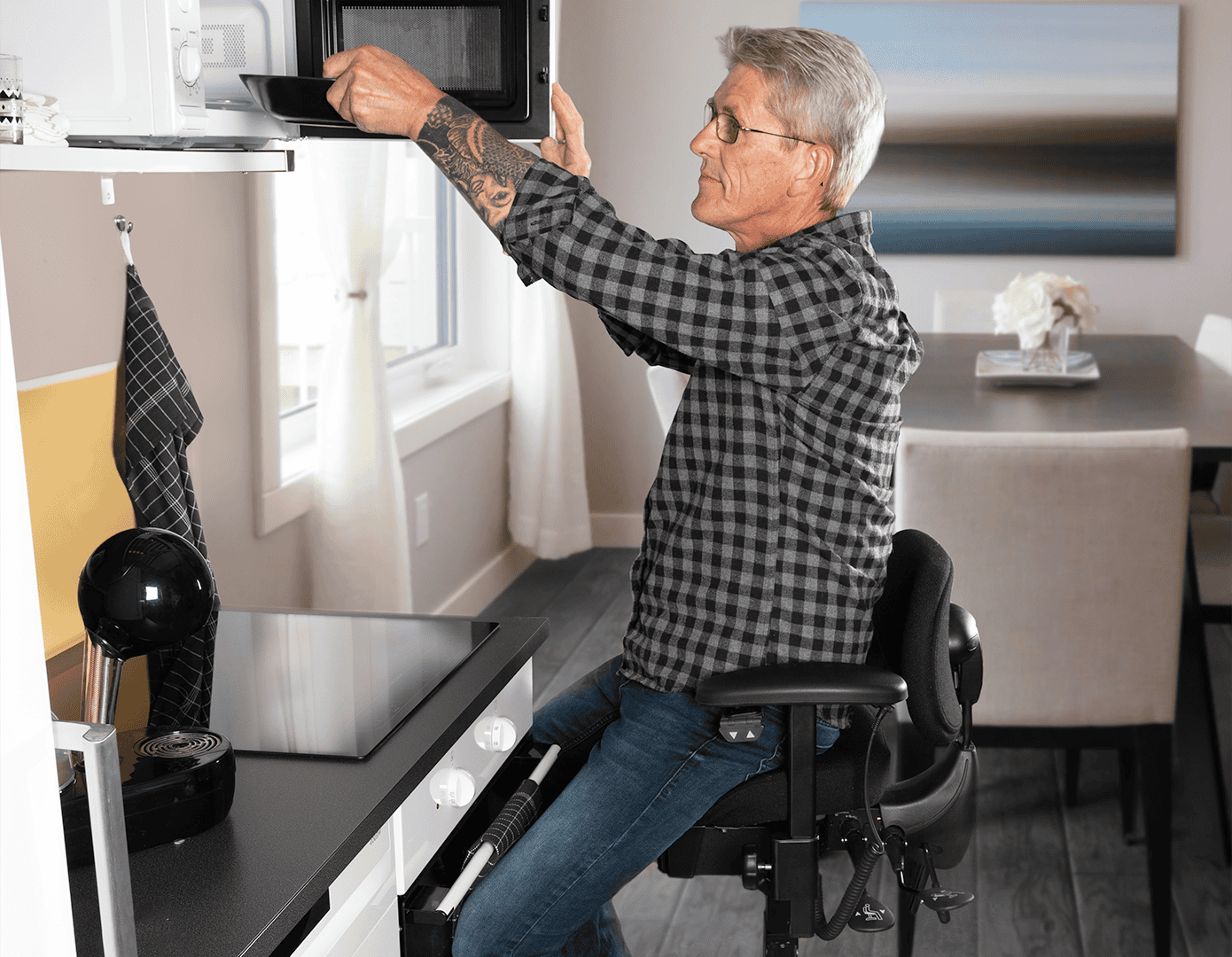
Products like the VELA Independence Chair continue to serve as a viable alternative. This medically approved mobility chair is designed to enhance safety, facilitate freedom of movement while seated, and support daily activities such as cooking, dressing, or transferring. By alleviating some of the burdens on informal caregivers and reducing fall risks, VELA provides families with an alternative that supports both safety and autonomy, illustrating that not all seniors require institutional care.
VELA Chairs are a practical option that promotes independence, equipping users with features designed to address common age-related challenges. The central brake offers security from unintended movement, while electric height adjustability allows for comfortable transfers and access to different home areas. Ease of seated movement enhances everyday activities like cooking or relaxing, delaying the need for nursing home admission. By improving safety and conserving energy, these chairs don’t just support the person using them; they also lighten the load on caregivers. Recent advancements in home mobility solutions, coupled with growing government support programs and affordability initiatives, make these products more accessible than ever for families seeking alternatives to institutional care. Ability Montana Next Market Strategy Consultancy PR Newswire / Technavio
While VELA is not the only solution, it is a proven and practical tool for reducing caregiver burden and enhancing the dignity, freedom, and safety of seniors at home. For more on maintaining independence at home, explore How Mobility Solutions Like VELA Make a Difference or learn about effective Fall Prevention Strategies.