

Updated September 2025: We have updated the article with the latest advances in assistive technologies, patient-centered rehabilitation practices, best-in-class fall prevention strategies, changes in Medicare reimbursement, and a discussion of workforce and policy trends shaping rehabilitation nursing homes in 2025.
Navigating Rehabilitation Nursing Homes
Rehabilitation nursing homes serve a dual purpose in healthcare, acting as a bridge between intensive rehabilitation and the compassionate, long-term care for which nursing homes are known. Choosing the right facility is often contingent on understanding these roles and the measurable impact that such services have on patient outcomes. According to the National Institute on Aging, these facilities address the needs of a significant aging population, offering rehabilitation and nursing care under a single roof.
Understanding Rehabilitation in Nursing Home Settings
Rehabilitation services within nursing home settings offer a spectrum of therapies that aim to restore function and enhance the quality of life for patients. Typically, these services include physical, occupational, and speech therapies, similar to those found in dedicated rehabilitation centers. According to Meadowridge, such services form part of a broader spectrum of long-term care that caters to varied patient needs. For instance, a nursing home might provide a schedule where residents engage in physical exercises, followed by occupational therapy to regain essential skills like dressing or meal preparation.
Types of Rehabilitation Services Available in Nursing Homes
Rehabilitation nursing homes offer various therapy modalities tailored to specific patient needs. Physical therapy focuses on mobility and strength, crucial for post-surgery recovery. Occupational therapy aids in regaining independence in daily activities, such as using the bathroom or preparing meals. Speech therapy addresses communication and swallowing disorders, essential for maintaining nutritional health. The National Institute on Aging notes that these services can be transformative, and Roosevelt Rehab highlights specialized programs for conditions like stroke recovery.
Recent years have brought significant developments with the integration of advanced assistive technologies. Many facilities now utilize smart patient monitoring devices and AI-assisted personalized care plans, making it possible to identify risks earlier, improve interventions, and tailor rehabilitation for optimal outcomes. Telehealth has also become an important component, allowing for remote consultations and follow-ups that support ongoing patient progress.
ACPlus; Provider Magazine; Shepherd Premier Senior Living.
Paying for Rehabilitation in Nursing Home Settings
Understanding the financial aspects of rehabilitation care involves recognizing available options like Medicare and Medicaid, with private insurance often providing complementary coverage. ACPlus anticipates changes by 2025, forecasting a 4.2% increase in Medicare Part A payments to skilled nursing facilities. Recognizing these shifts and the potential impacts from Medicare Advantage plans is crucial for informed decisions. There is increased focus on Value-Based Purchasing programs, which financially incentivize nursing homes to reduce hospital readmissions and achieve quality outcomes for residents. These payment models are shaping the delivery of therapy services within facilities, promoting greater collaboration between rehabilitation teams and overall nursing home operations.
Skilled Nursing News; National Investment Center (NIC).
Further insights on funding strategies can be explored through Medicaid.gov.
Choosing the Right Rehabilitation Nursing Home
Selecting the ideal rehabilitation nursing home involves assessing critical factors to ensure they align with patient-specific needs, such as staff qualifications, available services, and patient-to-staff ratios. According to Knollwood Nursing Center, asking questions about individualized care plans can provide clarity and confidence. For instance, a family might inquire about the involvement of family in care planning and the diversity of rehabilitation programs available to tackle specific recovery goals.
Modern nursing homes are increasingly focused on ergonomic and wellness-centered design. Features such as non-slip flooring, secure handrails, enhanced natural lighting, exercise areas, and accessible green spaces are now prioritized to support holistic recovery and overall well-being. Fall prevention remains a top priority; comprehensive resident-specific risk assessments, staff training, and ongoing environmental adaptations are considered best practices for 2025. These measures, along with technology integration, help minimize hazards and optimize safety for all residents.
Lisclare; Shepherd Premier Senior Living.
In 2025, workforce challenges—particularly shortages of registered nurses—remain an issue for many facilities. Nursing homes are responding with innovative staffing models and enhanced training programs to maintain care quality and operational efficiency.
AHCA/NCAL Blog.
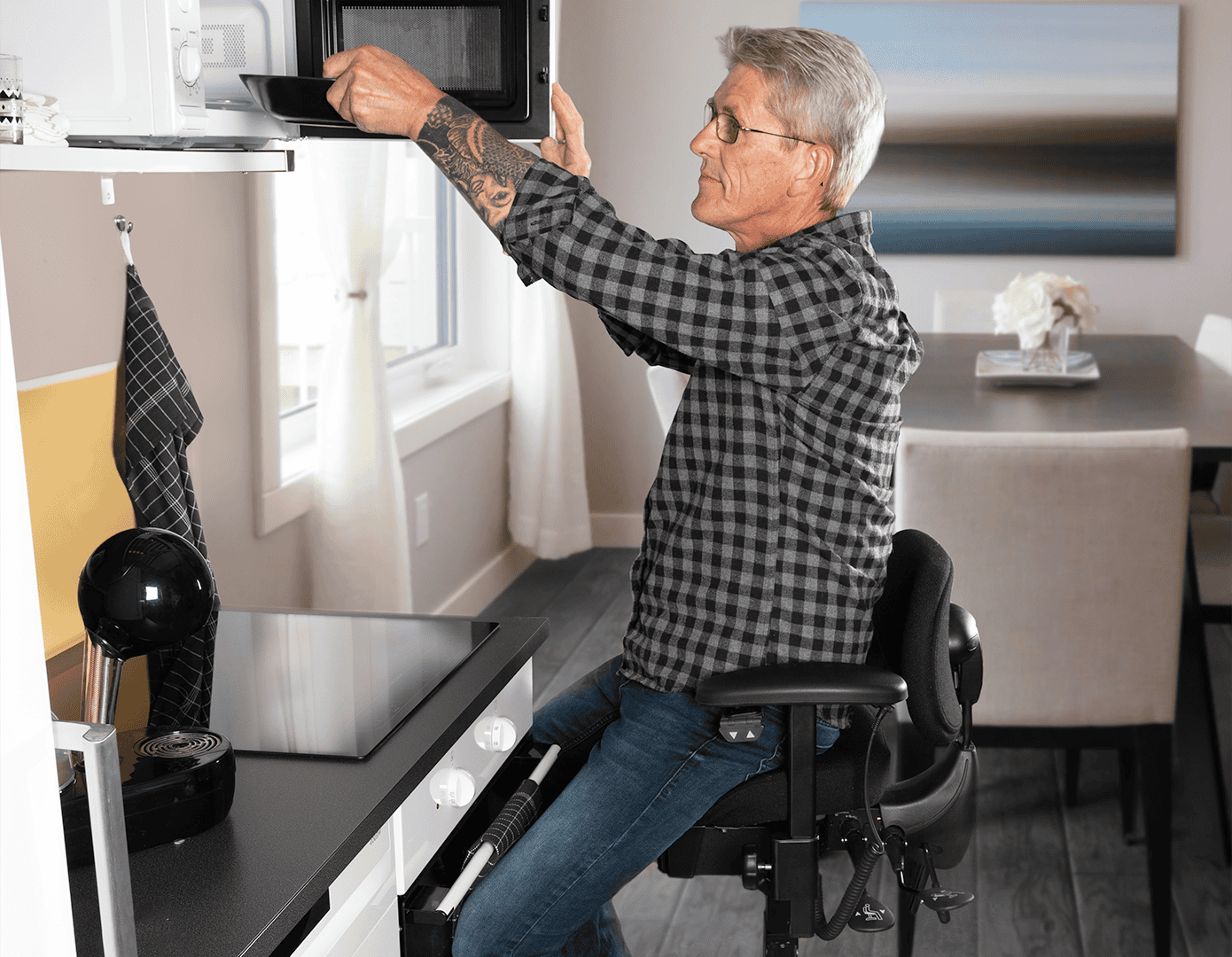
Innovative solutions such as the VELA Chair can significantly enhance daily life for those wishing to age in place. With features like a central brake for stability and electric height adjustability, these chairs address key challenges seniors face, promoting safety and ease of movement essential for tasks like reaching or shifting rooms. The mobility offered can delay the need for transition to a nursing facility, allowing seniors to remain in home comfort. While VELA is one of many options, its utility illustrates the blend of technology and personal care in supporting independent living.
ACPlus | 2025 Skilled Nursing Facility Industry Outlook: Emerging trends in technology, workforce, and reimbursement driving SNFs in 2025
Lisclare | Fall Prevention in Nursing Homes: Best Practices for 2025
Provider Magazine | Long Term Care 2025 Trends and Outlook
Shepherd Premier Senior Living | Choosing Healthcare & Rehab Center in 2025
National Investment Center (NIC) | Skilled Nursing Faces Opportunities and Challenges in 2025
Skilled Nursing News | The Future of Therapy Services in Nursing Homes
AHCA/NCAL Blog | 2025–2026 Nursing Home Report: Workforce turnover and employment trends impacting care quality