

Updated September 2025: We have updated the article to reflect recent advances in assistive technologies for nursing home care, including the integration of AI-powered mobility devices, robotic exoskeletons, wearable health monitors, and smart home systems. Updates also cover current workforce trends, clinical practices utilizing digital health integration, and expert perspectives on the role of technology in enhancing, rather than replacing, human caregiving.
Resident Assistant Nursing Homes: A Key Role in Quality Care
The role of a resident assistant (RA) in a nursing home is pivotal in ensuring quality care for residents. These dedicated professionals not only provide essential daily assistance but also offer emotional support to enhance the quality of life for the elderly. With the Centers for Medicare & Medicaid Services (CMS) announcing a 4.2% increase in Medicare payments to skilled nursing facilities for fiscal year 2025, as detailed in their recent report, the demand and significance for skilled RAs in healthcare are more critical than ever.
What Does a Resident Assistant in Nursing Homes Do?
Resident assistants (RAs) are integral to nursing homes, offering personalized care and attention that encompasses daily living activities. Unlike caregivers or certified nursing assistants (CNAs), RAs adopt a holistic approach, which includes not only assisting with personal hygiene and grooming but also fostering social engagement. According to the Indeed Career Guide, RAs help residents maintain dignity and independence, enhancing their emotional and physical well-being through activities such as bathing, dressing, and promoting mobility.
In a typical nursing home, resident assistants often face a dynamic schedule that adapts to the individual needs of residents. They work under registered nurses’ supervision, ensuring that residents receive help with eating and mobility and are accompanied to social activities. For example, in a bustling nursing home in Boston, a resident assistant may spend the morning helping residents with breakfast before transitioning to organize a group activity in the afternoon.
Required Qualifications and Skills for Resident Assistants
Becoming a resident assistant often requires certain certifications, such as CNA or PCA, although specifics can vary by state or facility. According to ZipRecruiter Career Resources, essential skills for RAs include compassion, strong communication abilities, and meticulous attention to detail—qualities that complement the physical demands of assisting with resident mobility and providing physical support.
One practical example is Jennifer Michaels, a seasoned RA, who shared her experience: “While the job’s physical aspects are indeed challenging, the reward of making a positive difference in someone’s life each day is unmatched.” This firsthand perspective underscores the crucial role of empathy and patience in fulfilling the RA role effectively.
Daily Responsibilities of Nursing Home Resident Assistants
According to Discovery Villages Senior Living, RAs are responsible for activities such as grooming, meal assistance, and medication reminders. Their role also encompasses safety protocols, including fall prevention and providing mobility support. Accurate documentation forms a vital part of their responsibilities, facilitating clear communication among healthcare providers and ensuring continuity of care.
Recent advances in assistive technology are further transforming the RA role and daily routines in nursing homes. AI-powered smart wheelchairs featuring obstacle detection, autonomous navigation, health monitoring for pressure sore prevention, voice and gesture controls, and mobile app integration are increasingly available. Brain-computer interface (BCI)-enabled prosthetics and robotic exoskeletons now provide mobility options for residents with severe disabilities. Smart canes and wearable health monitors integrate digital health data, allowing RAs to deliver more personalized and proactive care. Smart home integrations, such as voice-activated lighting and IoT devices, are also enhancing safety and daily living within nursing facilities. These innovations reduce physical strain for caregivers and increase resident autonomy, supporting improved care outcomes.[2][4][6][8]
The Impact of Resident Assistants on Quality of Life
Resident assistants play a significant role in enhancing the emotional and social well-being of residents. They create a warm, community atmosphere that helps mitigate feelings of isolation. RAs actively engage in planning social activities and encourage interactions that promote residents’ friendships and connections.
Moreover, maintaining regular contact with residents’ families is critical in ensuring that care aligns with family expectations, thereby building trust and transparency. Many residents have expressed gratitude for the companionship and warmth provided by RAs, highlighting the importance of this compassionate role.
Integration of AI and robotics in the care environment—according to recent expert and user perspectives—should enhance human caregiving without replacing it. Early reports from nursing homes adopting these technologies highlight increased resident autonomy, improved caregiver efficiency, and positive feedback on intuitive control systems and seamless integration into daily routines.[2][4][6][7]
Career Outlook for Resident Assistants in 2025
The career outlook for resident assistants is promising, particularly as nursing home occupancy rates increase, reaching 84.5% in Q3 2024, according to the National Investment Center for Seniors Housing & Care (NIC). An aging population necessitates skilled and caring RAs, and the recent Medicare payment increase may lead to improved compensation packages.
Workforce trends indicate a rapid expansion of care aide roles in response to rising demand, even as the growth of nursing staff occurs more slowly.[1][5] The adoption of AI-powered tools supports workforce management, training, and monitoring, easing administrative burdens and improving care consistency while maintaining a focus on the irreplaceable human element of caregiving. Notably, turnover rates among nursing home staff are declining, which may further benefit continuity and quality of care.[5][7] Training in technology literacy is becoming increasingly valuable for resident assistants as digital health solutions are incorporated into daily routines. Ongoing expert guidance stresses the necessity of technology serving as an aid to, not a substitute for, compassionate human care.[2][4][6][7]
Industry experts highlight potential career advancements for RAs, including supervisory roles or specializations in geriatric care. However, challenges such as staffing shortages and the emotional demands of the job persist, requiring resilience and ongoing support for those in the role.
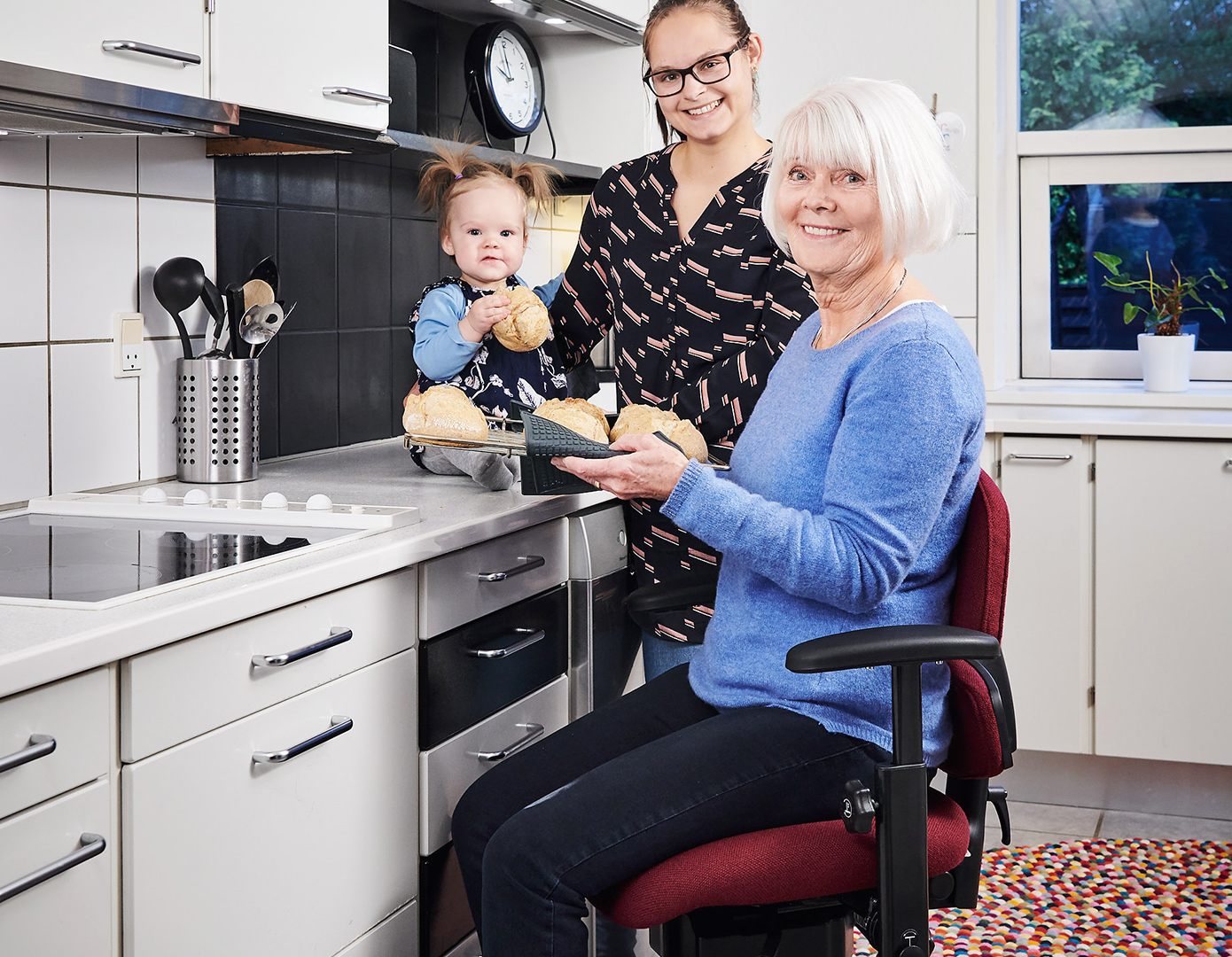
As aging individuals explore alternatives to traditional nursing home care, mobility solutions like the VELA Independence Chair offer compelling benefits. Designed to prioritize safety with features such as a central brake, the chair reduces fall risks, a significant concern for seniors. Furthermore, its electric height adjustability and ease of movement while seated enhance the ability to perform everyday tasks such as cooking and dressing with minimal assistance. Supporting Elderly Independence and Fall Prevention Strategies are central to delaying the need for nursing home care, enabling seniors to maintain dignity, freedom, and energy. While VELA chairs are not the only solution, they stand as a proven and practical option for those seeking to age in place comfortably and safely.
Sources:
- National Investment Center for Seniors Housing and Care (NIC) workforce analysis and projections — Senior housing staffing realignment through 2033[1]
- KeyWay Medical, overview of latest AI-powered wheelchairs, robotic exoskeletons, and brain-computer interface prosthetics, 2025[2]
- ThinkBeyondTheChair.org, detailed review of 2025 assistive tech gadgets including AI smart glasses and neuroprosthetics[4]
- TomCare Australia blog on 2025 assistive technologies integrating smart homes, wearables, and AAC devices[6]
- AHCA’s 2025–2026 Nursing Home Salary & Benefits Report showing turnover trends and implications[5]
- McKnight’s Home Care report on workforce trends including AI-driven staffing solutions preserving human caregiving[7]
- PubMed Central article (2012, with ongoing relevance) surveying improvements in assistive mobility technologies emphasizing user-technology integration[8]