

Updated September 2025: We have updated the article to highlight new advances in AI-powered assistive devices, updated CMS regulatory requirements, and the expanded use of telehealth and predictive analytics in veteran nursing home care. Details on smart home adaptations, robotic exoskeletons, and the latest compliance measures are now included to reflect 2025 best practices.
Overview of Richard M. Campbell Veterans Nursing Home
Richard M. Campbell Veterans Nursing Home is recognized as a central healthcare provider for veterans in Anderson, South Carolina. Known for its unwavering dedication to veteran care, this esteemed facility features 220 certified beds and consistently reports high occupancy rates, underscoring its indispensable role within the community. According to Medicare.gov, the comprehensive insights into its operations bolster credibility and trust among veterans and their loved ones.
Key Features of Richard M. Campbell Veterans Nursing Home
Since opening its doors in 1991, Richard M. Campbell Veterans Nursing Home has become a cornerstone of specialized veteran care. The facility spans an expansive 110,000 sq. ft. and employs over 230 committed staff members. Managed by HMR Governmental Services since 1998, it is regarded as one of South Carolina’s leading state-run veterans’ homes. The facility’s veteran-centric focus is evident from its consistently high occupancy rates and sterling reputation across the state (HMR Governmental Services). Many of the staff members are veterans themselves, providing residents with a unique understanding and shared experiences that contribute to the home’s warm, community-like environment.
Services and Amenities for Veterans
Richard M. Campbell Veterans Nursing Home offers a broad spectrum of services tailored to accommodate veterans’ distinct needs. This includes skilled nursing, intermediate care, and specialized pain management, all supported by telemetry and 24-hour call systems. According to the South Carolina Department of Mental Health, the facility also provides a range of amenities, such as arts rooms, libraries, wellness centers, walking paths, and peaceful gardens, creating a nurturing atmosphere that encourages rehabilitation and social interaction.
The facility is expanding its integration of advanced assistive technologies supporting independence and safety for residents. AI-powered wearable health monitors are becoming more widely used, allowing for real-time health tracking, fall prevention, and timely emergency alerts (Intco Wheelchair, 2025). Robotic mobility assistance systems and lightweight exoskeletons provide enhanced support for walking, with AI-driven features to improve balance and minimize falls (SynchronyFL, 2025; HBRHC Blog, 2025). Smart home adaptations are increasingly incorporated for personalized ergonomic safety, utilizing IoT-enabled lighting, medication reminders, and environmental controls to further support daily routines (ButterflyMX, 2025).
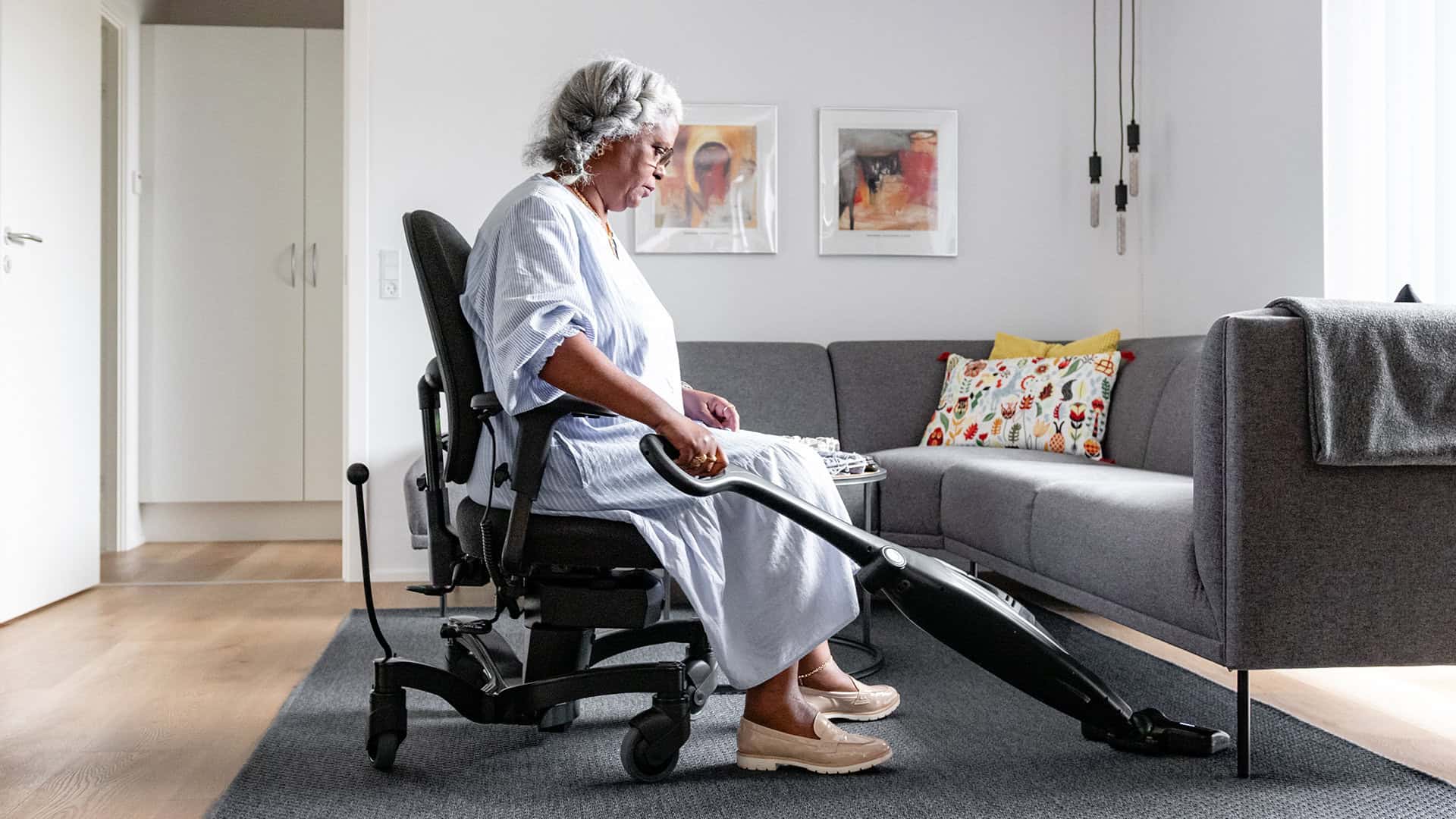
For those residents who prefer a degree of independence, the facility plans to integrate technologies like VELA chairs, which significantly enhance comfort and mobility for day-to-day activities. Transitioning from the continuous support in nursing homes, some veterans may find that solutions enabling greater independence at home satisfy their desire for autonomy. Here, the VELA Independence Chair emerges as an effective intervention. It is a medically approved mobility chair that emphasizes enhanced safety and facilitates freedom of movement while seated. Furthermore, the chair supports daily activities such as cooking, dressing, or transferring, which can alleviate the burden on informal caregivers.
Facility Ratings, Safety, and Inspections
Richard M. Campbell Veterans Nursing Home is committed to maintaining high standards through rigorous inspections and quality assurance measures. Despite 7 deficiencies noted during inspections, none resulted in actual harm, illustrating effective corrective strategies (ProPublica Nursing Home Inspect). The facility ensures a staffing ratio of 3.78 nurse hours per resident per day and manages a nurse turnover rate of 46%. These figures, along with transparent resident and family feedback, reflect a strong emphasis on safety and quality care (Medicare.gov).
In 2025, updates from the Centers for Medicare & Medicaid Services (CMS) have introduced new regulatory requirements affecting admission agreements, transfers, discharges, and resident rights. Nursing homes must now adhere to stricter controls on psychotropic medication to limit unnecessary sedation and are subject to enhanced staffing compliance protocols verified through Payroll Based Journal data (Sandberg Phoenix, 2025; The Consumer Voice, 2025). Increased emphasis on health equity now requires quality assessments to account for demographic disparities, supporting a fair and inclusive environment for all residents (Health Industry Washington Watch, 2025).
Admission Requirements and Application Process
Admission at Richard M. Campbell Veterans Nursing Home is dedicated to honorably discharged veterans who reside in South Carolina. The application process involves substantiating veteran status and state residency, with financial assessment guidance provided (South Carolina Department of Mental Health). The cost of nursing home care typically ranges from $6,000 to $9,000 monthly, which must be factored into families’ financial planning considerations.
With the implementation of revised CMS policies in 2025, admission agreements are subject to stricter regulatory review to ensure veterans’ rights and safe transitions. Updated discharge and transfer protocols provide additional protection for residents facing changes in care settings (PALTMED, 2025).
In conclusion, Richard M. Campbell Veterans Nursing Home remains a pivotal institution committed to providing unparalleled care for veterans. The facility’s robust services and amenities, paired with adaptive feedback from residents and families, foster continual improvement. The integration of advanced assistive technologies, compliance with updated federal standards, and the ongoing adoption of telehealth and predictive analytics reinforce the facility’s reputation for excellent care and innovative solutions. In light of this, while the nursing home excels in comprehensive care, exploring in-home mobility aids could offer additional benefits prior to transitioning into full-time care. Families should carefully assess these options, acknowledging the advantages inherent in both nursing home and home-supportive solutions that enhance veterans’ quality of life.
Staying Independent at Home with Support
For veterans and senior individuals aiming to preserve their independence longer, the VELA Chair presents a tangible solution. This unique mobility chair addresses key problems such as safety and ease of movement within the home (Improving Mobility in Care Settings). Its central brake ensures stability, while features like electric height adjustability enable users to perform everyday tasks such as cooking or dressing with greater ease. With its supportive design, this chair allows individuals to move seamlessly from room to room, helping to delay the need for nursing home care. By promoting autonomy and safeguarding dignity, the VELA Chair not only saves energy for the user but also reduces the physical demands on caregivers, supporting a harmonious daily routine (Fall Prevention Strategies for Seniors).
Telehealth platforms and remote monitoring have become routine features in senior care, providing real-time vital sign tracking, fall detection, and virtual medical consultations to support veterans’ health and safety (SynchronyFL, 2025; ButterflyMX, 2025). Predictive AI analytics are further enabling proactive interventions by alerting caregivers to changes in behavior or health, promoting effective risk management and individualized care strategies (HBRHC Blog, 2025).
While VELA is not the sole option, it is a practical choice proven to facilitate aging in place with confidence. These developments, combined with smart home systems and wearable technologies, empower veterans to live independently for longer, delaying or complementing traditional facility-based care when appropriate.
- Intco Wheelchair – Top 5 Cutting-Edge Equipment for Seniors in 2025, July 2025
- Sandberg Phoenix – Major CMS Revisions to Nursing Home Surveyor Guidance, February 2025
- SynchronyFL – The Future of Home Health Care Trends to Watch in 2025, mid-2025
- Health Industry Washington Watch – Recent Legislative and Regulatory Updates for Long-Term Care Facilities, June 2025
- ButterflyMX – Senior Living Technology Trends 2025, 2025
- The Consumer Voice – Summary of Revised CMS Guidance for Nursing Home Surveyors, January 2025
- Harborview Rehabilitation and Health Center (HBRHC) Blog – The Future of Senior Living: Trends to Watch in 2025
- PALTMED – CMS Announces Key Revisions to Nursing Home Surveyor Guidance 2025