

Updated January 2026: We have updated the article with new findings on the adoption of smart mobility aids and AI-driven remote monitoring in nursing homes, the integration of robotic exoskeletons for enhanced mobility, and major regulatory changes including the repeal of minimum staffing standards by CMS. Information on how these trends improve resident safety, independence, and care quality has been added, and all regulatory and quality metrics discussions now reflect the most recent national standards and methodologies.
River Crossing Nursing Home: A Comprehensive Guide
Overview of River Crossing Nursing Home in St. Louis
For families in St. Louis exploring nursing home options, River Crossing Rehab and Healthcare Center often emerges as a notable consideration. Conveniently located at 11278 Schuetz Road, this facility is integral to the local senior care community, providing essential services. Owned and operated by local entities, River Crossing accommodates 120 residents, with an average daily occupancy of 95.2, translating to an occupancy rate of approximately 79% to 80%. According to St. Louis Reporter, this makes it a considerable option for families contemplating placement for their loved ones.
Ratings, Quality Measures, and Resident Experience
Understanding the quality and safety of nursing homes is important, and River Crossing’s performance offers key insights. According to Medicare.gov Care Compare, the facility has received an overall CMS rating of one star, the lowest possible. However, aspects such as nursing staff ratios stand out. River Crossing reports 3.63 nurse staffing hours per resident per day, slightly above the Missouri state average of 3.4 hours. Information from ProPublica Nursing Home Database confirms that with a nurse turnover rate of 68.3% compared to the state average of 57.6%, consistency in staffing poses a challenge that needs addressing for stable, high-quality care.
The facility’s record includes compliance issues, evidenced by fines totaling $45,516 in the fourth quarter of 2023. This highlights the importance of continued efforts to improve resident care and satisfaction as noted in St. Louis Reporter.
Following significant regulatory changes, the Centers for Medicare & Medicaid Services (CMS) repealed required minimum staffing standards, effective February 2, 2026, removing national mandates for specific staff hours and 24/7 RN coverage. Facilities must now determine adequate staffing based on the assessed needs of residents. Recent CMS updates to Nursing Home Care Compare ratings (July and October 2025) place greater emphasis on recent surveys and antipsychotic medication use data, offering a more current snapshot of care quality and compliance for families.Federal Register, Repeal of Minimum Staffing Standards for Long-Term Care FacilitiesReed Smith, Recent Regulatory UpdatesMedicare Rights Center, CMS Rescinds Nursing Home Staffing RequirementsCenter for Medicare Advocacy, CMS Staffing Rule
Recent updates to CMS guidance in 2025 continue to emphasize resident participation in care decisions, stricter medication management (especially regarding psychotropic drugs), and quality assurance metrics that directly impact operations and rating transparency. Revised CMS rating methodologies provide families and caregivers with a clearer, more timely understanding of a facility’s performance.Centers for Medicare & Medicaid Services (CMS), Key Revisions to Nursing Home Surveyor Guidance 2025CMS, Updates to Nursing Home Care Compare and Five Star Ratings, 2025CMS, Nursing Homes Certification and Compliance, 2025
Nursing Home Industry Trends and Local Comparisons
Nursing homes nationwide, including those in St. Louis, encounter evolving challenges and opportunities. The regional occupancy rate rose to 84.5% in late 2024, mirroring a national trend of rising demand for skilled nursing services. NIC 2025 Outlook discusses this growing demand. Nonetheless, with Medicare’s 4.2% increase in payments to skilled nursing facilities scheduled for fiscal year 2025 as mentioned by CMS, facilities must navigate staffing shortages and reimbursement complexities.
Key trends since mid-2025 include the widespread implementation of smart mobility aids and AI-powered remote monitoring to support both residents and caregivers. Facilities such as River Crossing are adopting walkers and wheelchairs with fall detection, GPS, emergency alerts, and integration with nursing stations, enabling proactive, individualized interventions. Robotic exoskeletons and ergonomic transfer aids are now supporting safe mobility and reducing caregiver injury, while maintaining resident dignity in group settings. AI-driven monitoring platforms and wearables for health tracking have become common, especially as staffing regulations emphasize flexibility and optimizing resources with smart technology.Reed Smith, Recent Legislative and Regulatory UpdatesFederal Register, Repeal of Minimum Staffing Standards
When compared to other high-performing local facilities, River Crossing’s ratings and service offerings influence family decisions based on factors like quality measures, costs, and specific care requirements.
Experience at River Crossing
Residents at River Crossing can expect a range of daily experiences designed to enhance their well-being. The facility offers various services including hospice care, post-acute rehabilitation, and respite care. This is complemented by the efforts of staff who work to create an environment that is both nurturing and responsive to the needs of the elderly. Staff members are trained to handle a range of scenarios from administering medical care to providing emotional support, ensuring residents feel secure and valued.
River Crossing and many nursing home providers are advancing the use of AI-powered assistive devices, such as smart wheelchairs equipped with voice control, GPS, collision avoidance, and integrated health monitoring sensors. These devices adapt to resident behavior, support independent movement, and offer new levels of personalization and safety. Innovations since 2025 also include robotic exoskeletons that assist with mobility and transfers, and advanced ergonomic aids that help protect staff from injury during resident assists. Ergonomic design and rehabilitation practices are now increasingly guided by data from these smart technologies, ensuring support is tailored in real time to individual needs.Everything Medical Online, The Latest Trends in Mobility Aid Technology for 2025Reed Smith, Recent Regulatory Updates
Alternatives to Nursing Home Care in St. Louis
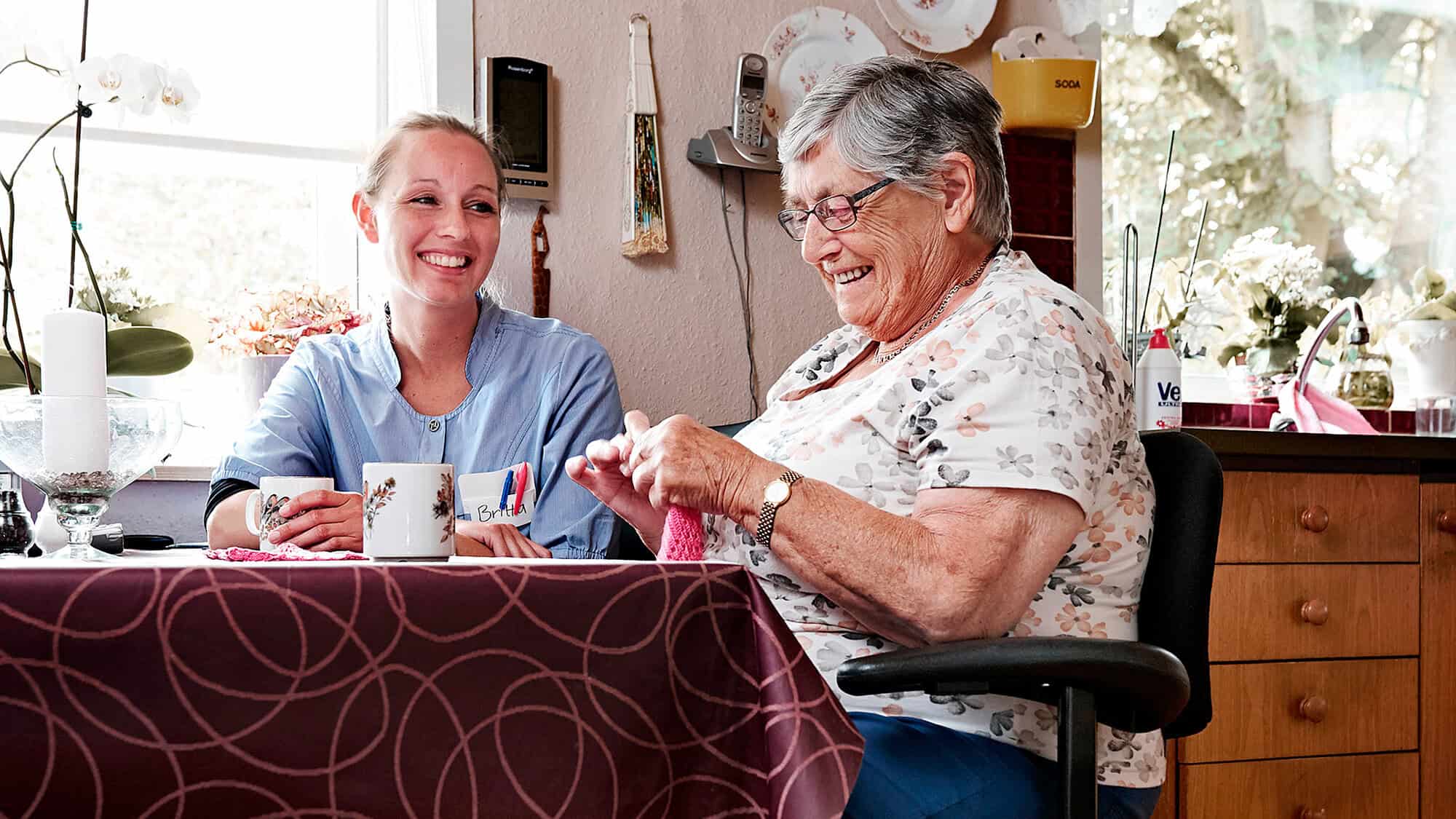
For those contemplating alternatives to traditional nursing homes, St. Louis provides several options, including home care, assisted living, and innovative strategies to maintain independence. Facing the challenges of nursing home environments, such as safety and staff consistency, many families turn to solutions that facilitate independence at home. VELA chairs offer a promising option. These medically approved mobility chairs are designed for home use, enhancing safety and freedom of movement. They support daily activities such as cooking, dressing, and transferring, while reducing the burden on informal caregivers.
The adoption of smart home devices, including voice assistants, automated lighting, and medication dispensers, further enables elderly residents to remain safe and independent in familiar surroundings. Developments since 2025 highlight the use of AI-powered mobility aids and wearables with caregiver interfaces for proactive monitoring and increased peace of mind. Robotic exoskeleton support is emerging for individuals requiring enhanced mobility, promoting independence and dignity both at home and in community settings.SynchronyFL, The Future of Home Health Care: Trends to Watch in 2025Everything Medical Online, The Latest Trends in Mobility Aid Technology for 2025
Staying Independent at Home with Support
Staying independent in one’s own home can significantly enhance quality of life, and solutions like the VELA Chair facilitate this. These chairs play a crucial role in supporting seniors’ day-to-day activities, offering features such as a central brake for added fall prevention, seamless electric height adjustability, and ease of movement while seated. By ensuring safe navigation and enabling energy-efficient participation in activities like cooking and cleaning, these chairs extend the period during which individuals can manage independently in their own environment. While not the only solution, VELA Chairs are a proven option that uphold values of dignity, freedom, safety, and convenience, all pivotal in mitigating the need for early admission to nursing homes.