

Updated January 2026: We have updated the article with the latest findings on smart mobility aids featuring AI-driven fall detection, GPS, and remote alerts; robotic exoskeletons for rehabilitation; integration of wearables and telehealth for proactive, personalized care; and the implementation of ergonomic transfer aids to enhance safety and support for both residents and caregivers in nursing home environments.
Overview of Rivers Edge Nursing and Rehabilitation Center
Located at 6301 Bass Road in Prospect, Kentucky, Rivers Edge Nursing and Rehabilitation Center plays a pivotal role in the community’s approach to senior care, particularly for the 43% of the local population that is over 50 years old. This for-profit facility has a capacity of 100 beds and strives to deliver high-quality care and rehabilitation services to its residents, supporting them in a safe and compliant environment. According to ProPublica Nursing Home Inspect, the center enjoys a zero-incident compliance record, highlighting its strong commitment to safety.
Operating under a for-profit ownership model can influence management styles and resource allocation at Rivers Edge. This structure often emphasizes efficiency and effectiveness, aligning with the facility’s goal to provide compassionate care while maintaining operational sustainability. As detailed by Seniorly.com, the experienced leadership team at Rivers Edge focuses on innovation and continuous improvement, ensuring that resident care keeps pace with industry advancements.
Quality Ratings and Resident Care
Rivers Edge’s commitment to care quality is reflected in its CMS rating of two stars, slightly below the Kentucky average of 2.7 stars, based on diverse metrics such as health inspections, staffing levels, and quality measures, according to Medicare.gov.
Staffing is critical in delivering personalized and effective care. Rivers Edge boasts a team of qualified healthcare professionals who aim to provide personalized attention to each resident’s needs, ensuring outcomes that meet or exceed standard care thresholds. Experts from the American Association for Long-Term Care Insurance assert that thorough staffing contributes significantly to improved health outcomes and enhanced resident satisfaction.
Leadership and Staff Experience
At Rivers Edge, leadership and staff exhibit a wealth of experience crucial for maintaining the high standards of care residents deserve. The management team brings together seasoned professionals with extensive backgrounds in eldercare, underscoring their commitment to both clinical excellence and empathetic service. Staff turnover rates, often a concern in nursing facilities, are kept at a minimum through ongoing training and robust support systems, ensuring consistency and stability in resident care.
Industry Trends Affecting Skilled Nursing Facilities in 2025
The skilled nursing facility landscape has evolved rapidly in 2025 and into 2026 due to groundbreaking technologies aimed at improving resident care, independence, and operational effectiveness. A new generation of smart mobility aids—such as walkers, wheelchairs, and scooters with built-in fall detection, GPS, and automated alerts—has dramatically enhanced safety and monitoring capabilities. AI-powered remote health monitoring via wearables supports early detection of changes in health status, behavioral patterns, and risks such as wandering, allowing for timely interventions and more personalized care for residents.[1][2][3][6]
Powered robotic exoskeletons and advanced gait trainers are increasingly available for mobility-impaired individuals, supporting rehabilitation and improved mobility within nursing home settings. Ergonomic transfer aids, including hydraulic lifts and adjustable beds designed for shared use, are optimized to reduce the risk of caregiver injuries while maintaining resident comfort.[1]
Integrated digital platforms now link devices to nursing stations, enabling coordinated, real-time monitoring and proactive telehealth interventions. These AI-driven platforms also help streamline administrative tasks, easing caregiver workloads and facilitating more person-centered and data-driven approaches to care.[2][3]
Ergonomic and inclusive design remains central. Adaptability, user comfort, and data-driven personalization are emphasized in device development, while government initiatives continue to expand accessibility and affordability of these innovative solutions. Persistent challenges include digital literacy, privacy management, and regulatory oversight, but the transition to technology-enabled and ethical care environments is progressing rapidly.[1][3][6]
According to the National Investment Center for Seniors Housing & Care, occupancy rates have risen, reflecting increased demand, with the figure reaching 84.5% by Q3 2024 due to a growing aging population.
Financially, changes in Medicare and Medicaid reimbursements—like the 4.2% increase in payments to skilled nursing facilities outlined by the Centers for Medicare & Medicaid Services (CMS)—are significantly altering the financial landscape. Despite these adjustments, the industry grapples with staffing shortages, necessitating strategic efforts by facilities like Rivers Edge to uphold quality care amid these challenges. Adopting AI-driven predictive analytics and automated support tools has become increasingly significant, optimizing both staffing and individualized care plans.[2][3]
Planning for Long-Term Care Needs
Transitioning to skilled nursing care is a weighty decision involving an assessment of healthcare needs, financial planning, and personal preferences. As Jesse Slome from the American Association for Long-Term Care Insurance notes, living longer increases the probability of needing long-term care, highlighting the necessity of strategic planning.
Adopting effective financial strategies, such as understanding nursing home costs, exploring insurance options, and contemplating alternative care pathways, can considerably ease this transition. Real-world scenarios demonstrate the value of early planning, allowing families to make well-informed decisions that reflect their values and available resources.
Innovative and technology-enhanced solutions are now indispensable in nursing homes due to rising demands and the importance of maintaining resident independence. For residents not requiring full-time nursing care but still needing support with mobility and daily tasks, advanced assistive technologies—such as smart wheelchairs and exoskeletons—now feature fall detection, health monitoring, GPS, remote alerts, and adaptive comfort settings, further boosting safety and independence.[1] Telehealth platforms and AI-supported wearable health devices enable continuous proactive oversight, earlier intervention, and improved management of chronic conditions.[2]
For caregivers, the deployment of ergonomic transfer aids, such as modern hydraulic lifts and adjustable beds, reduces physical strain and injury rates, enhancing overall safety and efficiency.[1]
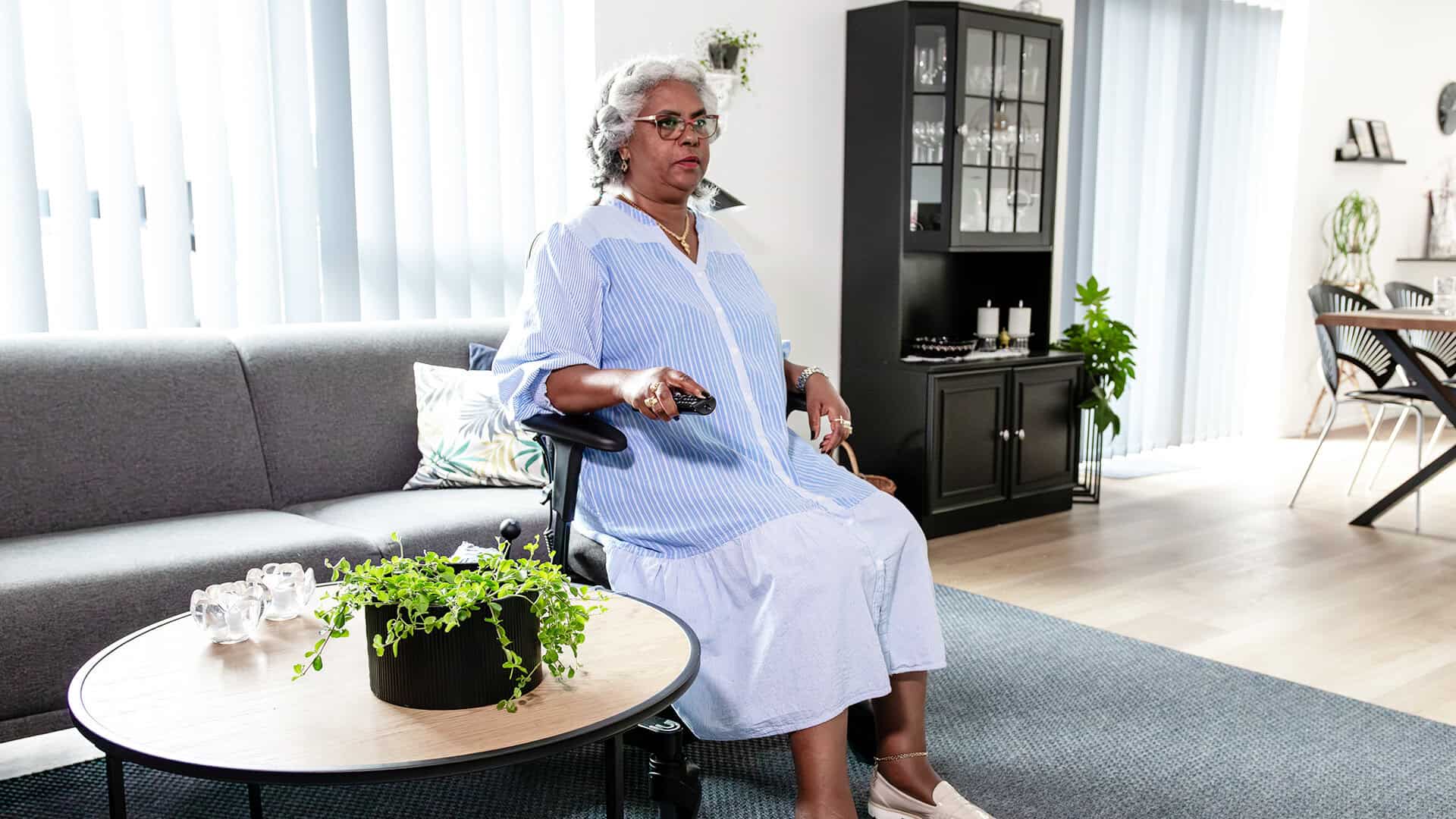
As an example, VELA chairs—medically approved mobility solutions designed for home use—offer enhanced safety features, like a central brake and electric height adjustability, which support activities such as cooking, dressing, or transferring. This not only reduces the burden on informal caregivers but can also delay the need for more intensive skilled nursing care.
Staying Independent at Home with Support
For many seniors, the desire to remain in their own homes as they age is paramount, emphasizing the need for solutions that promote independence. VELA Chairs provide a pivotal role in this context by addressing several challenges faced by elderly individuals. With features like a secure central brake for safety, electric height adjustment for ease of movement, and supportive design to assist with daily activities, these chairs significantly enhance quality of life. They help preserve dignity and energy, making tasks like cooking and cleaning more manageable. By reducing the frequency of falls and facilitating smoother transfers, mobility chairs enhancing independence can delay the necessity of transitioning to a nursing home. Modern options increasingly integrate data-driven personalization for comfort and adaptability, in line with current ergonomic best practices.[3] Though not the only option on the market, VELA chairs represent a practical, evidence-based approach to supporting aging in place, offering a balance of freedom and security for seniors and their caregivers alike.
Sources:
[1] AllSeniors.org, “Top Durable Medical Equipment Trends for Aging Seniors in 2026”
[2] American Association of Nurse Practitioners, “Top Five Health Care Trends for 2026: How New Technology Is Transforming Patient Care”
[3] LeadingAge, “3 Trends in Senior Care Technology”
[4] Provider Magazine, “Long Term Care 2026 Trends and Outlook”