

Updated January 2026: We have updated the article to reflect major advancements in AI-powered and smart assistive technologies, including AI-driven fall prevention and predictive health analytics, smart mobility aids with auto-stabilization, advanced wearables, robotic assistance for daily tasks and companionship, and the integration of remote monitoring and VR/AR therapies in nursing home and home care settings. These updates highlight Riverside’s approach to tech-enabled, proactive care, and add new sources for the 2026 landscape.
Welcome to Riverside Nursing Home in Dayton, Ohio
If you’re exploring options for senior care in Dayton, Riverside Nursing Home should be on your list. Conveniently located at 1390 King Tree Drive, just a short drive from downtown, it offers easy access to the city’s vibrant amenities and diverse community outings. You can contact them directly at (937) 278-0723 to learn more. According to Medicare.gov, Riverside Nursing and Rehabilitation Center features detailed ratings on health inspections, staffing, and quality measures, enhancing its credibility as a care provider. Additionally, Family Assets rates the facility with an average review score of 3.0.
A Comprehensive Overview of Riverside Nursing and Rehabilitation Center
Riverside Nursing and Rehabilitation Center is a fully certified Medicare facility located in the heart of Dayton, Ohio. Known for its compassionate care and professional oversight, the facility is managed by CommuniCare Health Services, a trusted name in senior care management. Family testimonials often praise the supportive environment and attentive staff, highlighting the seamless interaction between residents and caregivers. As a Medicare-certified facility, Riverside maintains rigorous standards, assuring a high level of care for all residents. According to the CommuniCare Health Services website, the center offers a wide range of specialized medical and social services.
Diverse Care Options at Riverside Nursing Home
Riverside Nursing Home provides a spectrum of services tailored to individual needs. Their short-term recovery programs and rehabilitation services are designed to help residents regain independence swiftly and safely, while long-term care offerings provide ongoing support for those needing it. According to CommuniCare Health Services, residents can benefit from specialized treatments, including physical therapy, occupational therapy, and speech therapy, all directed by skilled professionals. Beyond medical care, social activities such as bingo nights and crafts foster a lively community atmosphere that residents love.
Resident Life and Community Engagement at Riverside
Life at Riverside extends beyond healthcare—it revolves around engagement and community. The campus boasts a variety of amenities, from well-kept gardens to indoor recreational activities CommuniCare Health Services. Regular outings encourage residents to maintain connections with the broader Dayton community. Residents often share heartwarming stories of crafts and spontaneous social gatherings that brighten their daily lives. Leveraging telehealth and remote monitoring technologies now allows residents to access medical professionals and routine healthcare without leaving the facility, supporting ongoing well-being and reducing the need for off-site appointments (ButterflyMX, 2025). In addition, new technologies such as VR and AR therapies are being used to enrich rehabilitation and promote independence for residents, accommodating a range of physical and cognitive needs (LeadingAge, 2026). As echoed by many families, Riverside isn’t just a nursing home; it’s a vibrant, engaging place to enjoy one’s golden years.
Evaluating Your Options: Finding the Right Nursing Home in Dayton
Choosing the right nursing home involves careful consideration of various factors. According to Caring.com, understanding Medicare ratings is essential for evaluating the quality of facilities like Riverside. Consider asking questions about staff-to-resident ratios, types of therapeutic services available, and how they handle family communications during tours. Now, it is also important to inquire about the integration of advanced AI-supported mobility solutions, wearable health monitors, remote monitoring systems, robotic aides, and ergonomic assistive technology, all of which are increasingly widespread in forward-thinking nursing homes. Smart environments with non-invasive sensors help maintain safety and support early intervention. Comparing Riverside with other facilities such as Stonespring Skilled Nursing Facility, which boasts a higher user rating, can provide insights into finding the best fit for your needs. Financial considerations, including payment options and Medicaid acceptance, are crucial in this decision-making process, as outlined on Medicare.gov. With government incentives now supporting more affordable and innovative assistive solutions, access to these technologies in nursing homes is expanding rapidly (Next Market Study Consulting, 2025).
Staying Independent at Home with Support
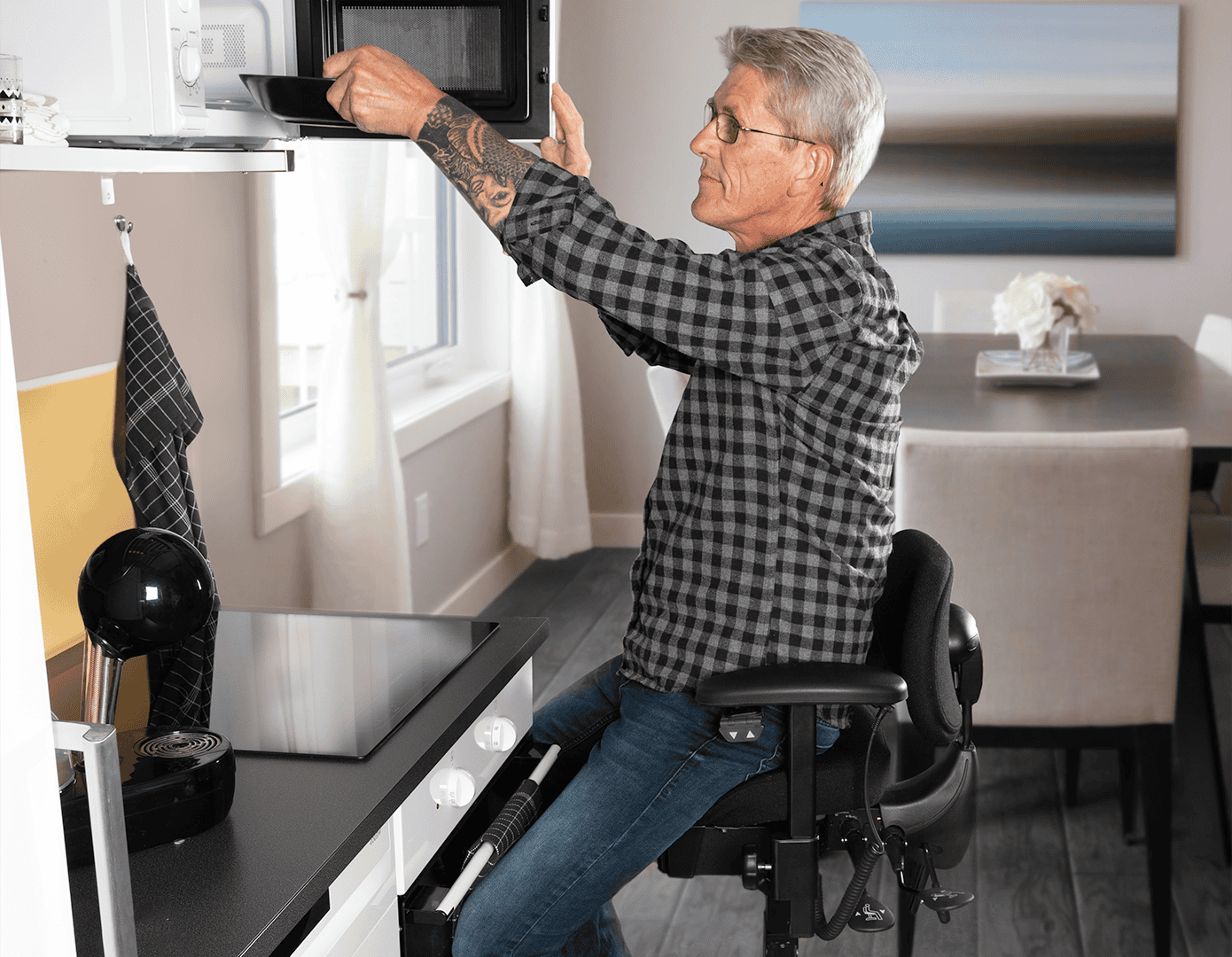
For many, the possibility of staying in their own home as they age is an appealing alternative to moving into a nursing home. The evolution of assistive technology now focuses on supporting aging in place through advanced mobility solutions, smart assistants, and remote monitoring tailored for home use (UnitedHealthcare Community & State, 2025). Current trends emphasize accessible smart home devices with IoT integration, AI for fall detection and predictive health guidance, and digital platforms that enable hospital-level rehab and monitoring in the home environment (Provider Magazine, 2026; LeadingAge, 2026). Mobility solutions like the VELA chair can make this option more feasible by addressing crucial safety concerns and aiding with daily tasks. Equipped with features like a central brake for safety, electric height adjustability, and easy movement while seated, VELA chairs can transform the experience of aging in place. Recent trends also see robotic exoskeletons and adaptive devices incorporated in rehabilitation to promote independence and improve mobility outcomes (PMC, 2025). This enhances autonomy and reduces the need for a nursing home, allowing individuals to engage in everyday activities such as cooking and cleaning with greater ease and enjoyment. While VELA chairs represent just one solution, their practical benefits highlight the significance of mobility aids in maintaining dignity, freedom, and energy conservation for seniors. For more insights into enhancing self-sufficiency and safety, explore fall prevention strategies for seniors. Care models are increasingly person-centered and technology-enabled, promoting greater independence, with a shift toward ethical data use and robust family involvement as care expectations become more tech-savvy (Skilled Nursing News, 2026; AANP, 2026).
References
- Skilled Nursing News, Top Trends That Will Shape the Skilled Nursing Sector in 2026 (2026-01-15).
- AANP, Top Five Health Care Trends for 2026: How New Technology Is Transforming Patient Care (2026-01-10).
- LeadingAge, 3 Trends in Senior Care Technology (2026-01-05).
- Provider Magazine, Long Term Care 2026 Trends and Outlook (2026-01-15).
- Synchrony Home Health Care, The Future of Home Health Care: Trends to Watch in 2025 (2025-04-10).
- ButterflyMX, Senior Living Technology Trends 2025 (2025-07-11).
- Everything Medical Online, The Latest Trends in Mobility Aid Technology for 2025 (2025-05-30).
- UnitedHealthcare Community & State, How Enabling Technology is Transforming Home-Based Care (2025-08-11).
- Next Market Study Consulting, Disabled and Elderly Assistive Device Market 2025–2030 (2025-05-20).
- PMC (PubMed Central), Integrating AI and Assistive Technologies in Healthcare (2025-03-04).
- Skilled Nursing News, Top Skilled Nursing Trends for 2025 (2025-01-03).
- Medicare.gov
- Family Assets
- CommuniCare Health Services
- Caring.com