

Updated January 2026: We have updated the article to include recent regulatory changes impacting federal nursing home staffing requirements, specifically the repeal of minimum staffing mandates effective February 2026, and the latest verified facility information about Rock Creek Care Center. The article has also been clarified regarding current staffing standards and regulatory context.
Updated August 2025: We have updated the article with recent developments in assistive technologies emphasizing ergonomic and inclusive designs, significant CMS regulatory updates affecting staffing, medication management, and resident involvement in care, and the revised Five Star nursing home rating methodology. The article now reflects modern quality assessment standards, new regulatory guidance, recent staffing policy changes, and the latest information about Rock Creek Care Center’s operations and compliance.
Understanding Rock Creek Nursing Homes Across the States
When searching for “Rock Creek Nursing Home,” it’s important to recognize that this term refers to several facilities located in California, Colorado, and Texas, each offering unique attributes and specialized care. These facilities strive to provide quality service to residents. Among these, the Rock Creek Care Center in Auburn, CA, the Rock Creek Rehabilitation and Healthcare Center in Monte Vista, CO, and Rock Creek Health and Rehabilitation in Sulphur Springs, TX are frequently noted for their service offerings and occupancy rates. For example, the California facility often achieves an occupancy rate nearing 93%, as reported by ProPublica.
Locations, Sizes, and Services
These centers cater mainly to seniors, providing a range of services tailored to their needs. The Rock Creek Care Center in California operates with 84 licensed beds and experiences high resident turnover, indicating a strong demand and quality of care.[3] Services typically include skilled nursing, respite care, and more. These are emphasized in numerous reviews on Caring.com.
Evaluating the Quality and Staffing at Rock Creek Facilities
The quality of care in nursing homes remains closely connected to their staffing and management. Rock Creek facilities generally provide competitive nurse hours per resident per day, which indicates attentive care. However, turnover rates pose a challenge, as seen with Rock Creek Care Center’s 60% turnover rate compared to the California state average of 41.1%, according to Medicare.gov. While this is a concern, it is balanced by overall positive evaluations on health inspections and resident satisfaction.[6]
Ownership is a significant factor in the consistency of quality care. Many Rock Creek facilities are managed by experienced healthcare companies committed to routine care excellence and responsive crisis management.
Recent changes by the Centers for Medicare & Medicaid Services (CMS) have affected both rating methodologies and quality assurance standards in nursing homes nationwide. As of July 2025, the CMS Five Star rating methodology incorporates only the two most recent surveys (instead of three) and includes ratings at the chain or affiliated entity level to enhance transparency.[2] Oversight resources now focus particularly on facilities with lower quality ratings or high-risk deficiencies.[1]
In April 2025, the federal mandate requiring a registered nurse (RN) to be present at all times in nursing homes was removed following a court decision, emphasizing a shift toward more flexible and innovative staffing models that meet evolving care needs.[6]
Furthermore, as of February 2, 2026, the Centers for Medicare & Medicaid Services repealed the federal minimum staffing requirements for nursing homes, including the mandates for 3.48 hours of daily nursing care per resident and 24/7 registered nurse coverage.[2] Facilities are now required to conduct enhanced assessments of resident acuity and staff accordingly.[8]
Exploring Services and Resident Experiences at Rock Creek
Rock Creek Nursing Homes place a high priority on comprehensive care, offering specialized services like rehabilitation and hospice care. Residents enjoy a variety of therapies, activity programs, and essential amenities. User reviews on Caring.com often highlight the engaging environment. Nonetheless, some anecdotes suggest that staffing levels could be improved. Despite this, many residents appreciate the personalized care options, from social activities to tailored medical programs, which enhance overall satisfaction and quality of life.
Ongoing best practices in assistive technology and rehabilitation are now focused on user-centered ergonomic design and inclusive product development, which aim to provide seniors with improved mobility and increased independence in self-care.[4] According to current CMS guidance effective February 2025, validated assessment tools such as the MDS Section GG are used to quantify assistance needs more precisely. This supports individualized intervention strategies for each resident.
In line with updated CMS surveyor guidance, there is now strengthened oversight of psychotropic medication use, greater accountability for medical directors, and explicit requirements for involving residents in their own care decisions, especially regarding admissions, discharges, and medication management.[8]
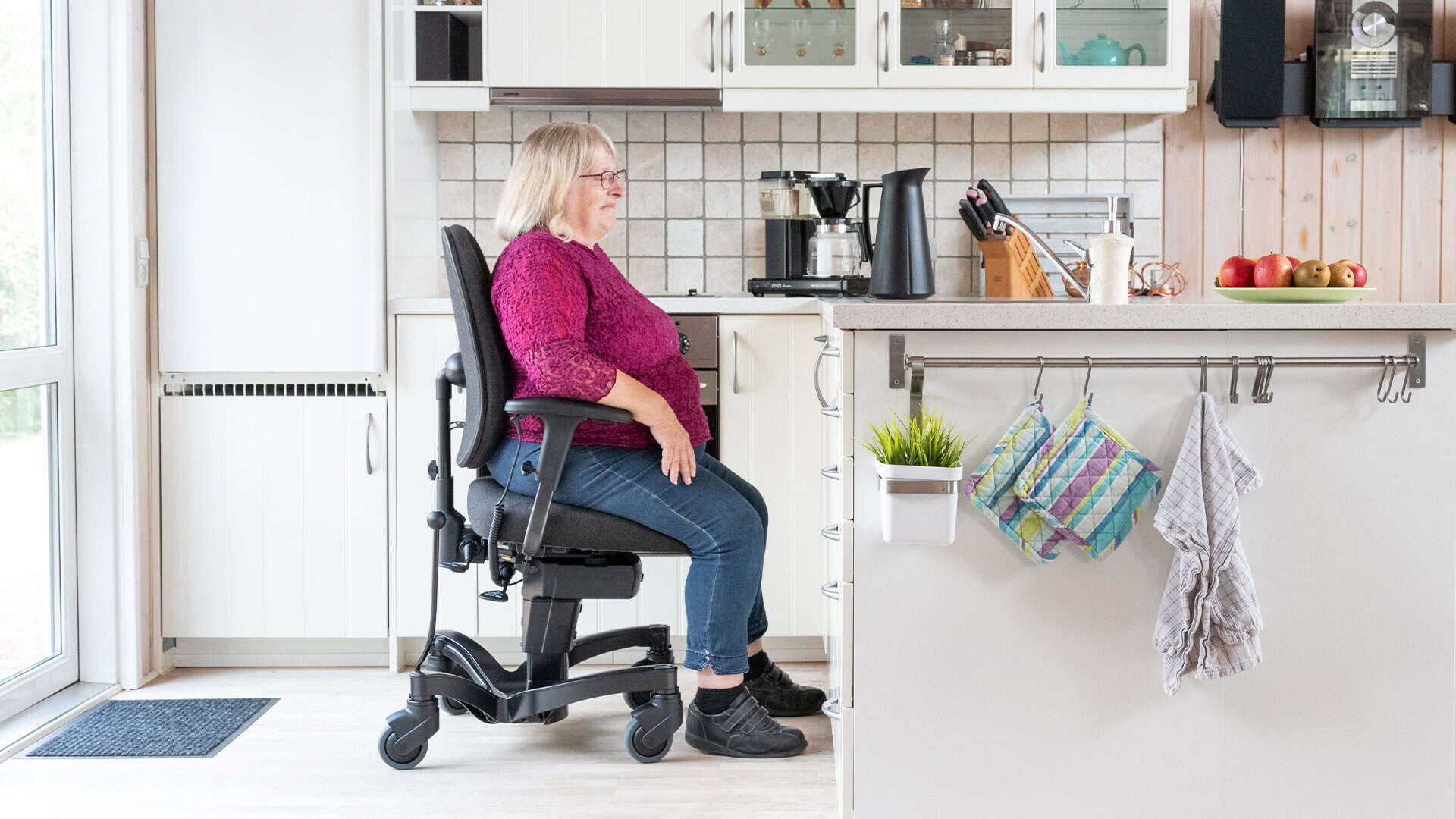
Adapting to the challenges of nursing homes, residents may seek solutions that allow them to maintain independence and remain in their own homes. Introducing innovative tools like the VELA Independence Chair can offer significant support in this regard. As a medically approved mobility chair, VELA is designed for home use to provide enhanced safety and freedom of movement while seated. It supports daily activities such as cooking, dressing, and transferring, all while reducing the caregiving load for family members.
Exploring Alternatives to Nursing Homes
The prospect of living independently at home becomes more viable with mobility solutions like VELA Chairs, which make a significant difference in everyday life. These chairs come equipped with features such as a central brake for safety, electric height adjustability, and ease of movement while seated. They help preserve energy, ensuring that older adults can engage in daily tasks like cooking, cleaning, and relaxing with greater freedom and dignity. By addressing crucial concerns like safety and ease of transfer, such devices can delay the need for nursing home care. While VELA is not the sole option, its proven effectiveness makes it a practical solution for supporting aging in place, allowing individuals to maintain a higher quality of life outside institutional settings. For more on how such solutions enhance resident activity and life quality, visit Improving Life Quality in Nursing Homes.