

Updated January 2026: We have updated the article with the latest trends and innovations in elder care, including the adoption of AI-powered mobility aids, remote monitoring wearables for safety and fall prevention, smart home integrations for bathroom safety and emergency alerts, as well as new regulatory models supporting technology-enabled and personalized care in nursing homes.
Roscoe Rehabilitation and Nursing Center: A Hub for Quality Elder Care
Roscoe Rehabilitation and Nursing Center, often referred to as Roscoe Nursing Home, stands as a notable institution for elder care in Roscoe, NY. With a close-knit community of just 558 residents, this facility is a vital part of the town due to its commitment to top-tier care for the elderly. The center’s excellence is reflected in its prestigious 5-star federal rating, highlighting its adherence to rigorous care standards. Furthermore, awards such as the Eli Pick Facility Leadership Award reinforce its esteemed reputation. According to Medicare.gov, Roscoe Nursing Home not only serves as a community anchor but also as a model of elder care excellence.
The Roscoe Nursing Home: Facility Overview and Ratings
With a rich legacy in elder care, Roscoe Nursing Home offers a capacity of 85-87 certified beds and operates under a for-profit model. It’s recognized for efficiently blending small-town warmth with professional care, as evidenced by its consistent 5-star federal government rating. The center is also celebrated with awards like the Eli Pick Facility Leadership Award, according to Living Legends Health, further affirming its high-quality care reputation. The home maintains a 79% occupancy rate and a notable 99% employee flu vaccination rate, ensuring safety for both residents and staff, as stated by NYS Health Profiles.
What Residents and Families Should Know: Services, Staffing, and Inspections
Roscoe Nursing Home offers a comprehensive suite of services, from rehabilitation to long-term and specialized care, ensuring residents receive compassionate and efficient care. Staffing is pivotal, with 2.93 nurse hours per resident per day—slightly below the state average of 3.7 hours, as noted by ProPublica. Despite this, the facility’s highly rated service quality compensates for the staffing metrics.
Transparency through inspection reports is key to accountability. Recent data from ProPublica indicates seven deficiencies primarily related to infection control, which the facility is continually striving to improve. According to Living Legends Health, these efforts form part of an extensive quality enhancement strategy to uphold high care standards.
Integrating smart technology and AI-powered solutions in elder care
Recent advances in elder care technology are rapidly transforming the experience for residents at facilities like Roscoe Nursing Home. As of 2026, AI-powered assistive devices—such as smart walkers with sensor-based fall detection, robotic exoskeletons for enhanced mobility, and grab bars equipped with alerts—are increasingly incorporated to promote autonomy and safety for individuals facing mobility or cognitive challenges (AllSeniors, 2026).
Wearable devices and remote monitoring solutions are now mainstream, allowing continuous tracking of vital signs and real-time fall prevention analytics. These tools generate personalized health data and enable early interventions, directly reducing preventable hospitalizations and empowering timely staff responses (AANP, 2026). For dementia care, predictive AI models such as the GUIDE initiative are being adopted, allowing for individualized plans and more compassionate support for residents with cognitive decline (Skilled Nursing News, 2026).
Smart home integrations, like automated lighting systems, voice-activated bathroom controls, emergency alert protocols, and IoT-enabled monitoring, are now fundamental components in modern nursing homes. These technologies help reduce fall risks, enhance bathroom safety, and foster independence while providing peace of mind for both residents and their families (AllSeniors, 2026).
Therapeutic approaches are also supported by virtual rehabilitation and teletherapy, which enable personalized activities and therapy sessions, further strengthening the focus on proactive, individualized care plans. Family demand for connected, data-driven care has grown significantly, and these digital solutions now help position Roscoe as an innovative leader rather than a static provider.
Regulatory policy trends—such as the expansion of the GUIDE model for dementia care—underscore the shift toward embracing technology platforms in elder care, even while industry-wide AI adoption remains relatively low (approximately 4.5% penetration as of 2025). Nevertheless, nursing homes like Roscoe are proactively integrating these systems while prioritizing resident privacy, ethical AI use, and protection of vulnerable populations. Facilities work to employ transparent protocols for responsible data handling and maintain their commitment to compassionate, human-centered care (Skilled Nursing News, 2026).
Living and Aging in Roscoe, NY: Demographics and Community Resources
The peaceful town of Roscoe offers an idyllic setting for a serene retirement lifestyle. Predominantly non-Hispanic white, with a median age of 57.6 years, Roscoe typifies a tight-knit community atmosphere. The median household income stands at $72,885, indicating a comfortable, middle-income bracket. Community resources, including local senior events and initiatives, actively engage and support both the nursing center’s residents and the town’s senior population.
Roscoe Nursing Home excels with its high ratings, extensive services, and community engagement. Despite the challenges surrounding staffing and inspection deficiencies, it remains a robust solution in elder care. As highlighted by Living Legends Health, the center’s dedication to excellence ensures a holistic care experience. When considering alternatives such as home-care solutions, making informed decisions that balance comprehensive services with independence and safety is essential for future well-being.
Exploring Alternatives to Nursing Homes
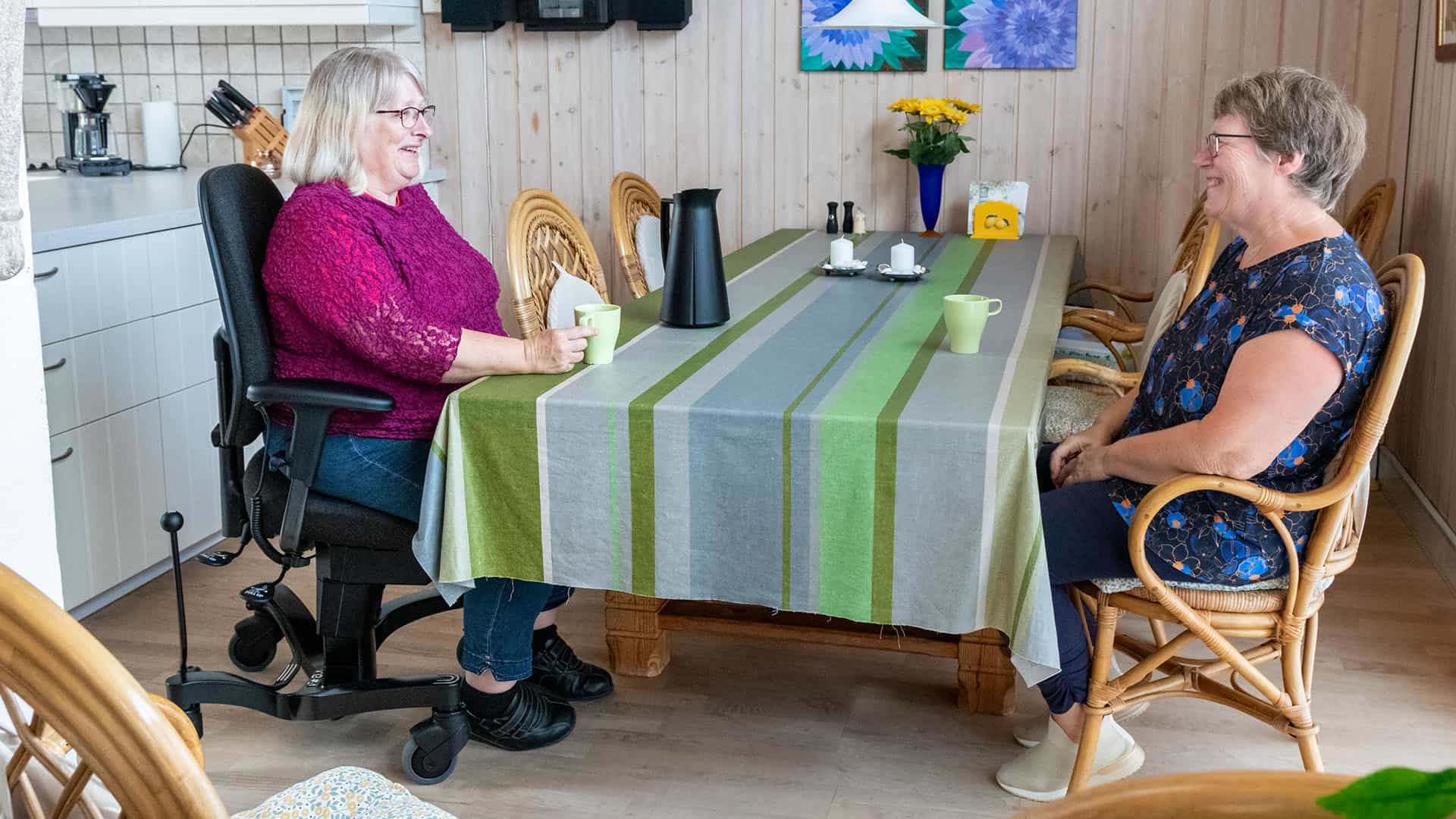
Maintaining independence and dignity in aging is crucial for many. Solutions like the VELA Chair offer an invaluable option for aging in place, allowing older adults to enjoy their home comfort for longer. The chair features a central brake for safety, height adjustability for easy transitions, and smooth seated movement. These benefits assist with daily tasks, prevent falls, and conserve energy. For residents contemplating alternatives to nursing home life, tools like the VELA Chair can delay the need for more intensive care settings, promoting longevity in home comfort. While VELA complements other mobility aids, it provides proven support that fosters safety and independence at each step.
References
- AllSeniors, “Top Home Medical Equipment for Senior Safety and Comfort in 2026” – highlights AI mobility aids, smart bathroom devices, and IoT integrations applicable to nursing homes.
- Skilled Nursing News, “Top Trends That Will Shape the Skilled Nursing Sector in 2026,” January 2026 – details AI adoption in nursing homes, GUIDE model, and predictive analytics for falls and infections.
- AANP, “Top Five Health Care Trends for 2026” – covers mainstream remote monitoring, AI in care delivery, and personalized health for seniors.
- SynchronyFL, “The Future of Home Health Care: Trends to Watch in 2025,” April 2025 – overview of AI, remote monitoring, fall detection, and wearable health tech advances in senior care.
- ButterflyMX, “Senior Living Technology Trends 2025,” July 2025 – predictive analytics, telehealth, and AI applications in senior communities.
- Everything Medical Online, “The Latest Trends in Mobility Aid Technology for 2025,” May 2025 – smart wheelchairs with integrated sensors and app control.
- UnitedHealthcare Community & State Blog, “How enabling technology is transforming home-based care,” August 2025 – smart home assistants, lighting, security to support aging in place.
- Bridge Senior Living, “Senior Living Trends For 2025,” November 2024 – technology integration and telemedicine adoption in senior living.
- PubMed Central, D. Giansanti, “Integrating AI and Assistive Technologies in Healthcare,” March 2025 – systematic review on AI-enhanced assistive devices, opportunities, and challenges.