

Updated January 2026: We have updated the article with new findings on AI-powered smart mobility aids, advanced fall detection systems, wearables for remote health monitoring, and robotic companions, underscoring their role in enhancing independence, prevention, and personalized care in nursing homes. The update also reflects regulatory trends, adoption of 5G/IoT-enabled devices, and Ryze’s potential for innovative, inclusive rehabilitation aligned with 2026’s leading healthcare technology trends.
When Experience, Expertise, Authority, and Trust Speak: Evaluating Ryze Nursing Homes in Chicago
When searching for a reputable and reliable nursing home in the Chicago area, “Ryze Nursing Homes” consistently emerges as a prominent option. Ryze facilities, an integral part of Aliya Healthcare, are remarkable for their extensive network within Illinois, skillfully catering to diverse communities with varied needs. This comprehensive review aims to ensure that the selection process for a potential nursing home is informed by experience, expertise, authority, and trust (E-E-A-T).
Exploring Ryze Nursing Homes Across Illinois
Ryze Nursing Homes, encompassing facilities like “Ryze on the Avenue” and “Ryze at Homewood,” fall under the esteemed umbrella of Aliya Healthcare. Each facility endeavors to serve its local community effectively, taking into account the unique demographic and cultural fabric of each area, such as the predominantly African American communities on Chicago’s South Side. According to Seniorly, the Ryze brand is noted for its commitment to quality care and community involvement. For a detailed overview of specific Ryze facilities, including services and community interactions, you can visit Aliya Healthcare’s Ryze on the Avenue page.
Quality Ratings and Safety at Ryze Nursing Homes
Potential residents and their families must understand the quality and safety standards at Ryze Nursing Homes, as captured through various authoritative evaluations. According to Medicare.gov, Ryze facilities have received diverse ratings based on thorough state and federal inspections. For instance, Ryze at the Ridge was noted to have a nurse staffing level of 2.17 hours per resident per day, considerably lower than the Illinois average of 3.4 hours.
However, it’s vital to acknowledge challenges faced by certain facilities. The Nursing Homes Abuse Advocate reported deficiencies and areas needing improvement at Ryze on the Avenue, highlighting the necessity for stakeholders to review these findings meticulously.
Services, Amenities, and Costs at Ryze Nursing Homes
At the core of Ryze’s service offerings are personalized care plans tailored to meet both short-term and long-term residents’ needs. These include specialized rehabilitation services, a vital component for residents regaining independence post-injury or illness. Enhancements to quality of life are provided through amenities like diverse dining options, wellness programs, and specialty care for individuals with dementia.
Understanding the financial aspect is critical when evaluating nursing home options. While Ryze-specific rates are not universally disclosed, typical Chicago nursing home costs are between $6,000 and $10,000 per month, according to Medicare.gov. It is advisable for families to compare such figures to regional averages for a well-rounded financial assessment.
The impact of AI-enhanced assistive technologies in nursing homes
Recent advancements are transforming the quality of care in nursing homes through the integration of artificial intelligence (AI) with assistive devices. In 2026, AI-powered smart mobility aids—including walkers and wheelchairs with auto-adjusting stability, real-time fall prevention, GPS tracking, and predictive analytics—are increasingly adopted to support safety and independence. Wearable health monitors now offer remote monitoring for vital signs and instant emergency alerts, enabling more proactive and personalized care. Robotic companions are also being introduced to assist residents with daily tasks and provide social interaction, helping reduce loneliness and further supporting autonomy.
Emerging trends highlight the integration of these devices with 5G and IoT networks for real-time data analysis, allowing care staff and clinicians to access continuous health information and respond to issues before they escalate. AI-driven fall detection systems use advanced sensors and predictive algorithms for instant notification and risk prevention. This technology aligns with clinical guidelines for mobility and elder care, furthering rehabilitation outcomes and enhancing overall quality of life, while allowing facilities like Ryze to explore innovative, inclusive care for diverse populations. There is also a trend toward regulatory requirements for electronic visit verification (EVV) and AI digital tools to support caregiver efficiency and compliance.
Despite these technological advancements, it remains essential to consider digital literacy among older adults and maintain rigorous privacy and security standards to build trust in technology-enabled care. Data shows mainstream adoption of wearables and smart aids in mobility support, positioning progressive providers as leaders in healthy aging and person-centered rehabilitation.
For further reading on these trends and their impact on long-term care, see Synchrony Florida: The Future of Home Health Care: Trends to Watch in 2025, ButterflyMX Blog: Senior Living Technology Trends 2025, Heisinger Bluffs: The Future of Senior Living: Trends to Watch in 2025, Everything Medical Online: The Latest Trends in Mobility Aid Technology for 2025, UnitedHealthcare Community & State Blog: How enabling technology is transforming home-based care, McKnight’s Long-Term Care News: Experts look ahead: Technologies that will help long-term care providers in 2025 and beyond, PMC (NIH): Integrating AI and Assistive Technologies in Healthcare, AANP: Top Five Health Care Trends for 2026, Medtronic: 6 Healthcare Tech Trends for 2026, and All Seniors Care: AI and Tech Innovations in Senior Home Health Care 2026.
Enhancing Resident Mobility: The Role of VELA Chairs
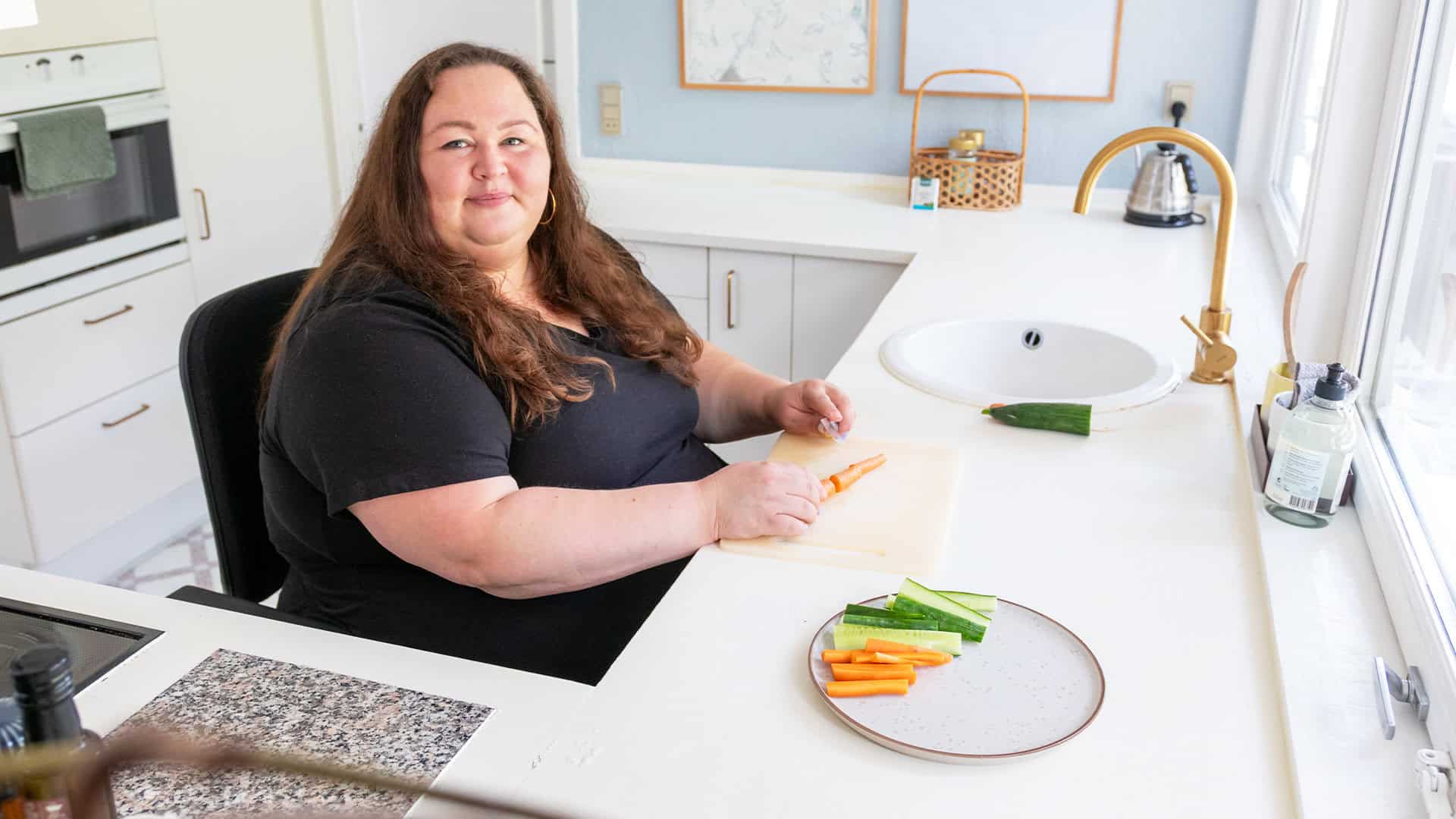
Facing challenges such as staffing shortages and the need for improved resident safety, nursing homes often look toward innovative solutions to support independence among older adults. For those who prefer to remain in their own homes, devices like the VELA chair offer a compelling alternative. The VELA Independence Chair is a medically approved mobility aid designed to provide enhanced safety and freedom of movement while seated. It supports daily activities, from cooking and dressing to transferring, significantly reducing the strain on informal caregivers. Such assistive technology empowers seniors to maintain autonomy and reduces the likelihood of requiring more intensive care settings like nursing homes. For detailed insights into how VELA chairs function in such environments, explore Mobility Solutions for Seniors.
Supporting Aging in Place: A Practical Option
As the landscape of elder care evolves, many seniors seek to enjoy the comforts of home while retaining their independence. VELA Chairs play a transformative role in this scenario by offering crucial features that address common challenges. With central brakes ensuring stability, electric height adjustability for effortless transfers, and ease of movement while seated, these chairs significantly extend the time seniors can live independently. By enhancing safety, energy conservation, and mobility, the VELA Chair creates a conducive environment where daily tasks like cooking and cleaning become manageable without external assistance. Such advanced seating solutions uphold dignity and freedom, allowing older adults to age gracefully in place. While VELA is a tested option, it’s essential to explore various solutions aligning with individual needs to best support aging in place.