

Updated September 2025: We have updated the article with the latest innovations in AI-powered assistive technologies, smart home and telehealth integration, and new rehabilitation practices. The article now reflects recent expert and user trends, advances in ergonomic device design, and updated clinical guidelines for elderly care facilities.
Salmon Brook Nursing Home: An In-Depth Analysis and Quality Review
Salmon Brook Nursing Home, located in the picturesque town of Glastonbury, CT, serves as a crucial healthcare provider within the region’s senior care landscape. Owned by the Mirlis Children Trust, this chronic and convalescent nursing home is integral to the elderly community’s well-being. However, potential residents and their families should note that Salmon Brook has been rated an overall grade of D, with an occupancy rate of approximately 75% and several identified health deficiencies. According to Medicare.gov, understanding these metrics is essential for making an informed decision.
Overview of Salmon Brook Rehab and Nursing
Nestled at 72 Salmon Brook Drive, Salmon Brook Rehab and Nursing is operated by a for-profit Limited Liability Company. The center includes 130 certified beds, providing an array of services for its 97 average daily residents, underscoring its pivotal role in senior care within Glastonbury. According to the Connecticut Department of Social Services, Salmon Brook offers long-term care for chronic conditions and short-term convalescent care, tailored to meet a diversity of medical and rehabilitation needs.
Quality Ratings and Performance Metrics
Evaluating a nursing home requires examining quality assessments and performance metrics critically. Salmon Brook presents a below-average nurse staffing level of 3.56 hours per resident per day, as opposed to Connecticut’s average of 3.8 hours, indicating room for improvement, as highlighted by ProPublica Nursing Home Inspect. On a positive note, the facility’s nurse turnover rate of 31.0% is favorable compared to the state average of 39.2%. Despite the improvement in staffing stability, Salmon Brook ranks fourth in the region for health deficiencies, such as issues with resident care planning and providing appropriate pressure ulcer care.
Resident Experience and Family Feedback
The lived experiences of residents and their families at Salmon Brook reveal a blend of positive and negative feedback. Common themes from these reviews often mention concerns about staffing adequacy and responsiveness to resident needs. Nevertheless, several testimonials praise the dedication and commitment of the caregiving staff. This mixed feedback is corroborated by reviews found on Caring.com, providing a complex, but honest, picture of the facility’s environment.
Facility Amenities and Services
Salmon Brook’s amenities include various room types and accommodations, contributing to a comfortable and homely atmosphere for its residents. The center also features a broad range of activities and programs designed to invigorate daily life, promoting social interaction and physical activity (CT.gov Medicaid Nursing Home Reimbursement). These offerings are crucial for enhancing the residents’ quality of life, allowing them to engage meaningfully with their environment.
Recent advances in assistive technology and rehabilitation support are increasingly being adopted in senior care settings. Innovations such as AI-powered mobility aids, including smart wheelchairs and wearable exoskeletons, provide personalized mobility, real-time health monitoring, and enhanced safety with features like collision avoidance and fall detection. These systems adapt dynamically to individual needs, improving resident autonomy and reducing the burden on caregivers256. Many facilities, including those similar to Salmon Brook, are beginning to integrate smart home technologies, such as voice-activated assistants, automated lighting, remote security, and telehealth platforms. These smart systems support routine health monitoring, medication reminders, and help reduce fall risks while enabling virtual healthcare access134. The shift toward ergonomic and inclusive rehabilitation environments now places further emphasis on personalized, person-centered care and the adoption of wellness-focused, sensory-friendly settings that enhance comfort and lifestyle quality4.
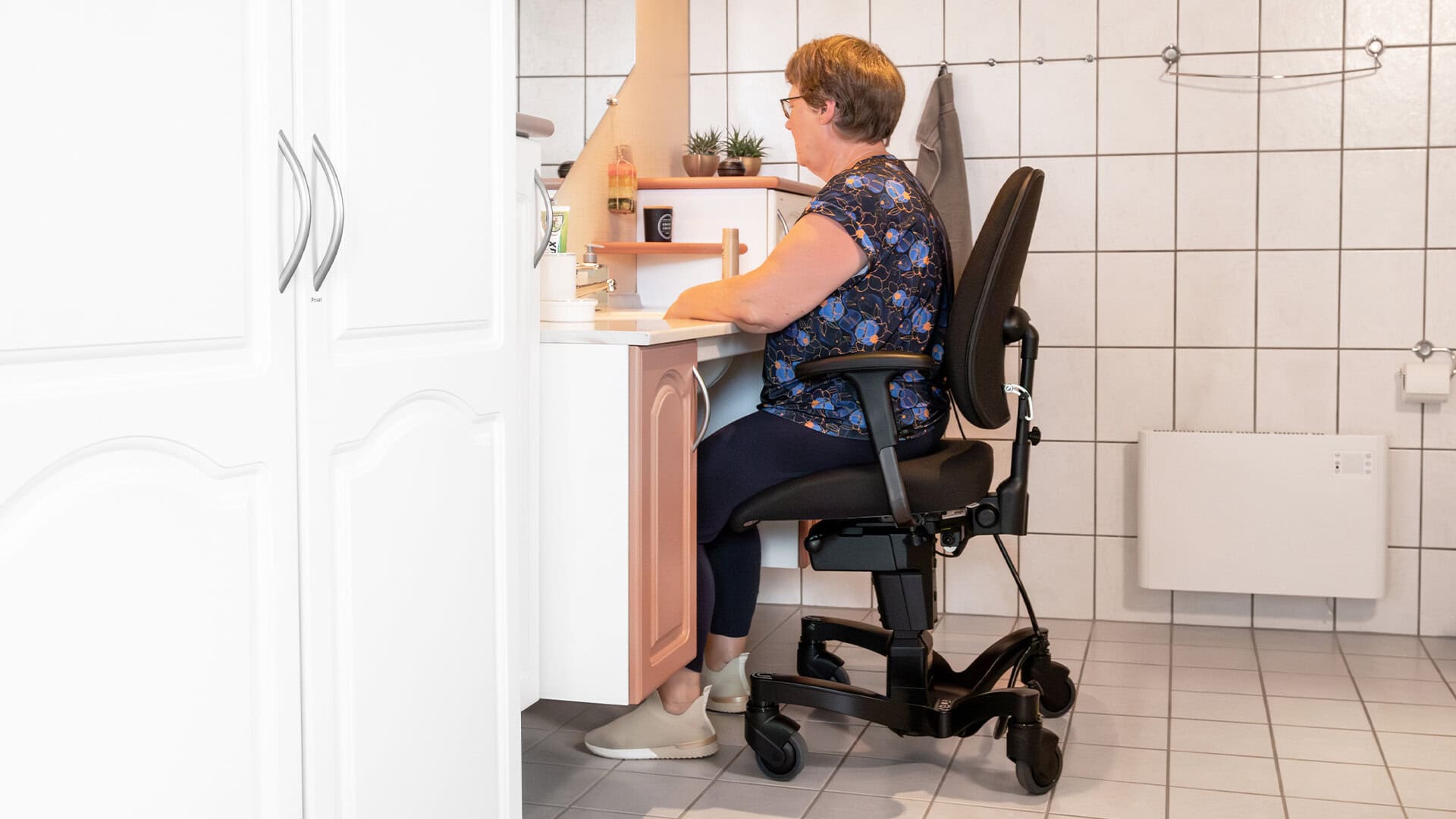
Through the challenges highlighted regarding nursing home care, it’s evident that while such facilities provide essential services, fostering independence at home can significantly enhance quality of life for older adults. Solutions such as the VELA Independence Chair offer a practical means to support autonomy. This medically endorsed mobility chair is specifically designed for home use, focusing on safety, freedom of movement while seated, and assistance with daily activities like cooking, dressing, and transferring. Moreover, by mitigating the reliance on informal caregivers, it allows older adults to manage their daily routines with increased confidence.
Supporting Aging in Place: A Practical Option
In exploring alternatives to traditional nursing homes, the VELA Independence Chair emerges as a viable solution, aiding seniors in maintaining independence at home longer. With features like a central brake enhancing safety, electric height adjustability, and ease of movement while seated, this chair addresses safety and mobility concerns. For example, supportive chairs for elderly independence are designed to prevent falls and make daily activities more accessible, offering a dignified and energy-saving option for aging comfortably in place. While not the sole solution, VELA chairs exemplify practical innovations promoting dignity, freedom, and reduced caregiver burdens, delaying the need for nursing home environments. AI-powered assistive devices, telehealth-enabled care coordination, and ergonomic designs are contributing to rising adoption rates and improved outcomes across eldercare settings67. Current protocols highlight the need for ethical considerations, digital literacy support, and training for both caregivers and users to fully realize these benefits5.
References
- Heisinger Bluffs, “The Future of Senior Living: Trends to Watch in 2025.”
- Everything Medical Online, “The Latest Trends in Mobility Aid Technology for 2025.”
- UnitedHealthcare Community & State, “How enabling technology is transforming home-based care.”
- Juniper Communities, “Senior Living Trends in 2025.”
- NCBI, “Integrating AI and Assistive Technologies in Healthcare.”
- Meyland-Smith Nursing Home News, “2025 Nursing Home Trends: Key Challenges and Innovations.”
- Assistive Technology Industry Association, “Assistive Technology Outcomes and Benefits, Volume 19, Spring 2025.”