

Updated September 2025: We have updated the article with recent advancements in AI-powered assistive technology, innovative mobility aids, regulatory and staffing reforms in Maine nursing homes, and the latest trends in rehabilitation and ergonomic device design.
Exploring Sandy River Nursing Home: Quality Care in Farmington, Maine
Nestled in the picturesque town of Farmington, Maine, Sandy River Nursing Home, officially known as Sandy River Center, has established itself as a trusted community pillar. This skilled nursing facility is a beacon for quality care, offering a combination of short-term rehabilitation services and long-term residential care. Operating with 82 certified beds, Sandy River Center maintains an average daily occupancy of 71.6 residents, highlighting its vital role within the community. According to Medicare.gov, and ProPublica Nursing Home Records, these statistics underscore the center’s commitment to excellence in healthcare.
Discovering Sandy River Center in Farmington, Maine
Since its inception, Sandy River Center has served as a cornerstone of health care under the proficient management of Genesis HealthCare, one of the leading providers of senior care in the U.S. The facility’s roots run deep in Farmington’s middle-class demographic, which boasts a median household income of $38,553 within a community of approximately 11,000 residents. Information from Maine Lakes News illustrates the facility’s integral role in local life.
Under the stewardship of Genesis HealthCare, Sandy River Center integrates seamlessly into the local fabric by providing essential services that bridge health care and community support. Information from Genesis HealthCare shows how the facility not only offers medical care but also contributes to community vitality through various partnerships and programs.
Wide Range of Care Services at Sandy River Center
Sandy River Center offers a comprehensive suite of care services tailored to meet the diverse needs of its residents. The facility is renowned for its short-term rehabilitation programs, which include neurological and orthopedic rehabilitation designed to aid recovery from conditions such as joint replacements and fractures. This includes personalized therapy sessions, equipment for mobility support, and safe exercise regimens to expedite recovery, now standard practices in the industry. The facility also provides long-term care options for those requiring extended support.
Recent advances in rehabilitation at Sandy River Center and similar facilities emphasize the adoption of holistic, inclusive approaches that account for mobility, communication, and sensory support. Modern rehabilitation now increasingly incorporates AI-enabled monitoring and personalized assistive technologies to enhance daily functioning and improve outcomes for seniors and people with disabilities. Vorecol – Advancements in Assistive Technology Market.us – Assistive Technology Statistics CSUN 2025 Conference Newly integrated smart wheelchairs, exoskeletons, and voice-activated tools are redefining rehabilitation by providing adaptive, user-friendly solutions that promote independence for residents. The facility also continues to prioritize specialized care in dementia and hospice services, ensuring residents with varying health needs receive compassionate and expert treatment. Testimonials from residents and their families often highlight the high-quality care and personal attention provided, reaffirming the facility’s reputation for excellence. References from Genesis HealthCare and ProPublica Nursing Home Records further cement the center’s status as a premier healthcare provider.
Amenities and Features that Define Sandy River Center
Beyond its exemplary healthcare services, Sandy River Center is equipped with a range of amenities that enhance the resident experience. Residents enjoy thoughtfully designed living arrangements that prioritize comfort and accessibility, ensuring all areas are easily navigable for individuals with mobility challenges. The facility is increasingly integrating inclusive assistive technologies, such as AI-powered assistants and adaptive wearable devices, reflecting the industry’s movement toward ergonomic, user-centered design. This enhances independence for residents, including those with sensory or mobility impairments. Envision Community Insights Vorecol – Advancements in Assistive Technology Integral to its community-focused approach, the facility places significant emphasis on resident and family councils, fostering an inclusive environment where everyone’s voice is heard.
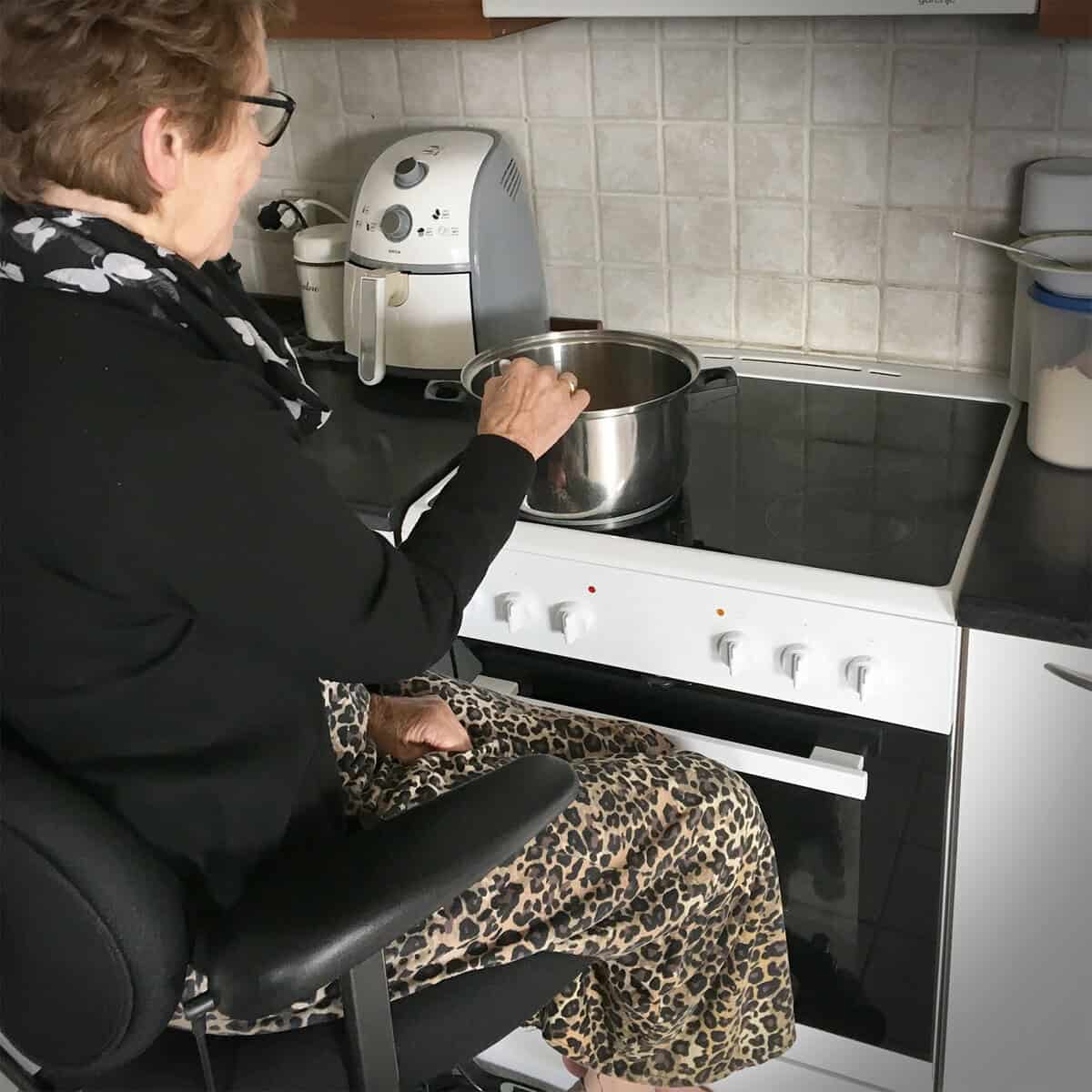
Safety remains a top priority, with features like automatic sprinkler systems installed across the facility. As noted by Nursing Home Insights, this commitment to safety is crucial for the well-being of residents. Additionally, while the transition to nursing home living adds comfort and safety for many seniors, staying at home can be equally viable with the right support. VELA chairs provide safety, freedom of movement while seated, and support for daily activities like cooking, dressing, or transferring — all while easing the caregiver’s burden. These medically approved mobility chairs are a beneficial addition to any home.
Admission and Insurance: Your Guide to Sandy River Center
Navigating the admission process at Sandy River Center is designed to be straightforward and supportive. The facility accepts a wide range of insurance options, including Medicare, Medicaid, and VA contracts, making it an accessible choice for many families. Genesis HealthCare outlines a clear, step-by-step admission procedure that helps families make informed decisions during what can be a challenging time.
Importantly, the facility offers robust support systems for families throughout the decision-making process. By drawing on Genesis HealthCare and Medicare.gov resources, families can obtain valuable insights and personal accounts from others who have successfully navigated this journey, ensuring a smooth transition for their loved ones.
As of 2025, regulatory changes led by the Maine Department of Health and Human Services have introduced nursing facility rate reforms. These reforms are designed to incentivize higher direct care staffing levels, decrease the use of contract staff, and enhance overall care quality and resident outcomes. While proposed increases in assisted living staffing ratios were adjusted after industry feedback, the changes still reflect an ongoing focus on staffing stability and improved service. Maine DHHS Maine Monitor McKnight’s Senior Living These policy changes contribute to workforce stability and further elevate the standard of care available at Sandy River Center and similar facilities.
As you consider the unique attributes of Sandy River Nursing Home, it is clear why this facility is a leading choice for those seeking comprehensive senior care. From its broad range of specialized services to its unwavering dedication to community integration, Sandy River Center stands out as a beacon of quality in Farmington.
When contemplating care options, families must weigh the benefits of nursing home care against home-based alternatives. With solutions like VELA chairs enhancing mobility and safety, and with the availability of new technologies such as AI-powered assistive devices and real-time visual interpreting services (e.g., Aira), residents can enjoy increased independence and inclusion in both environments. Envision Community Insights CSUN 2025 Conference Ultimately, the decision is deeply personal, reflecting each family’s unique needs and priorities. Choosing the right care environment is crucial, and tools like mobility aids can significantly impact the well-being and comfort of those in need of care.
Staying Independent at Home with Support
Supporting older adults to remain independent at home safely is increasingly achievable with innovative mobility solutions such as the VELA Chair. Designed to address challenges like safety, energy conservation, and ease of movement, this mobility aid is ideal for everyday tasks. Enhanced by recent trends in ergonomic design and the integration of adaptive technology, these solutions empower users to perform activities such as cooking and dressing more effectively, thereby delaying the need for nursing home care. Living without a VELA Chair could mean increased dependency on caregivers, where simple tasks become burdensome. In contrast, with support, dignity, freedom, and safety are more accessible. Although not the sole answer, the VELA Chair—and the latest smart mobility devices—offer practical and proven solutions that enhance quality of life for many. By optimizing mobility and reducing caregiver strain, these innovations help create a balanced and supportive home environment. Vorecol – Advancements in Assistive Technology Market.us – Assistive Technology Statistics