

Updated January 2026: We have updated the article to reflect the latest trends in skilled nursing and assistive technology for 2026, including the rapid adoption of AI-driven monitoring tools for fall prevention and mobility support, integration of intuitive wearables and smart home systems, and important regulatory changes such as the repeal of federal minimum staffing mandates and updates to CMS Five Star ratings. The content now highlights how innovative technologies and predictive analytics are shaping care at Scarlet Oaks and similar facilities.
Exploring Scarlet Oaks: A Premier Nursing Facility in Cincinnati
Scarlet Oaks Nursing and Rehabilitation Center is a distinguished institution in Cincinnati, Ohio, prominently nestled in the culturally rich neighborhood of Clifton. This facility exemplifies a strong commitment to quality care and community cohesion—a hallmark of an outstanding nursing facility. According to Medicare.gov, Scarlet Oaks is lauded for its staffing excellence and comprehensive care programs, essential elements for ensuring peace of mind and trust among families.
Warm, inviting, and integral to Clifton’s community
Situated at the heart of Cincinnati’s diverse Clifton area, Scarlet Oaks is more than just a living facility. It is a vibrant part of its community, merging local cultural aspects into daily operations to create a familial atmosphere. With 70 certified beds and an occupancy rate averaging around 90%, the nursing home promotes an intimate community feeling. As reported by Seniorly, the diverse cultural amenities and neighborhood inclusiveness enhance the residential experience.
Residents and their families often commend the individual care and attention provided. One family member insightfully shared, “Scarlet Oaks is not just a nursing home; it’s a home where we feel part of a larger family.” This sentiment underscores the facility’s emphasis on nurturing personal connections. However, recent feedback from caregivers and staff in early 2025 notes notable concerns, including issues with pest infestations, dissatisfaction with food quality, and administrative responsiveness.[3] These experiences suggest areas for ongoing attention and improvement to maintain a positive residential environment.
Emphasizing quality: Staffing and care ratings
For potential residents and their families, metrics such as staffing levels and quality of care play a pivotal role in evaluating nursing homes. Scarlet Oaks boasts an impressive 4.42 nurse staffing hours per resident per day, significantly exceeding Ohio’s state average of 3.7 hours, as highlighted by ProPublica Nursing Home Inspect. Adequate staffing is vital for ensuring safety and providing customized care, directly impacting positive health outcomes and daily resident satisfaction.
While the nurse turnover rate is 68.6%, higher than the state average of 51.7%, the facility’s ability to uphold its quality care standards exemplifies resilience. This attribute speaks to the robustness of their care protocols and organizational commitment to maintaining high standards under challenging circumstances. It is important to note that, as of December 2025, federal minimum staffing mandates that were previously introduced have been repealed, returning to requirements for eight hours of registered nurse coverage daily instead of 24/7 mandates.[4] However, updated CMS Five Star ratings released in mid-2025 now reflect these regulatory changes and also incorporate the latest survey results and antipsychotic use data to provide families with a transparent and modern quality profile of facilities.[1]
Additionally, nursing homes like Scarlet Oaks continue to report on key resident safety indicators such as incidents involving falls, pressure ulcers, and dehydration, consistent with ongoing regulatory oversight.[6];[11]
Beyond basic care: Innovative services and amenities
Scarlet Oaks offers a variety of services, including assisted living, memory care, and short-term rehabilitation. Such a range allows for tailored care solutions to meet diverse resident needs. The facility takes pride in its extensive amenities and engagement programs designed to keep residents active and fulfilled. Activities like movie nights, music sessions, and wellness programs are integral to fostering a lively and engaging community atmosphere.
Transportation services and community outings promote strong social connections and independence. For elderly residents facing the typical challenges of aging, including restricted mobility and vulnerability to falls, innovative solutions are essential. Adhering to the latest Centers for Medicare & Medicaid Services (CMS) guidance, Scarlet Oaks and similar facilities are expected to incorporate up-to-date assessment language for self-care and mobility assistance, enhancing how resident needs are identified and addressed.[2]
With the advent of AI-driven monitoring tools and remote predictive analytics in 2026, Scarlet Oaks has joined a sector-wide movement toward the adoption of real-time monitoring technology for mobility and fall prevention. Integration of intuitive wearables, in-room sensors, smart home devices, and voice-assistants now plays a pivotal role in early detection of gait changes, falls, and health deterioration, supporting better outcomes and reducing preventable hospitalizations.[1] Adaptive equipment like VELA chairs and other mobility aids increasingly feature sensor integration, providing enhanced safety and freedom of movement while relieving the burden on caregivers. VELA chairs are medically approved, helping residents undertake daily activities with greater autonomy and supporting ongoing rehabilitation and safety programs tailored through predictive AI.[1]
According to A Place For Mom, the diverse programming at Scarlet Oaks is central to creating an enriching and dynamic lifestyle for its residents.
Navigating nursing home options in Cincinnati: A cost and care guide
Selecting the right nursing home can be overwhelming, yet informed decisions are possible through comprehensive cost and care assessments. Scarlet Oaks offers competitive pricing consistent with regional averages, providing transparency for families. Assisted living costs range from $4,500 to $5,000 per month, while nursing home care in a private room ranges from $8,000 to $9,000, according to Medicare.gov.
As of January 2025, Scarlet Oaks and all nursing facilities are required to electronically report respiratory infection data—including COVID-19, influenza, and RSV—through the CDC’s National Healthcare Safety Network, utilizing a streamlined reporting form to reduce administrative burden while maintaining resident safety.[4] This expanded infection surveillance is now standard practice and is a reflection of policy evolution emphasizing broader respiratory virus control beyond COVID-19 response.[12] Families can reference these infection control measures when considering facility quality. Accessing detailed reports and personal stories from experienced families can aid in making a well-rounded decision regarding nursing care.
Supporting aging in place: A practical option
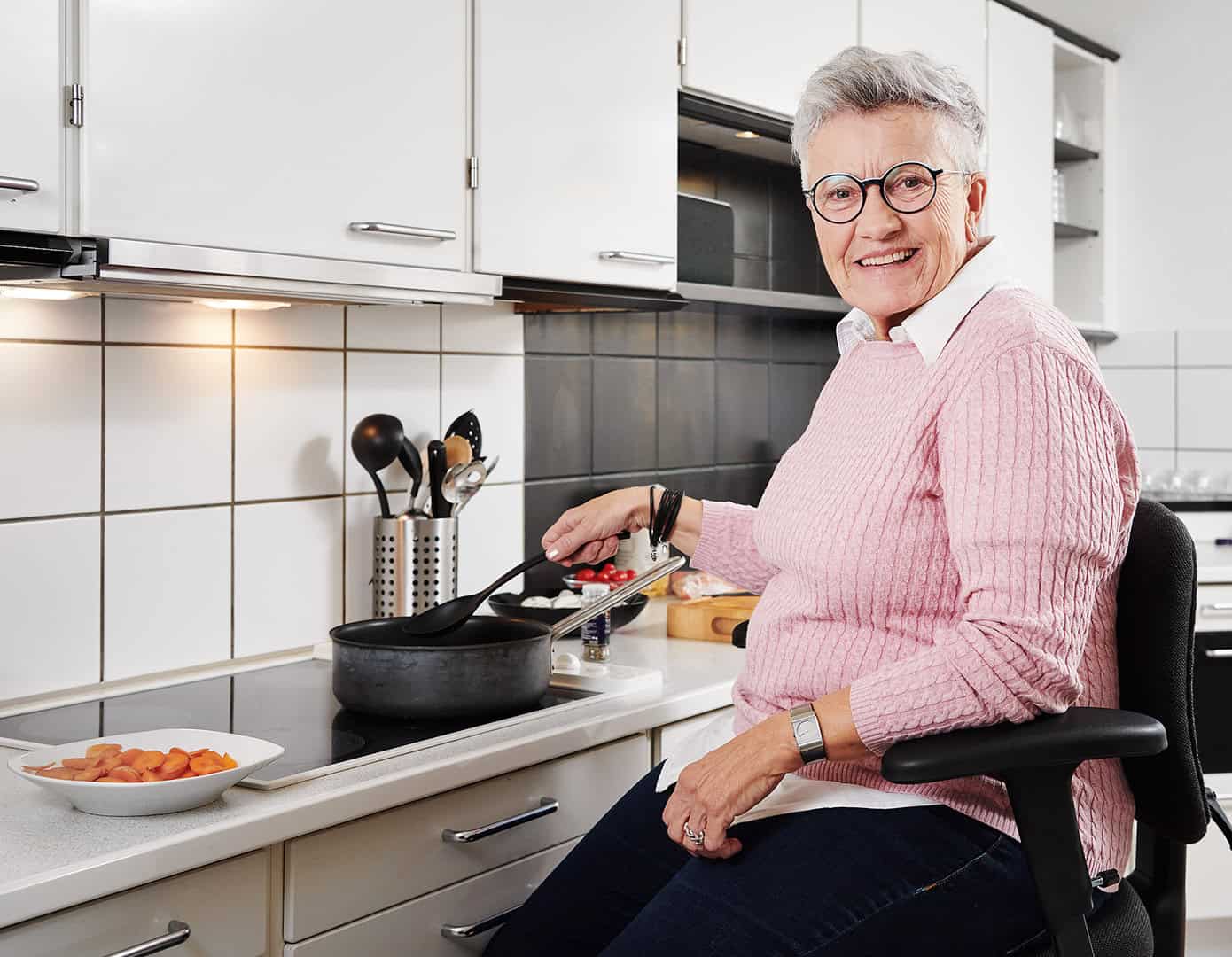
For many seniors, staying independent at home for as long as possible is a cherished goal. Solutions like VELA Chairs can make a significant difference in achieving this aim. These chairs feature a central brake system for enhanced safety, electric height adjustability for easier transfers, and allow for free movement while seated. By supporting daily life activities such as cooking, cleaning, and relaxing, VELA Chairs help elderly individuals conserve energy and maintain their dignity and autonomy. This practical mobility solution can reduce the need for early transition to a nursing home, lessening the burden on caregivers while ensuring freedom and safety in one’s own residence. The 2026 trend toward advanced assistive technology and smart home solutions—such as predictive fall detection, wearable monitoring, and AI-driven analytics—supports broad adoption of such innovations to enable aging in place and proactive health management.[1] Although not the only option, VELA Chairs offer a proven, practical solution for supporting aging in place. For more information on how mobility aids like VELA Chairs contribute to safety, explore Fall Prevention Solutions for Seniors.
Regulatory updates impacting care and resident involvement
With significant updates effective in 2025 and 2026, the Centers for Medicare & Medicaid Services (CMS) have required that nursing homes ensure resident participation in care decisions—particularly regarding psychotropic medication use and reduction of medications used for staff convenience, such as for sedation or to reduce staff effort. Regulatory expectations require individualized treatment approaches and active involvement of residents or their representatives.
CMS regulatory guidance now defines clear standards for nursing services, mandated medical director engagement in quality improvement, transparent incident reporting requirements, and strengthened resident rights—especially regarding involuntary transfers or discharges and timely licensed nurse staffing.[2]; [11]; [13]
Notably, the repeal of federal minimum staffing mandates effective December 2025 means that facilities now follow reinstated RN coverage requirements (eight hours daily, not 24/7), which may impact how staffing is evaluated and reported.[4]; [8] The CMS Five Star Rating methodology for 2026 incorporates recent survey data, antipsychotic medication trends, and reflects updated federal standards for transparency and quality.
These changes reflect an ongoing commitment to person-centered care and reinforce the importance of transparency and ongoing communication among staff, residents, and families. Facilities are also subject to refined compliance and quality standards as published by federal and state agencies.[8][10]
Sources
- Medicare Nursing Home Compare: Scarlet Oaks Nursing and Rehabilitation Center (updated July 2025)
- ProPublica Nursing Home Inspect
- Seniorly
- A Place For Mom
- VELA Chairs – Fall Prevention Solutions
- Caregiver User Feedback on Scarlet Oaks Nursing Home (January 2024 to February 2025)
- Centers for Medicare & Medicaid Services: Nursing Home Surveyor Guidance Revisions, 2024-11-22
- South Carolina Department of Public Health: Nursing Homes Licensing and Staffing Updates, 2024-11-09
- CMS Final Rule on Nursing Home NHSN Reporting Starting January 1, 2025
- CMS Nursing Homes Certification and Compliance Information, updated July 2025
- CMS, Revised Long-Term Care Surveyor Guidance Memo, March 10, 2025
- CMS Summary of Revised Guidance for Nursing Home Surveyors, January 15, 2025
- Maryland Department of Health, Assisted Living Program Regulation Summary, May 20, 2025
- CMS Repeals Minimum Staffing Requirements (American Hospital Association, Dec 2, 2025)
- Top Trends Shaping Skilled Nursing in 2026 (Skilled Nursing News, Jan 2026)
- CMS FY 2026 SNF Prospective Payment System Final Rule (CMS.gov)
- Recent Legislative Updates for Long-Term Care (Reed Smith, post-May 2025)
- HHS Repeals Federal Nursing Home Staffing Mandate (National Association of Counties)