

Updated January 2026: We have updated the article with the latest trends in AI-integrated mobility aids, advancements in smart home technology, and current data on telehealth and aging-in-place solutions for seniors. The update reflects recent industry analyses on accessible device adoption, policy changes supporting independent living, and ongoing challenges in senior care environments.
Embracing Autonomy in “Self Nursing Home” Environments
The evolving landscape of senior care has led to the emergence of the “self nursing home” concept, an innovative blend of self-care practices and traditional nursing home environments. This approach emphasizes the importance of autonomy for seniors, offering them greater control over their care routines in long-term facilities. According to National Institute on Aging, a growing number of seniors are expressing a strong preference for autonomy over conventional care settings, signaling a shift in how aging populations wish to spend their later years. Additionally, advancements in self-care and aging-in-place technologies are fostering these desires, as highlighted by the National Investment Center. Today, the strong desire for aging in place is further supported by mainstream technology adoption, with over 90% of seniors favoring independence made safer through technologies such as voice-activated systems, AI-powered monitoring, and smart home devices.[1]
Understanding Self-Care in Nursing Home Settings
Self-care for elderly populations is about empowering individuals to independently maintain their health and well-being, which is vital for preserving dignity and autonomy. In nursing homes, self-care manifests in personal health management and participation in decision-making processes, allowing residents to have a say in their daily activities and care plans. However, integrating self-care in such environments faces significant barriers, including regulatory restrictions and the need for ensuring safety. According to American Association of Colleges of Nursing, while these challenges exist, many residents thrive under self-care programs, sharing anecdotes of the renewed purpose and control these initiatives bring to their lives.
Practical Example: Consider a nursing home where residents are encouraged to participate in planning their meals based on dietary needs and preferences. They receive guidance from nutritionists but have the autonomy to choose from various options, fostering a sense of independence. Increasingly, technology such as voice-activated controls and AI-powered medication dispensers are being utilized to support these choices and to monitor residents’ wellbeing without reducing their autonomy.[2]
The Difference Between Nursing Homes and Skilled Nursing Facilities
Understanding the distinction between nursing homes and skilled nursing facilities is fundamental to making informed care decisions. According to Hebrew SeniorLife, nursing homes provide long-term residential care for seniors with chronic conditions or limited mobility, focusing on daily living and health maintenance. In contrast, skilled nursing facilities target short-term rehabilitation, emphasizing therapeutic recovery to help residents regain independence. Additionally, coverage under Medicare and Medicaid varies between these facility types, which often influences families’ decisions.
Technical Focus: Skilled nursing facilities typically offer specialized medical attention, including physical and occupational therapy administered by licensed practitioners, striving for rehabilitation outcomes. Across both settings, recent growth in smart health monitoring and AI-driven support tools is expanding care possibilities, improving safety and communication while reducing the burden on clinical staff. The adoption of AI-powered assistive devices, such as smart glasses for navigation and personalized wheelchairs, is enhancing care delivery and making technology more accessible for residents with mobility impairments or disabilities.[3]
Promoting Self-Actualization in Nursing Home Residents
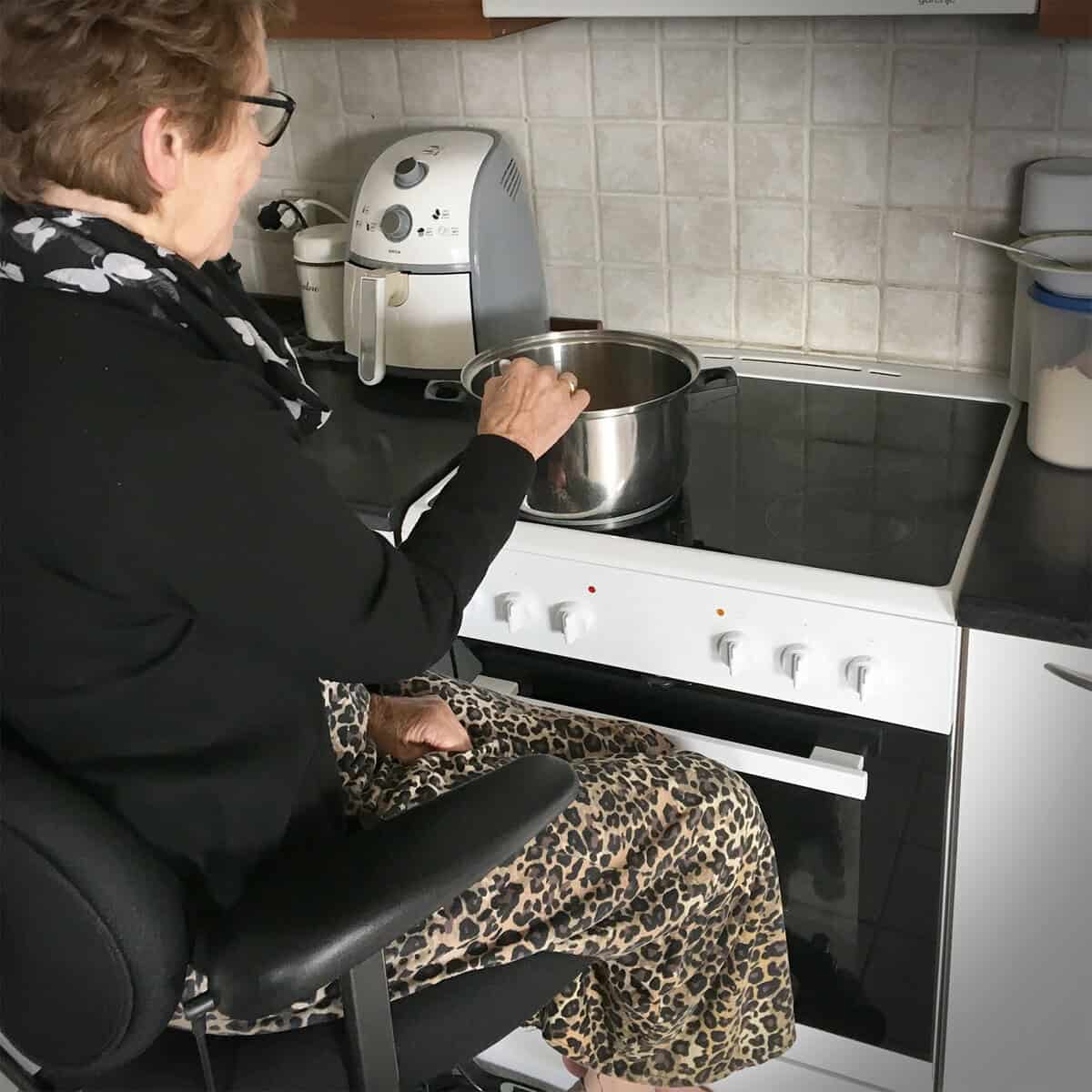
Self-actualization, the realization of one’s potential and abilities, is crucial for enhancing the well-being of nursing home residents. Programs promoting resident autonomy demonstrate significant psychological benefits, including increased self-esteem and reduced depression. In navigating the challenges of fostering autonomy in these settings, innovative solutions such as adaptive technologies and supportive furniture play a critical role. One effective approach is the integration of medically-approved tools that assist in maintaining independence. For instance, VELA offers a specialized mobility chair designed for home use, providing enhanced safety and freedom of movement while seated. This allows older adults to engage in daily activities like cooking, dressing, and transferring, all while reducing the load on informal caregivers. Beyond mobility aids, recent advances such as AI-enhanced smart glasses, sensor-based reminders, and environment monitoring leverage the latest technology to increase both physical and cognitive support for seniors, improving daily life and contributing to emotional well-being. Widespread adoption of voice-activated environmental controls and AI-powered health monitoring systems further empowers residents to maintain independence and participate fully in personalized routines.[6]
Scenario: A resident participates in art classes offered by the facility, choosing the medium and projects that resonate with their personal interests. This opportunity enhances their creativity and provides a fulfilling daily routine. Assisted by tools such as voice-controlled lighting and AI-guided planners, the resident is empowered to focus on personal expression and engagement.
Preventing Self-Neglect in Vulnerable Populations
Preventing self-neglect, where individuals fail to care for themselves due to mental or physical impairments, is a crucial responsibility in nursing homes. Such neglect poses severe health risks and challenges staff to balance supervision with promoting autonomy. The Elder Justice Act emphasizes the importance of active engagement, where timely interventions can significantly improve residents’ quality of life. Recent use of sensor-based alerts, wearable monitors, and remote care platforms helps identify unaddressed needs quickly, allowing staff to intervene quickly and effectively while maintaining residents’ dignity. AI-driven health monitoring and telehealth platforms, increasingly supported by insurance parity laws and policy initiatives, now play a central role in facilitating rapid intervention while enabling residents to retain more control over their daily schedules.[5]
Real-Life Impact: When a resident shows signs of self-neglect, such as not eating properly or lacking personal hygiene, staff trained in legal and ethical intervention protocols engage with the resident to provide support while respecting their autonomy. AI-supported monitoring tools and remote access to healthcare services, increasingly covered under telehealth parity regulations, further facilitate timely care and engagement.[2]
Exploring Alternatives to Nursing Homes
In exploring alternatives to traditional nursing homes, the emphasis is increasingly on aging in place with supportive solutions. Mobility aids like the VELA Chair enhance the capacity of seniors to remain safe and independent within their own homes. With features such as a central brake for stability, electric height adjustability, and seamless movement while seated, these chairs address pivotal issues such as fall prevention, energy conservation, and ease of transfers. By improving safety and ergonomics, VELA Chairs can delay the transition to nursing homes, enabling daily activities like cooking or cleaning to be more comfortably and confidently managed. These practical benefits underscore a commitment to maintaining dignity and freedom — though not the only solution, VELA Chairs represent a proven approach to enhancing life quality for older adults seeking to maintain their independence while reducing caregiver strain. Solutions like this underscore the transformation of senior living environments through innovative tools to help seniors maintain autonomy at home. In addition, the market has recently seen highly affordable and customizable mobility aids, smart home systems, and accessible devices—many now equipped with AI and voice control—making aging in place a reality for more individuals. Recent surveys indicate 94% of seniors wish to remain in their homes, though usability and cost of home modifications continue to present challenges that technology and policy are working to address.[7]
By incorporating such solutions, seniors can better navigate the intricacies of their daily lives, ensuring that their twilight years are filled with dignity, self-sufficiency, and personal satisfaction. Mainstream adoption continues to rise as usability improves, although ease of setup and ongoing support remain important areas for future development. Expanding insurance coverage and supportive policies are accelerating the adoption of accessible devices, smart home modifications, and technology-enabled wellness programs that combine physical, nutritional, and mental health support.[4]