

Updated January 2026: We have updated the article to highlight new developments in in-bed shower systems for nursing homes, including ergonomic, portable designs with digital controls, smart integration, caregiver safety features, and innovations from leading companies using antimicrobial materials. The article now reflects 2026 trends in inclusive assistive technologies, sensor integration, and efficiency improvements.
Understanding In-Bed Shower Solutions for Nursing Homes
With an aging population and the increasing demand for personalized care, the concept of “shower bed for nursing home” has emerged as a significant innovation in enhancing quality care for immobile or bedridden residents. Traditional methods like bed baths often fall short in addressing comprehensive hygiene needs, which can result in discomfort and dignity issues for residents. In contrast, shower bed systems have transformed elder care by providing a full shower experience without moving residents from their beds. According to BedShower.com, advanced systems reduce caregiver time by up to 50% and eliminate 99.999999% of pathogens, offering significant improvements in infection control and overall resident well-being. Recent advancements reflect a shift toward holistic well-being tools that include sensory shower simulations, adaptive water temperature control, and integrated design features aimed at reducing stress and improving physical comfort, as demonstrated by CRANACH’s wellness-centric technologies introduced in 2025 CRANACH. Recent 2026 innovations such as the LIOMAR Wishower and SwitleBODY further increase in-bed shower safety and efficiency with ergonomic, portable units, digital temperature controls, and vacuum suction for a clean, no-mess bathing experience Liomar Medical; SwitleBODY Portable Shower System.
Benefits of Shower Beds for Nursing Home Residents
Shower beds provide a dignified and comfortable experience that traditional baths can’t match. The psychological and emotional benefits are profound, transforming bathing into a therapeutic experience. Residents often report feeling refreshed and revitalized, which can markedly improve their morale. According to I Advance Senior Care, turning an uncomfortable task into a pleasurable routine greatly enhances life quality for nursing home residents. Moreover, the advanced hygiene and infection control measures, as discussed by Liomar Medical, prevent skin breakdowns and other health complications, emphasizing the impact of proper hygiene on physical health. Modern portable shower bed models, such as SwitleBODY and LIOMAR Wishower, offer features like easy mobility for bedsides, digital controls delivering adjustable warm water (100°F–113°F), and vacuum suction to quickly remove water and avoid spills. These ergonomic designs not only address physical cleanliness but also support emotional and cognitive wellness by lowering anxiety and providing consistent comfort SwitleBODY Portable Shower System.
Operational Advantages for Nursing Home Staff
From a staff perspective, shower beds significantly streamline operations. By reducing physical strain and optimizing workflows, these systems lessen the burden on caregivers. According to Rehabmart, the ergonomic benefits minimize the risk of caregiver injuries, aiding in consistent, high-quality care delivery. Nursing home administrators report improved staff allocation with saved time, allowing caregivers to focus more on interaction and patient care beyond hygiene routines. Next-generation shower beds and support systems incorporate smart features, such as sensor-driven safety alarms and modular, lightweight frames for easier positioning and less physical handling. Companies like Arjo and Invacare are at the forefront of adopting antimicrobial materials and infection-control technologies Key Companies in In-Bed Shower Systems. Height-adjustable ergonomic platforms such as those in the ROPOX Shower/Changing Bed help promote ideal staff positioning, further reducing the risk of musculoskeletal injuries among caregivers ROPOX Shower/Changing Bed. These improvements align with 2026 durable medical equipment trends, including interconnected beds for vital monitoring and automatic repositioning for pressure ulcer prevention Top Durable Medical Equipment Innovations for Senior Mobility in 2026; Top Innovations in Durable Medical Equipment for Seniors in 2026.
Safety Considerations for Shower Bed Implementation
Implementing shower beds in nursing homes requires careful attention to safety and training. Proper instructional programs ensure staff can use the systems effectively, minimizing risks. Infection control protocols are crucial, as outlined by Spring Mill Senior Living, requiring adaptations like environmental modifications to integrate smoothly into existing layouts. Facilities with comprehensive training programs report smooth transitions and successful use of shower beds, emphasizing the importance of structured implementation. The latest shower beds support safety further through features like temperature sensors, no-mess vacuum drainage, and intuitive touchscreen controls to reduce both patient anxiety and staff error SwitleBODY Portable Shower System. In addition, recent regulatory and legislative updates—including ongoing Medicare and Medicaid payment system revisions and state-level reforms refining definitions of activities of daily living such as bathing—may influence the clinical standards and funding eligibility for assistive technologies in nursing homes Federal Register; Minnesota Legislature.
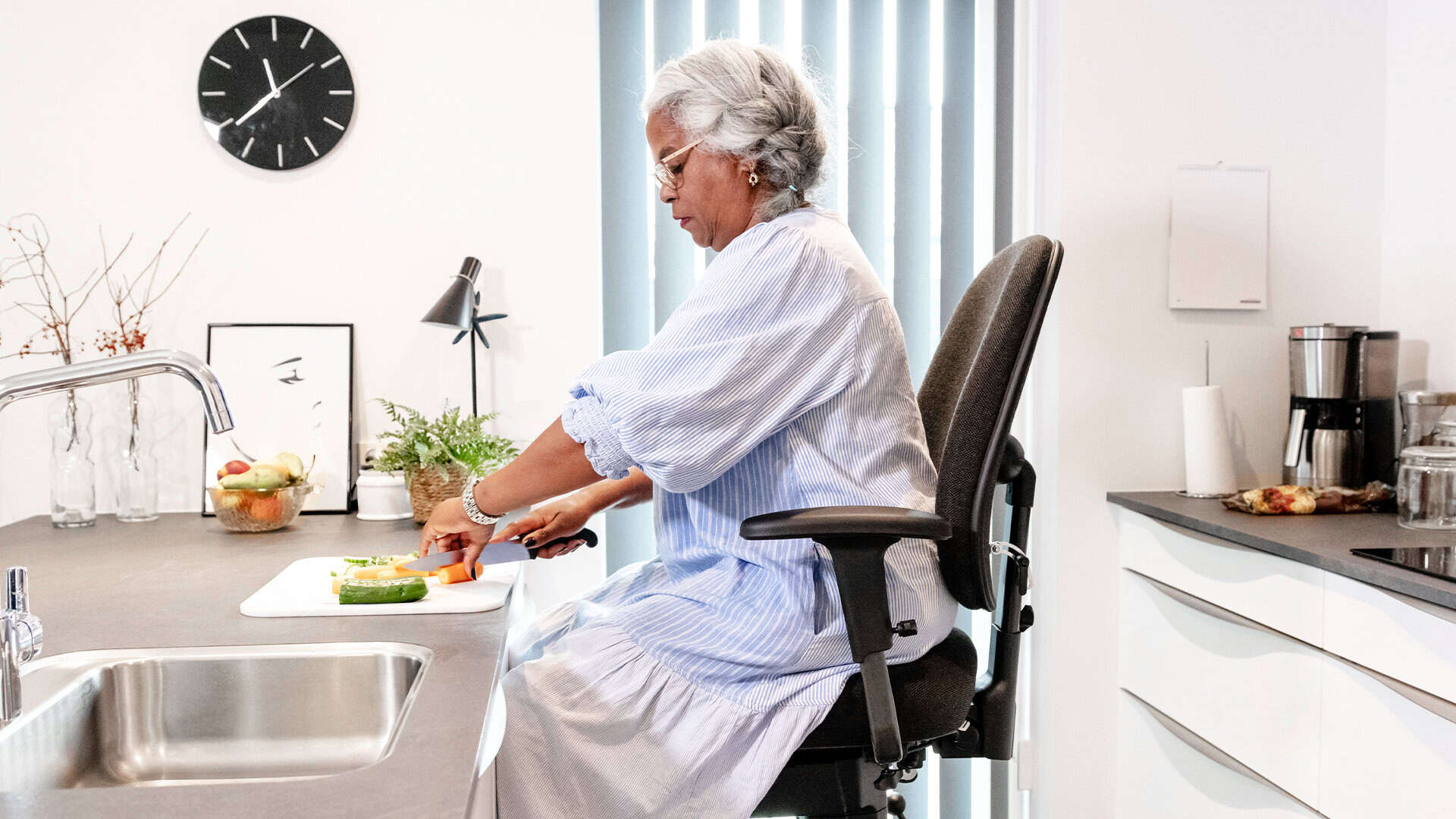
In the ongoing quest to improve elder care, the challenges faced by nursing homes—such as ensuring safety and minimizing physical strain on both residents and caregivers—present a clear call to explore solutions that enhance independence and comfort at home. One such promising solution is the VELA Independence Chair, a medically approved mobility chair designed for home use. The VELA chair offers enhanced safety and freedom of movement while seated, supporting daily activities such as cooking, dressing, or transferring. By reducing the load on informal caregivers, VELA not only supports seniors in maintaining their independence but also enhances life quality by mitigating some of the very challenges present in institutional settings.
Exploring Alternatives to Nursing Homes
For those looking to maintain independence at home, supportive seating solutions for seniors like the VELA Chair provide substantial help. With features such as a central brake for stability, electric height adjustability for ease in reaching and standing, and smooth movement while seated, these chairs offer practical solutions to everyday challenges. They enhance safety and save energy, improving the quality of life for seniors by delaying the need for a nursing home. The VELA Chair supports daily activities, whether cooking in the kitchen or relaxing in the living room, ensuring dignity, freedom, and comfort remain at the forefront of aging in place. While it represents just one of several solutions, VELA is a proven aid, facilitating long-term independence and offering a glimpse into a future where staying at home is viable for more seniors.