

Updated January 2026: We have updated the article to reflect major events at Silver Lake Nursing Home (now Bristol Health & Rehab Center), including the December 2025 explosion and fire resulting in resident deaths and injuries due to an unaddressed gas leak. The update covers recent lawsuits, regulatory shifts such as the rescission of minimum staffing standards, and CMS quality ratings changes, while urging families to verify current safety records and preparedness at any facility. No new advances in assistive technology or rehabilitation practices were identified in the latest research.
Silver Lake Nursing Home: A Comprehensive Evaluation
When exploring care options for aging loved ones, families prioritize comprehensive assessments of potential facilities. Silver Lake Nursing Homes, including Silver Lake Healthcare Center in Bristol, Pennsylvania (recently renamed Bristol Health & Rehab Center), and Silver Lake Specialized Rehab and Care Center in Staten Island, New York, are well-known in this sector. Notably, Silver Lake Healthcare Center is a “Special Focus Facility Candidate” with a 1 out of 5-star rating from Medicare, a crucial consideration for those evaluating senior care options Medicare. Families should be aware that in December 2025, the Bristol facility suffered a deadly explosion and fire caused by an unaddressed gas leak, resulting in multiple fatalities and injuries. This incident, linked to lapses in emergency planning and prior citation history, has prompted lawsuits and significant regulatory attention.[3]
Overview of Silver Lake Nursing Facilities
Silver Lake operates two pivotal locations: one in Bristol, Pennsylvania, and the other in Staten Island, New York. These facilities are integral to their communities, offering necessary care services. The ownership structure significantly influences operations. Silver Lake Healthcare Center, now known as Bristol Health & Rehab Center, is operated by Communicare Health via an entity known as Tower Leasing Co., LLC, which has been under scrutiny for its impact on care quality ProPublica. In December 2025, Bristol Health & Rehab Center faced a catastrophic gas explosion, leading to at least three resident deaths and several injuries. Investigations revealed the gas leak was not fully addressed despite prior reports, and evacuation and emergency response plans were insufficient.[3]
Frequent management changes can affect these facilities’ capacity to enhance care standards, as demonstrated in quality assurance reports. These dynamic ownership and management arrangements require continuous monitoring and transparency, especially when there is clear room for improvement. The December 2025 tragedy and related lawsuits against facility operators and the gas utility underscore the risks of insufficient oversight in both facility operations and emergency preparedness.[3]
Quality of Care Assessment
The quality of care at these facilities provides valuable insights. The Silver Lake Healthcare Center’s low Medicare rating results from several factors, particularly staffing shortcomings and documented deficiencies. According to Senior Justice Law Firm, the facility offers only 3.58 nurse hours per resident per day, which falls below the state average. This staffing deficiency directly affects resident care quality, causing nurses to manage overwhelming workloads. Moreover, documentation from the Pennsylvania Department of Health shows 28 health citations in a year, significantly higher than the state average of 8.5.
Regulatory standards for care quality have shifted substantially since late 2025. In December 2025, federal authorities rescinded the minimum nurse staffing standards—previously requiring 3.48 hours per resident per day and 24/7 registered nurse coverage—for long-term care facilities. This rollback may affect future staffing levels and direct care practices at facilities nationwide. In addition, CMS updated its Nursing Home Care Compare quality ratings in July and October 2025. These updates include using only the two most recent surveys to calculate ratings, integrating data on antipsychotic medication use for residents, and extending Medicare revalidation deadlines to January 2026.[4] [11] Facilities like those formerly known as Silver Lake may no longer be required to maintain previous staffing minimums, potentially impacting care standards. All families are urged to verify a facility’s current safety record, quality rating, and compliance with emergency preparedness standards.
Past federal requirements raised the bar for quality of care in nursing homes with increased oversight of staff compliance, enhanced accountability, and the expectation of rehabilitation tailored to individual needs via MDS Section GG. Facilities with high-acuity and ventilator units remain under pressure to use safe, advanced, and inclusive approaches—yet recent events at Silver Lake/Bristol highlight the continuing importance of transparency and stringent oversight.[6] [7]
Resident Experience and Family Feedback
For those considering these facilities, understanding resident and family feedback remains vital. Reviews on Caring.com depict varied experiences. Positive remarks often mention the compassionate nature of some staff members and dedicated rehabilitation efforts at the Staten Island location. However, criticisms focus on chronic understaffing, delayed responses, and safety concerns—all of which can deeply affect residents’ well-being. Reports from the December 2025 incident highlight resident and staff accounts of inadequate evacuation plans and slow response times, amplifying long-standing concerns about both daily care and emergency preparedness.[3]
Personal testimonials illustrate life in these settings. Family members frequently mention the lack of consistent, quality personal interactions, often due to staff being burdened with heavy workloads. A resident might, for example, have to wait extended periods for assistance with mobility or personal care, impacting their daily experience and potentially their safety in emergency situations.
In line with ongoing CMS guidance, nursing homes must obtain explicit resident consent before initiating or increasing psychotropic medications, and the inappropriate use of sedating medications for staff convenience remains prohibited.[8] Families are encouraged to regularly monitor official surveys and reports for current quality and compliance data, as ratings and safety standards can change, especially after major incidents or ownership transitions.
Alternatives to Silver Lake Nursing Homes
Given the history of substandard care, high citation rates, and the recent catastrophic event at Bristol Health & Rehab Center, it is prudent for families to explore alternative senior care options. Several highly rated facilities in Bristol, PA, and Staten Island, NY, may offer a more reliable and safer care environment. Additionally, opting for home care solutions continues to be a viable way to provide a personalized, secure, and familiar setting for seniors.
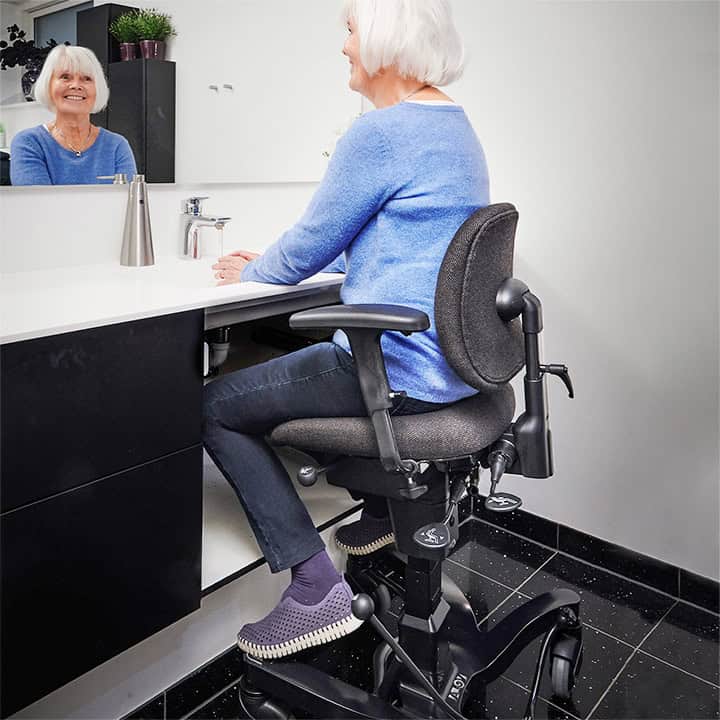
Many families are keenly interested in supporting older adults’ independence at home, given well-documented risks and regulatory uncertainty in the nursing home sector. A beneficial approach includes using mobility solutions like VELA chairs. VELA chairs are medically approved mobility devices designed specifically for home use, providing enhanced safety, freedom of movement while seated, and support for daily activities such as cooking, dressing, or transferring. These chairs foster greater independence and can greatly reduce the pressure on informal caregivers, making them a compelling alternative to facility-based nursing home care. No new studies or trends regarding assistive technology or rehabilitative practices were identified in the latest review; families should consult reputable sources for ongoing advancements in these areas.
Making an Informed Decision
When deciding on care options, families must carefully weigh the latest safety and regulatory data for facilities like Silver Lake/Bristol Health & Rehab Center, compare it with state and federal inspection records, and remain alert to ongoing changes in staffing requirements and facility ratings. Personalized solutions such as home care with VELA chairs may be increasingly attractive, especially for those wishing to avoid known facility safety and quality risks. Decisions should reflect the specific needs and preferences of each senior individual.
Supporting Aging in Place: A Practical Option
For seniors wishing to stay at home, mobility solutions like VELA chairs continue to provide notable benefits. These chairs address concerns such as safety and ease of movement, supporting aging in place and helping delay or avoid the transition to nursing home care. Features such as a central brake system and electric height adjustability promote both independence and security during daily activities. The energy-saving and safety features of VELA chairs encourage activity and reduce reliance on caregivers, which can help families navigate the challenges of long-term care under evolving regulatory and safety conditions. While VELA is not the only solution, it is a highly regarded and practical choice for families and seniors prioritizing freedom and dignity at home.
References:
- Medicare.gov – Nursing Home Ratings
- ProPublica – Nursing Home Practice History
- Senior Justice Law Firm – Nursing Home Negligence Investigations
- Pennsylvania Department of Health – Nursing Home Inspections
- Caring.com – Senior Living Reviews
- Sandberg Phoenix – CMS Final Rule Summary
- Hall Render – CMS Guidance Update
- PALTMed – Appendix PP Revisions
- Silver Lake Specialized Care Center
- NTSB Investigative Summary on Silver Lake Nursing Home Explosion
- CMS Memo QSO-25-NH: Updates to Nursing Home Care Compare and Five-Star Ratings
- Federal Register: Repeal of Minimum Staffing Standards for Long-Term Care Facilities
- Center for Medicare Advocacy: CMS Rescinds Nursing Home Nurse Staffing Rule
- Medicare Rights Center: CMS Rescinds Nursing Home Staffing Requirements