

Updated January 2026: We have updated the article with the latest findings on AI-powered and smart assistive technology trends shaping care for seniors and veterans, including smart mobility aids, predictive monitoring, GUIDE dementia care, and advanced digital health integration. The revision highlights recent innovations adopted in skilled nursing, such as AI wearables, terrain-adaptive wheelchairs, and caregiver support tools that enhance safety, quality of life, and independence.
About Clifford Chester Sims State Veterans’ Nursing Home
The Clifford Chester Sims State Veterans’ Nursing Home, located in Panama City, Florida, is a respected, state-operated facility dedicated to delivering skilled nursing care tailored specifically for veterans. As a 120-bed institution established in 2003, it functions as a crucial resource for military service members, equipped with state-of-the-art facilities and comprehensive care offerings. According to the Florida Department of Veterans’ Affairs, the facility is named in honor of Staff Sergeant Clifford Chester Sims, a Medal of Honor recipient from Florida, reinforcing its commitment to honor and care for veterans. With modern amenities and a dedicated team, the home aims to provide the highest quality of life and medical care for its residents. It’s designed to address the medical needs of veterans while fostering a community that respects their service and sacrifices.
Care Services and Medical Support
The Sims Nursing Home excels in providing a wide array of care services with a focus on skilled nursing capabilities. The facility maintains 24-hour staffing composed of registered nurses, licensed practical nurses, and certified nursing assistants, ensuring the delivery of high-quality care at all times, which is vital for attending to residents’ medical and daily living needs. The importance of continuous staffing cannot be overstated, as it plays a critical role in the well-being and safety of the residents. According to reports from the Centers for Medicare & Medicaid Services, the facility consistently upholds high standards in care provision.
In addition to skilled nursing, the home offers an array of therapy services, such as physical, occupational, and speech therapy. These services are integral to maintaining and improving the residents’ physical health and independence. For instance, physical therapists work with residents to enhance their mobility and prevent falls, a task especially crucial for those recovering from surgeries or dealing with chronic conditions.
Admission Process for Veterans
Admission to the Sims Nursing Home is governed by specific eligibility criteria which include service-related requirements and a demonstrated medical necessity, as outlined in the facility’s admission guidelines. The application process is straightforward, necessitating the submission of documentation that verifies a veteran’s service history and medical status. Financial considerations are also a key aspect of admission, with the facility providing various funding and support options to assist veterans with care costs. These may include benefits through the Department of Veterans Affairs and other financial assistance programs, as highlighted by the Florida Department of Veterans’ Affairs.
Current Trends in Skilled Nursing Facilities (2026)
Entering 2026, skilled nursing facilities such as Sims Nursing Home are experiencing a rapid evolution in care delivery driven by new technology and a shift toward high-acuity resident care. An increasing demand for skilled nursing beds, particularly for veterans with complex needs, persists as the population ages. Regulatory changes in Medicare and Medicaid continue to shape financial stability, while persistent workforce shortages drive innovation in care and operations. Notably, telehealth-enabled care and remote monitoring are now mainstream, supporting proactive responses to changes in residents’ health and reducing unnecessary hospitalizations Skilled Nursing News, 2026 AANP, 2026 Provider Magazine, 2026.
Innovation in assistive technologies and care delivery
Recent years have brought transformative advancements in assistive technology for veterans and older adults. Facilities like Sims Nursing Home are integrating AI-powered smart mobility aids (including fall-detecting canes and GPS-tracking walkers), exoskeletons for mobility and rehabilitation, and terrain-adaptive powered wheelchairs. Predictive AI platforms now continuously assess gait, detect pressure ulcer risks, and monitor for early signs of infection, enabling staff to intervene sooner and often treat residents in place AllSeniors.org, 2026 Skilled Nursing News, 2026 AANP, 2026 Provider Magazine, 2026.
Wearables—now routinely used in skilled nursing—continuously record vitals and movement, supporting early detection of health changes. Voice-activated beds, sensor-equipped grab bars, and noninvasive room sensors increase safety and provide real-time alerts for both staff and families. The GUIDE model for dementia care, introduced in 2024, continues expanding across the sector, supporting personalized routines, mood tracking, and reduction of social isolation for residents with cognitive needs Skilled Nursing News, 2026.
Despite these advances, broader AI adoption in nursing homes remains behind the healthcare sector average (4.5% vs. 8.3%). Barriers include cost, training, digital literacy, and privacy. Active efforts are underway to overcome these gaps by prioritizing staff and resident education and refining regulations around new digital health modalities Skilled Nursing News, 2026.
Quality of Life for Residents
Enhancing residents’ quality of life is a paramount objective at the Clifford Chester Sims State Veterans’ Nursing Home. The facility endeavors to create a warm, community-oriented atmosphere where residents feel a sense of belonging and engagement. This approach is supported through various activities and social events tailored to the interests and needs of residents. Additionally, family involvement is actively encouraged, with the facility viewing family visits as vital to the residents’ mental and emotional well-being, fostering an environment where veterans feel appreciated and deeply connected to the community.
New AI-powered solutions such as personalized digital activity plans, sensor-based safety platforms, and social interaction tools help boost independence and reduce loneliness. Hospital-at-home technology—enabling IV therapy and wound care on-site—reduces transfers and supports continuity for high-acuity residents. Smart communications systems allow families to receive real-time wellness updates and engage actively in care, meeting the rising consumer expectation for transparency and upscale, technology-enabled environments Provider Magazine, 2026 AllSeniors.org, 2026 AANP, 2026.
Reducing Caregiver Burden Through Smart Seating
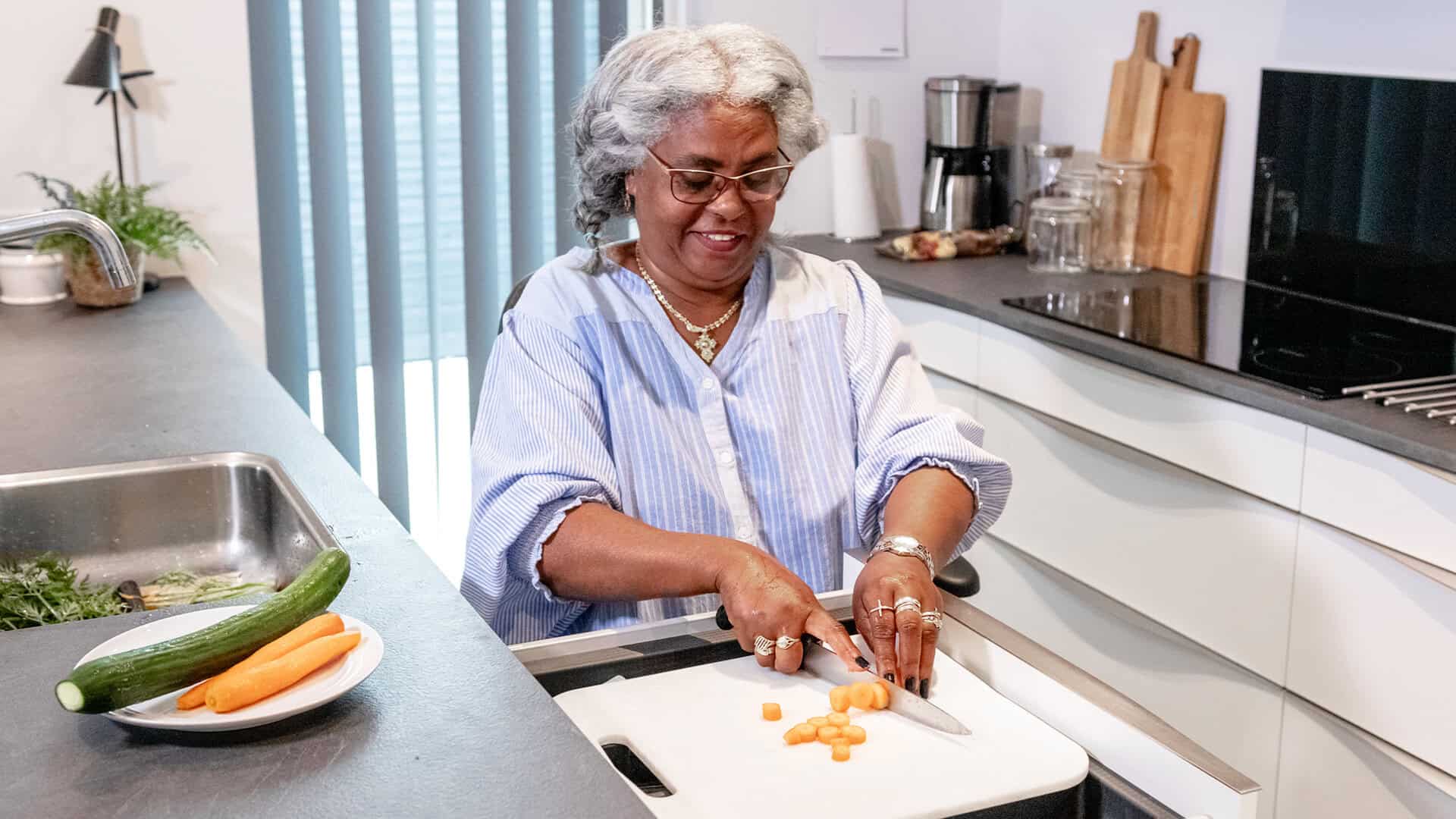
Recognizing challenges such as maintaining independence in later years and the high demands on care facilities, innovations like the VELA Independence Chair for Enhanced Mobility present a valuable alternative for those desiring to remain in their own homes. This medically approved mobility chair addresses significant challenges by providing enhanced safety with its central brake system, freedom of movement while seated, and support for daily activities like cooking and dressing. These features not only bolster individual independence but also reduce the workload on family members and informal caregivers, proving beneficial both in residential settings and potential preventive measures before entering comprehensive care facilities like nursing homes.
While there are many solutions available, the practical design of VELA Chairs offers a proven, effective method to maintain a higher quality of life and reduce the caregiving burden associated with senior care.
References
- Florida Department of Veterans’ Affairs
- Centers for Medicare & Medicaid Services
- National Investment Center for Seniors Housing & Care
- ACPlus Industry Analysis
- SynchronyFL, The Future of Home Health Care: Trends to Watch in 2025
- ButterflyMX, Senior Living Technology Trends 2025
- HBRHC, The Future of Senior Living: Trends to Watch in 2025
- Everything Medical Online, The Latest Trends in Mobility Aid Technology for 2025
- UHC Community and State, How enabling technology is transforming home-based care
- NextMSC, Disabled and Elderly Assistive Device Market 2025–2030
- PMC (NIH), Integrating AI and Assistive Technologies in Healthcare
- AllSeniors.org, Top Durable Medical Equipment Trends for Aging Seniors in 2026
- Skilled Nursing News, Top Trends That Will Shape the Skilled Nursing Sector in 2026
- AANP, Top Five Health Care Trends for 2026
- Provider Magazine, Long Term Care 2026 Trends and Outlook