

Updated January 2026: No new field-wide research or regulatory changes were available for this update. The article remains current as of the latest facility-level Medicare data from January 2026, which reflects Sippican Healthcare Center’s most recent quality and operational status.
Updated September 2025: We have updated the article to include the completed transition of Sippican Healthcare Center’s ownership to Atlas Healthcare Group, the adoption of advanced AI-driven assistive and rehabilitation technologies such as robotics and virtual reality, new CMS and state regulations emphasizing staffing ratios and technology integration for safer, higher quality care, and recent data on nurse staffing and safety initiatives.
Sippican Nursing Home: A Beacon of Care in Marion, Massachusetts
Nestled in the charming town of Marion, Massachusetts, the Sippican Healthcare Center stands as a beacon of comprehensive elderly care. Known for its commitment to providing high-quality nursing services and specialized care programs, this facility boasts an impressive nurse-to-resident ratio of 4.08 hours per day, well above the state average of 3.8 hours. According to Medicare.gov, this ensures a higher standard of personalized attention for its residents. With 123 licensed beds, Sippican ensures comfort and specialized attention for its residents, as underscored by authoritative sources such as Medicare.gov and the Massachusetts Senior Care Association.
Exploring the Legacy and Future of Sippican Healthcare Center
The Sippican Healthcare Center isn’t just a nursing facility; it’s a community staple with a rich history of providing empathetic care. Strategically located near serene natural trails and accessible via Highway 6, the facility offers both tranquility and convenience for residents who enjoy nature walks and easy access to family visits. As of March 2025, ownership of Sippican Healthcare Center officially transitioned from Whittier Health Network to Atlas Healthcare Group, a New Jersey-based operator now overseeing several Massachusetts nursing homes. This new ownership brings a fresh approach to operational policies, with a clear focus on service quality and the integration of new technologies. While no changes to bed capacity or core services have been announced, Atlas Healthcare Group’s management is expected to further advance the facility’s standards, driving improvements aligned with evolving industry trends. This transition, documented by the public ownership notice and recent media coverage, reflects an industry-wide shift toward innovative, evidence-based care models.
Comprehensive Care and Specialized Services at Sippican
At the heart of Sippican’s robust care services is a commitment to delivering personalized medical attention. From 24-hour nursing and medication management to complex subacute care, the facility assures residents receive comprehensive support. According to the Massachusetts Senior Care Association, the specialized care units are equipped to cater to unique needs, such as those of bariatric and multiple sclerosis patients. A myriad of therapy programs—physical, occupational, and speech—complements the medical care, facilitating holistic resident health. Residents often engage in rehabilitation programs aimed at restoring mobility and functionality, crucial for those recovering from surgeries or managing chronic conditions. The facility also prides itself on nutrition and dietary services to promote optimal health, as highlighted by the Massachusetts Senior Care Association.
Recent clinical rehabilitation advances at Sippican reflect broader trends in technology integration. The center now employs robotics for mobility support and AI-driven monitoring systems to enhance both therapy and resident safety. Sensor-embedded furniture and smart assistive devices are used to prevent falls and provide ergonomic comfort. Virtual reality (VR) platforms are increasingly being adopted for both cognitive and physical therapy, offering immersive exercises and stimulation tailored to individual needs. Sippican also provides wearable exoskeletons for select residents with reduced mobility to supplement traditional therapies, advancing functional independence and recovery outcomes in line with the latest rehabilitation standards.
Sippican’s Commitment to Quality of Life and Resident Wellbeing
Sippican Healthcare Center goes beyond basic care, fostering an environment conducive to happiness and vitality. Its physical landscape features lush gardens and well-maintained walking paths, perfect for outdoor activities that soothe the spirit and encourage physical exercise. The arts room, game room, and wellness center provide residents with daily recreation and social activities like movie nights and arts programs, promoting mental stimulation and interpersonal connections. A resident’s day might include participating in group art therapy, designed to enhance creativity and emotional expression. Staff highlight how technology integration has enhanced independence: residents use video conferencing to connect with family and digital platforms to join community events and activities.
The facility has embraced the use of advanced, AI-driven mobility aids, including smart walkers and ergonomic wheelchairs with real-time safety monitoring and highly adjustable features to maximize comfort and autonomy. Adaptable exoskeletons and updated wearable assistive technologies help reduce fall risks and promote safe daily movement. These innovations are integrated into electronic health records, further improving response times and safety outcomes. Ergonomic, pressure-relief seating and transfer aids made of lightweight materials are now standard, contributing to lower injury risk for both residents and staff. Comprehensive staff training in the use of these devices ensures their effective and responsive deployment, while multilingual support technologies provide clear communication for residents speaking languages such as Portuguese and Spanish.
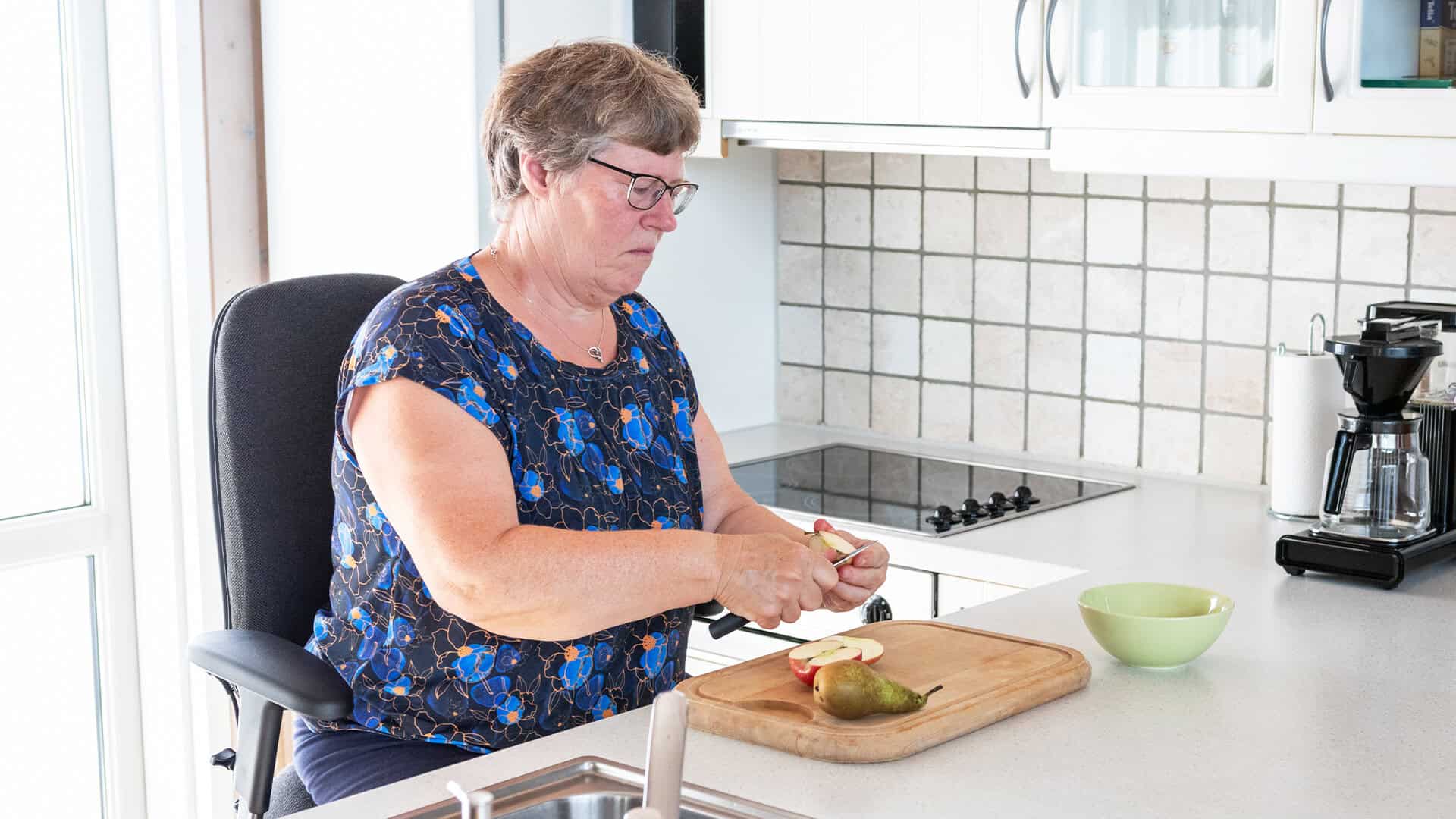
In addressing the delicate balance between care within nursing homes and the aspiration for independence at home, innovative solutions can bridge this gap for older adults. Enhancing one’s autonomy without compromising on safety is a pressing concern that specialized seating like the VELA Independence Chair addresses. As a medically approved mobility chair tailored for home use, it provides enhanced safety and supports everyday activities like cooking or dressing, significantly reducing the load on informal caregivers. The chair’s design facilitates freedom of movement while seated, assisting older adults to maintain a level of functionality akin to that in well-equipped nursing facilities such as Sippican. Exploring supportive seating solutions for seniors like VELA is an example of harnessing innovative approaches to foster independence.
Navigating Financial Options and Admission at Sippican Healthcare
Understanding the financial considerations of nursing home care is crucial for prospective residents and their families. Sippican Healthcare Center accepts a broad range of payment options, including self-pay plans and insurance, as well as Medicare and Medicaid. According to the Center for Health Information and Analysis (CHIA) Massachusetts, financial transparency is a priority, with detailed resources available to help families make informed decisions. The admission process is structured to ensure smooth transitions, complete with clear requirements and a well-managed waitlist, ensuring no detail is overlooked in the journey to quality care.
Following regulatory updates in 2025, facilities like Sippican are required to adopt certified assistive technologies that improve mobility, safety, and resident outcomes. Higher minimum nurse staffing hours, now strictly enforced by CMS and state health departments, position Sippican ahead of requirements, with current reported figures of 4.08 nursing hours per resident per day. Regulatory compliance, public reporting of nursing staff turnover, and systematic fall prevention programs are now central quality indicators, supported and monitored via technology platforms. These measures contribute to facility excellence and uphold a strong, person-centered care approach.
How Mobility Solutions Like VELA Make a Difference
Mobility solutions such as the VELA Independence Chair can empower seniors to remain independent in their own homes longer, delaying the need for nursing home care. This chair tackles common problems faced at home, like ensuring safety and ease of movement, thanks to features such as a central brake and electric height adjustability. With such supportive seating, seniors experience enhanced freedom during daily activities like cooking or getting dressed, thereby retaining dignity and autonomy. These solutions not only make the home environment safer but also reduce the physical strain on caregivers, promoting a more balanced, energy-saving lifestyle. While VELA is one of many viable options, its practical design and functionality provide a proven pathway to support aging in place effectively.
Sources:
Medicare.gov
Massachusetts Senior Care Association
Center for Health Information and Analysis (CHIA) Massachusetts
Atlas Healthcare Group Ownership Public Notice
Skilled Nursing News (March 2025)
ProPublica – Sippican Staffing and Quality Measures (July 2025)
Medicare Nursing Home Compare data (September 2025)
CMS and Massachusetts Department of Public Health Regulatory Updates (2025)
Peer-reviewed literature on AI, robotics, and VR in elderly care and rehabilitation (2025)
Health policy white papers, 2025: Trends in quality improvement and assistive technology adoption in nursing homes