

Updated January 2026: We have updated the article with new findings on AI-driven assistive mobility technologies such as smart power wheelchairs, fall-detecting walkers, Bluetooth-enabled scooters, and sensor-equipped bathroom aids, as well as emerging trends in telehealth integration and voice-activated controls that are enhancing autonomy and safety in both skilled nursing and nursing home settings.
Skilled Nursing vs Nursing Home: Navigating the Differences
When contemplating long-term care options for yourself or a family member, understanding the distinctions between skilled nursing facilities (SNFs) and nursing homes is crucial. According to Centers for Medicare & Medicaid Services (CMS), Medicare payments to SNFs increased by 4.2% for fiscal year 2025, underscoring the pivotal role these facilities play in healthcare. But how do these two options differ, and how can you decide which is best for your needs?
Understanding the Fundamental Differences Between SNFs and Nursing Homes
Skilled nursing facilities and nursing homes serve distinct purposes. SNFs provide short-term, intensive medical care and rehabilitation services for patients recovering from illness, injury, or surgery. They are characterized by their focus on medical attention, offering services such as physical, occupational, and speech therapy, along with round-the-clock nursing care. According to UnitedHealthcare Medicare, SNFs are ideal for those requiring recovery and rehabilitation, offering a medical-centric approach that distinguishes them from traditional nursing homes.
In contrast, nursing homes cater to individuals who require assistance with daily activities over an extended period. These facilities offer long-term residential care, focusing more on custodial services rather than intensive medical treatment. As stated by OakBend Medical Center, nursing homes prioritize a supportive environment for those who cannot live independently.
Level of Medical Care and Staffing Requirements
SNFs are equipped to handle complex medical needs with a team of healthcare professionals, including registered nurses, therapists, and physicians who oversee patient health. In these environments, the objective is often rehabilitation aimed at returning patients to their homes or another less medically intensive setting. According to A Place for Mom, staffing in SNFs is usually more specialized, allowing for a more focused approach to rehabilitation.
Recent advances have transformed both SNFs and nursing homes with AI-enhanced assistive technology and smart mobility aids. Facilities are integrating smart power wheelchairs that use obstacle avoidance, adaptive speed control, and GPS navigation to promote independent movement and safety. Smart walkers and rollators equipped with fall detection and GPS are supporting residents with balance challenges, while mobility scooters now feature Bluetooth connectivity for remote monitoring and peace of mind for both users and caregivers. Adaptive canes with biometric data capture add new dimensions to safety and rehabilitation tracking. Innovations such as attachable wheelchair propulsion systems (e.g., WheelMove), AI services for identifying accessible mobility points in transport (MaaS-Bridge), and sensor-based environmental monitoring systems (SEERU) are launching or expanding throughout 2026 AllSeniors.org Mobility Management AbilityMT.org.
Moreover, SNFs generally boast smaller nurse-to-patient ratios, facilitating personalized care plans tailored to individual patient recovery goals. This difference in staffing not only ensures high-quality care but also influences the overall facility culture and patient experience. According to Caitlin Morgan Insurance, SNFs often offer more amenities and larger rooms, providing a more comforting environment conducive to recovery.
Innovations in Rehabilitation Therapy and Assistive Devices
Today, rehabilitation therapy within skilled nursing facilities and nursing homes is increasingly driven by technology-enhanced, personalized approaches. AI-supported therapies now include systems that dynamically adjust therapy plans to track patient progress and adapt interventions to individual abilities. Telehealth integration allows for remote monitoring of mobility, which can be especially important for chronic conditions or residents with cognitive or physical limitations. Voice-activated controls and add-on safety modules, such as LUCI for power wheelchairs, help those with dexterity issues or advanced rehabilitation needs regain autonomy and safety, reducing dependence on staff.
Further, advanced assistive solutions like stair-climbing AI power chairs, sensor-based bathroom safety devices, and smart monitoring tools for fall prevention are adopted widely in both settings to improve safety and reduce the risk of injury. These innovations not only blur the boundary between traditional rehabilitation in SNFs and daily living support in nursing homes but also support best practices for inclusive design, helping users stay mobile and connected to their environments AllSeniors.org Mobility Management AbilityMT.org.
These developments are accompanied by growing user acceptance and satisfaction, as smart, AI-driven assistive technologies enable higher levels of autonomy, safety, and social inclusion in both short-term and long-term care environments.
Regulatory Updates and Policy Guidance
From a regulatory and policy perspective, Medicare and Medicaid continue to expand coverage criteria and oversight for skilled nursing facilities, placing increasing emphasis on interdisciplinary care teams. Certification standards are evolving to require the integration of assistive technology and evidence-based, technology-driven therapies as part of patient rehabilitation planning. Trends indicate clinical recommendations are evolving toward AI-assisted independence, with a strong emphasis on remote monitoring, telehealth, and universal access to modern mobility technology AllSeniors.org.
Financial Considerations: Medicare, Medicaid, and Insurance Coverage
Financing long-term care can be complicated, influenced significantly by your choice between a skilled nursing facility and a nursing home. Medicare and Medicaid cover SNFs differently than nursing homes. Medicare typically covers SNF stays for a limited time under specific conditions, primarily post-hospitalization, while coverage for nursing homes is often long-term and custodial, especially through Medicaid.
According to the National Investment Center for Seniors Housing & Care (NIC), understanding these distinctions helps families manage financial expectations and plan accordingly. The recent Medicare payment increases to SNFs may also affect overall costs, potentially raising the price for these services.
How to Choose Between a Skilled Nursing Facility and a Nursing Home
Deciding between these care options involves assessing medical needs, financial situations, and personal preferences. Consider using a framework for decision-making, including factors such as care quality indicators, facility ratings, and your or your loved one’s recovery goals. Mulberry Health suggests evaluating each facility’s proximity to family and friends, staff expertise, and patient testimonials.
To provide clarity, consider this scenario: If a patient like Mrs. Smith has suffered a hip fracture, a skilled nursing facility would be ideal for her immediate post-surgical rehabilitation. However, after achieving maximum rehabilitation potential, if she still requires assistance with activities like bathing and dressing, transitioning to a nursing home could ensure ongoing support in a residential setting.
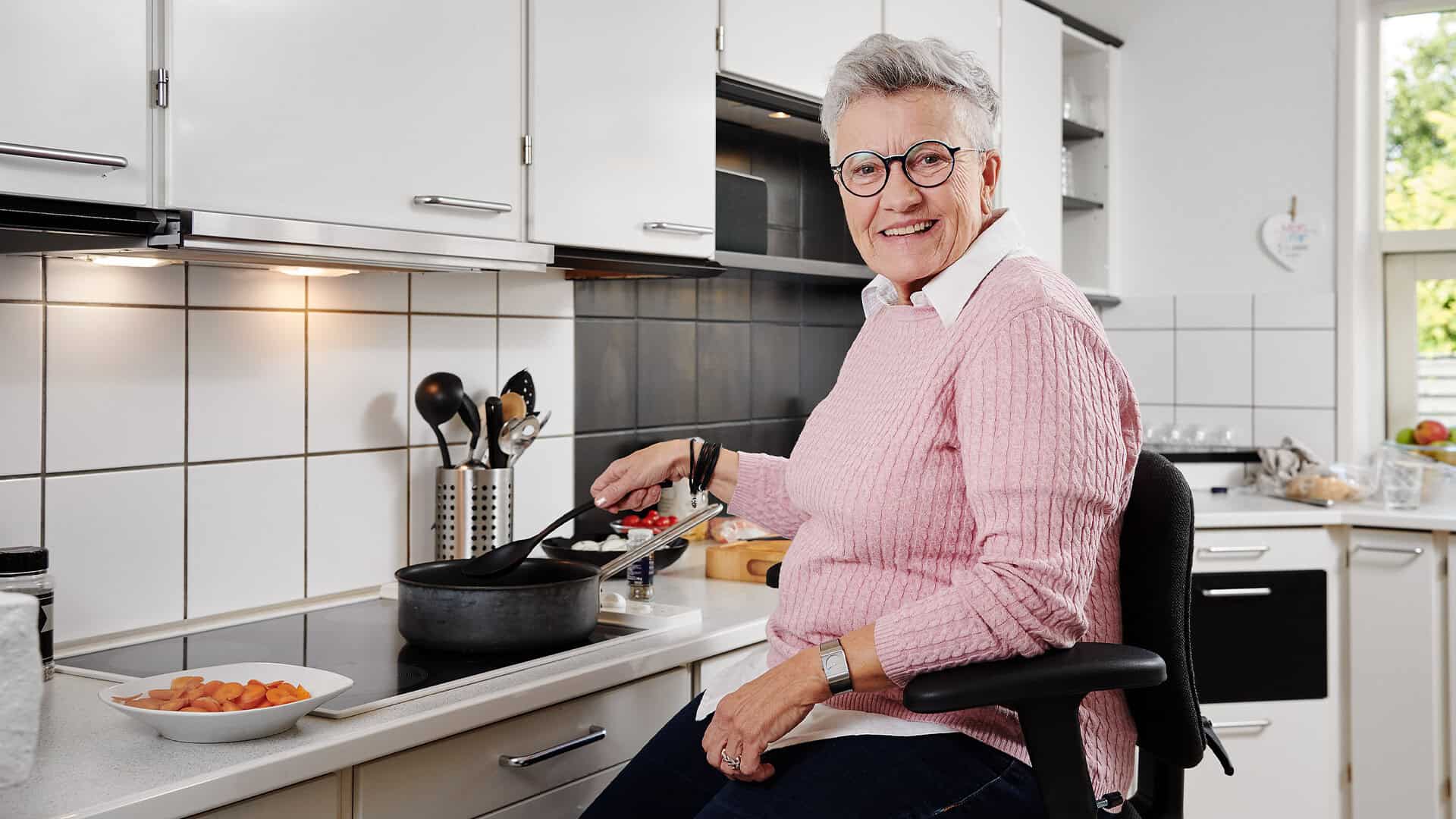
Mobility solutions like the VELA Independence Chair can significantly extend the period older adults remain safely and productively in their homes. By providing features such as a central brake for safe seating, electric height adjustability, and effortless movement while seated, VELA chairs address pressing concerns like safety, energy conservation, and ease of transfers. The presence of such aids can delay the necessity of transitioning to a nursing home by weeks, months, or even longer. Picture an elderly individual confidently engaging in everyday activities like cooking, cleaning, or simply relaxing, secured by a chair that values dignity, freedom, and energy savings. While the VELA chair is not the sole solution, it is a proven, practical choice among mobility aids supporting aging in place initiatives.
Sources
- Centers for Medicare & Medicaid Services (CMS)
- UnitedHealthcare Medicare
- OakBend Medical Center
- A Place for Mom
- Caitlin Morgan Insurance
- National Investment Center for Seniors Housing & Care (NIC)
- Mulberry Health
- AllSeniors.org, “Top Durable Medical Equipment Innovations for Senior Mobility in 2026.”
- Mobility Management, “CES 2026: 4 Assistive Technology Exhibitors to Watch.”
- AbilityMT.org, “Exciting Assistive Technology for People with Disabilities.”
- Carr, Dawn. “Revolutionizing Accessibility: The Latest Innovations in Assistive Technology 2025.” Assistive Tech Journal, Dec 31, 2024.
- “The Best Assistive Tech Gadgets in 2025: Enhancing Independence Through Innovation.” Think Beyond the Chair, Feb 7, 2025.
- “How Assistive Tech Startups Are Shaping the Future of Disability Solutions 2025-2030.” Robobionics, Feb 20, 2025.
- CaringInfo.org, “Skilled Nursing Facilities: What They Are & How to Pay for Care.” Mar 1, 2024.
- Haven Health AZ Blog, “Difference Between a Skilled Nursing Facility & Nursing Home.” May 12, 2025.