

Updated January 2026: We have updated the article with new findings on AI-powered assistive devices, smart home integrations, the latest regulatory changes removing federal staffing minimums for nursing homes, wearable and remote monitoring technologies, and current person-centered care trends that shape modern senior care.
Snow Hill Nursing Home: A Comprehensive Guide
Nestled in the heart of Worcester County, Snow Hill, Maryland, is a charming town that balances historical charm with the needs of its modern population. Among its essential services is the Snow Hill Rehabilitation & Healthcare Center, a prominent choice for nursing home care among the town’s 2,359 residents, approximately 23% of whom are seniors. As families seek options for their elderly loved ones, understanding the local landscape and specific facilities available is crucial.
Demographic Insights and Senior Care Demand in Snow Hill, MD
Snow Hill’s demographic profile reveals crucial trends influencing the demand for senior care. With a median age of 39.2 years and a diverse racial composition—60.9% White, 31.6% Black or African American, 4.05% identifying as two or more races, and 2.8% Asian—Snow Hill mirrors America’s multicultural fabric. Economic factors, like the median household income of $51,667, shape the considerations families must juggle when planning for long-term care. According to Data USA, the substantial senior population highlights the need for robust senior care facilities and related services.
In-Depth Review of Snow Hill Rehabilitation & Healthcare Center
The Snow Hill Rehabilitation & Healthcare Center stands out as a pivotal facility within the region. This Medicare- and Medicaid-certified home features 69 certified beds, with an average of 56 residents daily. Despite its comprehensive offerings in skilled nursing and rehabilitation, it’s essential to factor in its historical performance. For instance, the facility has been issued $3,948 in fines over the past three years, and its nurse staffing ratio of 3.32 hours per resident per day falls short of the state’s average of 3.8 hours (ProPublica). Ownership by the Harrison family trusts, along with a positive atmosphere as corroborated by resident and family testimonials, adds layers of trustworthiness. More detailed data is available through Medicare.gov and ProPublica.
In practical terms, residents at Snow Hill can expect personalized care with an emphasis on rehabilitation therapies aimed at improving quality of life and facilitating as much independence as possible. Common areas are designed to be welcoming and conducive to building a community among residents, which is an essential aspect of the facility’s environment.
Advancements in Assistive Technologies and Smart Environments
Since 2025, considerable developments have transformed assistive technologies for seniors and individuals with reduced mobility. AI-powered assistive devices—including smart walkers, robotic exoskeletons, sensor-equipped grab bars, and adaptive wheelchairs—now offer proactive fall detection, environmental awareness, and predictive alerts. These features, alongside connected wearable monitors for vital signs, enable real-time health tracking and automatic notifications to caregivers, supporting better safety and independence (AANP).
Integration of smart home technologies—such as voice-activated lighting, remote door sensors, and AI-enabled monitoring platforms—has increased in both care environments and private homes, reducing fall risks and supporting daily activities. These systems work in tandem with virtual rehabilitation platforms, using AI analytics and telehealth to customize care plans and therapy, improving outcomes and allowing for remote involvement of care teams (Envision Blog; AANP).
Advances in ergonomic mobility aids and portable oxygen delivery, combined with inclusive designs and personalized device settings, are now central to improving quality of life in nursing facilities like Snow Hill. Sensor-equipped mobility and bathroom safety tech further help reduce fall risk and support everyday independence (Next Market Insights).
Regulatory and Policy Trends Impacting Accessibility
As of February 2026, a significant regulatory change took effect: the federal minimum staffing standards for long-term care facilities were repealed. This removed requirements for 24/7 RN coverage and the previous 3.48 hours of daily direct care per resident. The impact may include increased reliance on technology to sustain care standards, as staffing resources may fluctuate (CMS Federal Register; AARP; Medicare Rights Center).
Meanwhile, policy and regulatory efforts remain focused on improving accessibility and affordability of assistive technologies worldwide. Person-centered care plans, enhanced pain management, and telehealth have become foundational, with inclusivity and respect for resident preferences guiding interventions in both facility-based and at-home care (CANHR).
Patient and Caregiver Perspectives on Technology Adoption
User and caregiver feedback increasingly shows a positive response to seamless, integrated AI assistant solutions over separate assistive applications. The shift toward smart, adaptive technologies reflects a focus on products that learn user preferences, resulting in easier adoption and more intuitive daily support. Both resident safety and caregiver workflows benefit from these improvements, especially as facility staffing levels fluctuate due to recent regulatory changes (Envision Blog; AANP).
Analyzing Costs and Occupancy Trends in Local Nursing Facilities
Navigating the costs of senior care can be daunting. The average monthly cost for nursing home care in Maryland falls between $9,000 and $12,000, a range shaped by Snow Hill’s regional specifics. In comparison, assisted living facilities often provide more economically varied options, with costs ranging from $3,000 to $6,000 monthly (SeniorLiving.org). Worcester County’s nursing facilities, including Snow Hill, experienced fluctuating occupancy rates—65.1% in 2020, 61.2% in 2021, and 64.5% in 2022—indicating available capacity for potential residents (MHCC Report).
Key Considerations for Selecting Senior Living in Snow Hill, MD
Choosing the right senior living option involves considering special programs and levels of care available at facilities like Snow Hill. Beyond standard amenities, involvement in specialized programs or personalized care can significantly enhance a resident’s quality of life. The increasing adoption of AI-driven health monitoring, smart environmental controls, and user-tailored devices can support individualized care planning and respond to the latest person-centered standards. GetStarPro provides useful reviews, while checklists from local experts can aid decision-making.
It’s important to consider both the facility’s strengths and its limitations. While the Snow Hill Rehabilitation & Healthcare Center delivers a range of healthcare services, potential residents and their families should take into account staff-to-resident ratios, the state of the facility’s infrastructure during visits, technology integrations—such as AI-powered safety tech and virtual rehabilitation—that support care or safety, and direct communication with current residents and staff to get a comprehensive view of day-to-day life in the facility.
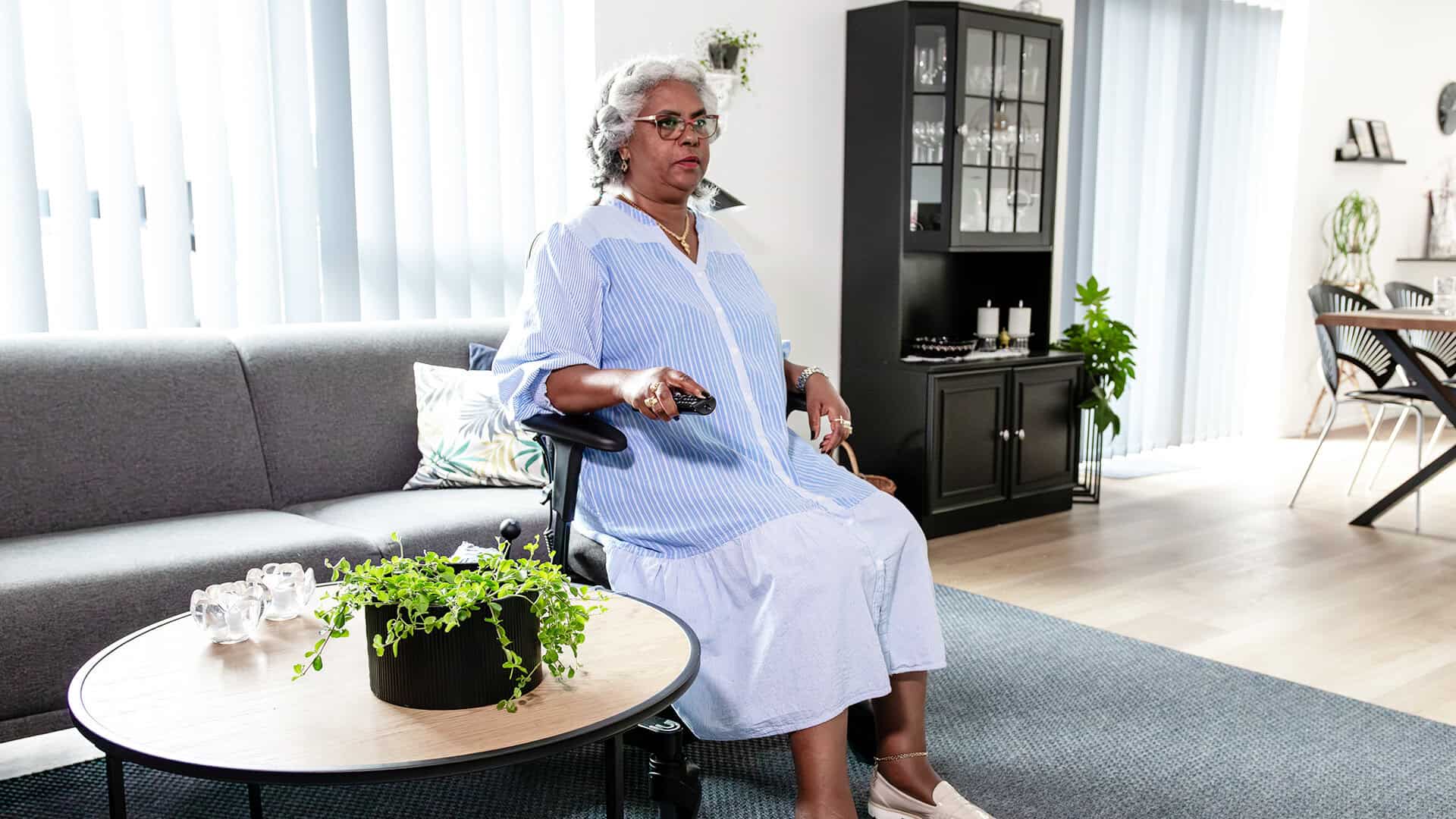
As nursing homes face challenges like staffing shortages and high occupancy costs, many families are exploring options that enable seniors to maintain independence longer in their own homes. This is where innovative solutions, like the VELA Independence Chair, come into play. The VELA Chair is a medically approved mobility chair tailored for home use. It offers increased safety with features like a central brake, freedom of movement while seated, and essential support for daily activities such as cooking, dressing, or transferring — all while easing the burden on informal caregivers.
How Mobility Solutions Like VELA Make a Difference
Exploring options that allow seniors to stay at home longer can significantly impact their quality of life. The VELA Chair exemplifies a practical solution, with features like a central brake for extra safety, electric height adjustability to facilitate reaching, and ease of movement while seated. These features help prevent falls, promote energy conservation, and ease transitions, possibly delaying the need for a nursing home. The newest trends in mobility solutions highlight the rise of adaptive and ergonomic designs, sensor-equipped supports, powered exoskeletons, and chairs with smart controls that monitor usage and encourage activity, all to support comfort, independence, and incident prevention (ButterflyMX; Heisinger Bluffs; AANP).
Life with a VELA Chair or similar technology means greater dignity, freedom, and safety for seniors as they engage in daily activities such as cooking or relaxing. This mobility aid is not the only solution, yet it’s a proven, practical choice helping many seniors age comfortably in their homes. For more insights into how such innovative seating can elevate safety in care facilities, visit Mobility Solutions for Nursing Homes.
- Synchrony Florida. The Future of Home Health Care: Trends to Watch in 2025, April 2025.
- ButterflyMX. Senior Living Technology Trends 2025: Shaping the Future of Care, July 2025.
- Heisinger Bluffs. The Future of Senior Living: Trends to Watch in 2025, January 2025.
- Everything Medical Online. The Latest Trends in Mobility Aid Technology for 2025, May 2025.
- UnitedHealthcare Community & State. How enabling technology is transforming home-based care, August 2025.
- Envision Blog. What’s Next for 2025: The Future of Assistive Technology & AI Assistants, December 2024.
- Next Market Insights. Disabled and Elderly Assistive Device Market Report 2025-2030, May 2025.
- AANP. Top Five Health Care Trends for 2026: How New Technology is Transforming Patient Care, January 2026. Link
- CANHR. Nursing Home Care Standards, 2025. Link
- CMS Federal Register. Repeal of Minimum Staffing Standards for Long-Term Care Facilities, December 2025. Link
- AARP. Minimum Staffing Standards Rolled Back for Nursing Homes, December 2025. Link
- Medicare Rights Center. CMS Rescinds Nursing Home Staffing Requirements, December 2025. Link