

Updated January 2026: We have updated the article with the latest CMS regulatory developments, including the repeal of federal staffing standards, current Five Star quality ratings for South Haven facilities, and the most recent state bed inventory. We have also clarified the current landscape in specialized care and assistive technology adoption, reflecting new federal and Michigan-specific data.
South Haven Nursing Home: A Guide for Families and Caregivers
As the picturesque lakeside town of South Haven, Michigan, continues to draw retirees and older adults, the demand for high-quality nursing home facilities is steadily increasing. This comprehensive guide delves into the landscape of nursing homes in South Haven, highlighting top-rated facilities, financial considerations, and specialized care options to help families make informed decisions.
Overview of Nursing Homes in South Haven, Michigan
South Haven offers a variety of elder care facilities tailored to different needs, from assisted living to specialized memory care. According to A Place for Mom, the community includes several nursing homes, though most options currently fall at or below the state average in quality ratings. Making informed choices has become even more important given recent regulatory changes and persistent staffing challenges.
Top-Rated Nursing Home Facilities and Reviews
Maple Lake Assisted Living and Memory Care is praised by residents and families for its compassionate staff and amenities. Personalized care plans and engaging social activities are highlighted features. Visitors often report a welcoming environment and attentive staff. More details are available on Caring.com.
The South Haven Nursing and Rehabilitation Community currently holds a CMS Grade D rating (3 out of 5 stars, with a 43/100 Trust Score), reflecting below-recommended RN staffing levels (38 minutes per resident day, under the prior 0.55 hours per day federal recommendation). While there have been no fines or abuse citations, this facility’s scores fall short of metrics considered optimal for quality care. Prospective residents and families are encouraged to visit, interact with staff and residents, and use official sources for the latest quality ratings. Detailed reviews can be found on Caring.com and nursinghomedata.org.
Regulatory Updates and Quality Ratings: 2025–2026 Changes
Recent federal and state regulatory decisions have significantly impacted how nursing homes are rated and how their staffing is measured. In June 2025, the Centers for Medicare & Medicaid Services (CMS) updated the Nursing Home Care Compare Five Star Quality Rating System, now evaluating facilities based only on the two most recent health inspections and adding claims-based antipsychotic medication usage. This provides a more up-to-date view of facility conditions, and impacts public scores for many communities, including South Haven. HealthIndustryWashingtonWatch.com
After finalizing new minimum nurse staffing standards in 2024, CMS repealed these requirements in December 2025, with the repeal effective February 2, 2026. Facilities are no longer held to the 3.48 hours per resident day staffing minimums or the 24/7 RN requirement at the federal level. This rollback, prompted by widespread workforce shortages and concerns over rural facility viability, means local oversight and individual facility policies now play a greater role in care quality. Michigan’s updated long-term care bed inventory as of January 2, 2026, reflects the latest facility licensing and operational status across the state. CMS.gov, NACo.org, nursinghomedata.org, michigan.gov
Costs and Financial Considerations for Nursing Home Care
In Michigan, nursing home care represents a notable financial undertaking. According to CareListings, average daily costs hover around $257.23, amounting to approximately $7,700 monthly. Pricing is influenced by staffing levels, amenities, and geographic factors. Families should explore coverage options through Medicare and Medicaid, as these programs may offset some expenses based on specific facility qualifications and care requirements.
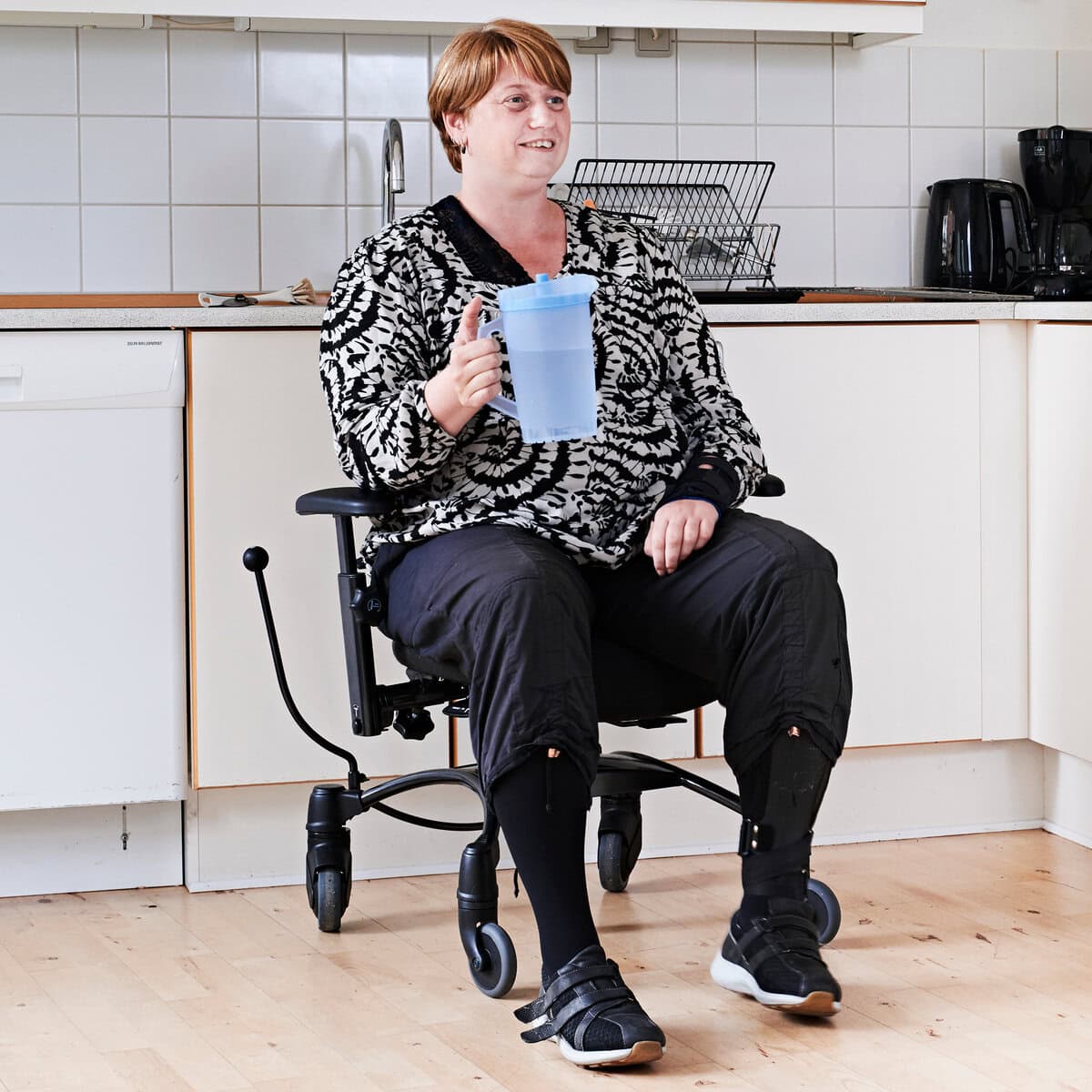
For families exploring alternatives to traditional nursing home settings, the focus shifts toward solutions that enable older adults to maintain their independence at home. Products like the VELA Independence Chair emerge as a valuable option; these medically approved mobility chairs enhance safety, provide freedom of movement while seated, and support daily activities such as cooking, dressing, or transferring. By effectively distributing weight and reducing strain on caregivers, VELA chairs offer practical benefits for those striving for self-sufficiency and comfort.
Special Care Programs, Rehabilitation, and Assistive Technology Trends
While many South Haven facilities offer services such as pet-friendly accommodations, tailored dining, and memory care programs, there have been no major documented breakthroughs in specialized assistive technologies, ergonomic design, or rehabilitation practices in this region as of early 2026. The sector continues to emphasize facility-based assessments, person-centered care planning, and adaptation of mainstream user-centered devices where available. Local facilities are encouraged to continue evaluating residents’ needs and adopting inclusive, evidence-based solutions as they emerge.A Place for Mom
No new clinical recommendations or major shifts in assistive technology standards were identified in PubMed, the World Health Organization, or other specialty sources since May 2025. South Haven nursing homes are therefore encouraged to maintain their focus on individual resident assessments and implement established best practices for mobility and daily function support.
Final Considerations
Choosing a nursing home involves a thorough evaluation of available options. Families should review current facility ratings, investigate staff levels, understand cost structures, and visit facilities in person. The recent repeal of federal staffing mandates places increased importance on direct observation and use of updated rating systems for decision-making. As caregiving and mobility solutions evolve, supplementary aids like VELA chairs remain practical tools for optimizing resident comfort and safety in both facility and home settings.
In conclusion, securing quality care in South Haven demands careful consideration, focusing on facilities that align with current quality benchmarks and the specific needs of seniors. By emphasizing experience, expertise, authority, and trustworthiness through well-informed choices and facility comparisons, families can help ensure a fulfilling, dignified, and safe living experience for their loved ones in later years.
CMS.gov
NACo.org
HealthIndustryWashingtonWatch.com
nursinghomedata.org
michigan.gov