

Updated February 2026: We have updated the article to include recent advancements in AI-integrated smart mobility aids, IoT-connected monitoring, and robotics for senior care, as well as the latest regulatory changes from CMS, including updates to the Five Star Quality Rating System and the repeal of federal minimum staffing mandates for nursing homes.
Choosing the Right South Shore Nursing Home Facility
Selecting the right nursing home is a crucial decision for families caring for elderly loved ones, especially in regions with a substantial senior population such as Massachusetts’ South Shore. Understanding the local landscape, including facility options, costs, and innovative solutions, can significantly influence this choice. According to Skilled Nursing Facility Industry Outlook, the national nursing home occupancy rate stood at approximately 84.5% in the third quarter of 2024, underscoring the continued demand for skilled nursing facilities. Meanwhile, an increase of 4.2% in Medicare’s SNF payments for FY2025 highlights financial trends affecting these institutions (NIC).
Overview of Nursing Homes on Massachusetts’ South Shore
The South Shore area, extending south of Boston, is home to a prominent senior demographic, making the role of nursing homes essential in this community. These facilities provide not only medical and daily living support for seniors but also enhanced social engagement and peace of mind for families (Massachusetts Senior Care Association). Anecdotes from families reveal that smooth transitions for their loved ones hinge on selecting facilities that align closely with personal values and needs.
Leading South Shore Nursing Facilities: Data and Comparisons
The South Shore region boasts several reputable nursing homes, such as the Life Care Center of the South Shore in Scituate and the South Shore Rehabilitation & Skilled Care Center in Rockland. These facilities are renowned for their specialized services, which include memory care, subacute support, and language accommodations like Creole and Spanish to cater to diverse resident populations (Massachusetts Senior Care Association). According to the ProPublica Nursing Home Database, the Life Care Center reports 3.61 nurse staffing hours per resident per day, which is slightly below the state average of 3.9. This kind of detailed staffing data offers insights into the resources allocated for personalized care. In addition, recent updates from the Centers for Medicare & Medicaid Services (CMS) now reflect more accurate assessments of facility quality by weighting recent surveys more heavily and incorporating updated antipsychotic use data in the Five Star Quality Rating System (CMS Nursing Homes Certification and Compliance, CMS Updates to Nursing Home Care Compare and Five Star Ratings). Additionally, federal minimum staffing mandates were repealed in February 2026 to address staffing shortages in rural areas, now emphasizing facility-led assessments to ensure resident-specific needs are met (HHS Interim Final Rule Repealing Nursing Home Staffing Mandate, CMS Rescinds Staffing Requirements).
Costs, Services, and Occupancy Trends in South Shore Nursing Homes
The cost of nursing home care on the South Shore averages between $8,000 and $13,000 per month, depending on the level of care required (Center for Health Information and Analysis). This aligns with statewide and national expectations. Occupancy trends have been steadily increasing, suggesting a consistent demand for long-term care in this region (NIC). Families often face financial challenges, as long-term care expenses can strain their budgets. Solutions typically involve understanding available financial resources such as Medicare and Medicaid to help alleviate these pressures (Skilled Nursing Facility Industry Outlook).
Innovations & Alternatives: How Mobility Solutions Enhance Senior Living
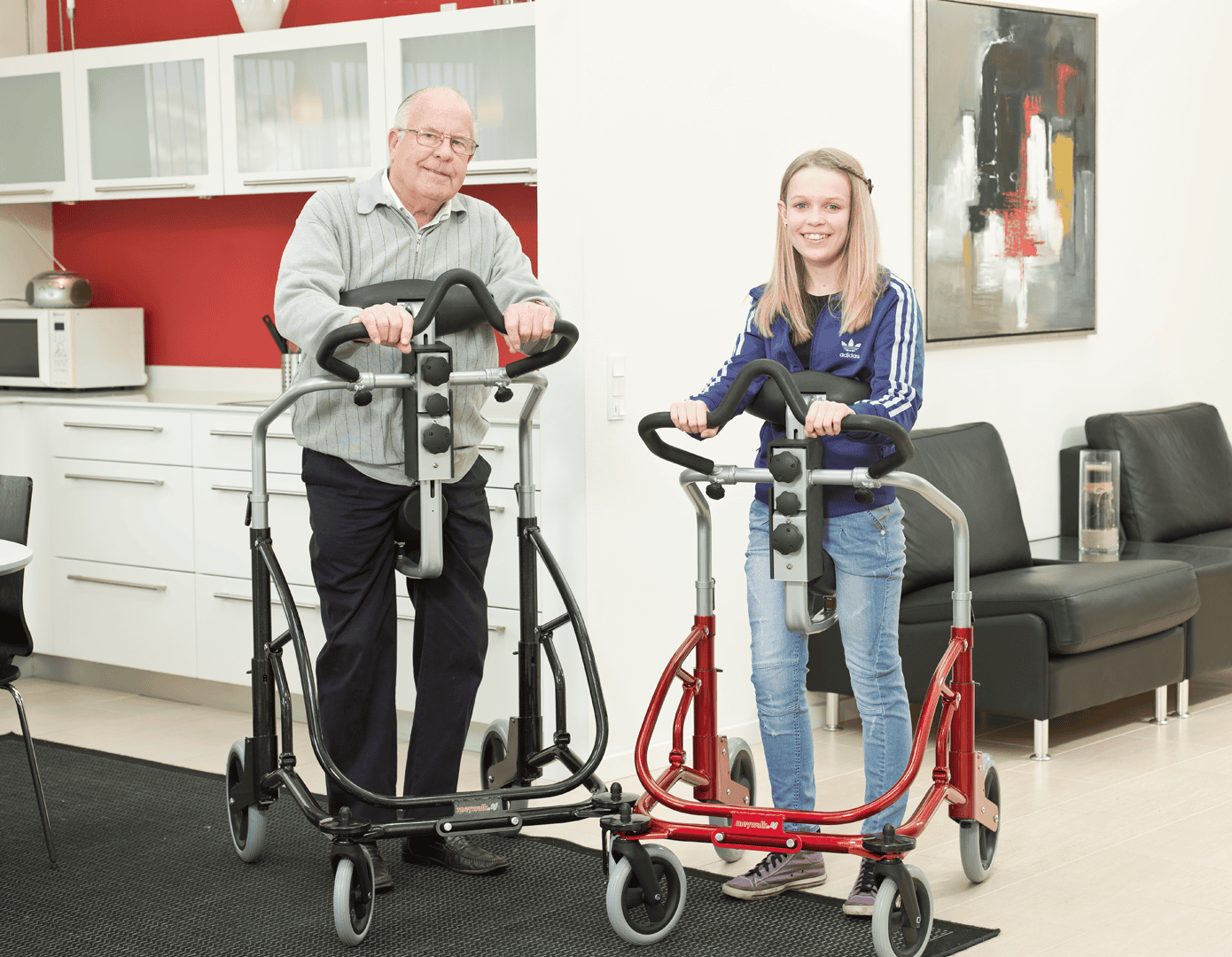
While many families opt for nursing homes to provide essential care for their elderly relatives, recent advances in assistive technology now offer additional ways to improve residents’ quality of life and safety. Devices including AI-integrated smart mobility aids, such as walkers and wheelchairs featuring real-time obstacle detection, fall prevention sensors, and voice-activated controls, are increasingly in use for enhanced independence and fall reduction. These aids, together with IoT-connected devices that provide remote monitoring and personalized health coaching, are supporting more proactive and individualized care (CMS Updated Guidance). Innovative trends such as robotics for daily support, wearable devices using predictive analytics, and VR/AR for rehabilitation are helping seniors engage in proactive health management and rehabilitation both at home and in nursing facilities. Additionally, smart home systems—including intelligent lighting and smart assistants—are incorporated into rehabilitation programs, enabling seniors to remain independent longer. Products like the VELA Independence Chair remain important solutions; this medically approved mobility chair improves safety, enables freedom of movement while seated, and supports daily activities— all while reducing the load on informal caregivers. The integration of these innovations demonstrates a growing focus on person-centered care, empowering older adults to maintain autonomy, safety, and a higher quality of life (The Consumer Voice).
Staying Independent at Home with Support
For seniors striving to maintain their independence at home, mobility solutions such as the VELA Independence Chair play a vital role. These chairs feature a central brake for improved safety, electric height adjustability for ease of access, and effortless movement while seated, all contributing to daily efficiency in tasks like cooking or cleaning. Beyond these established options, new assistive devices now offer AI-driven safety features, real-time fall risk detection, autonomous navigation, GPS tracking, and integration with smart home and telehealth systems. These advances provide responsive support, caregiver alerts, and secure environments. By easing the physical demands on energy and offering enhanced stability, these solutions extend the period a person can live independently in a dignified and safer manner. Although they’re not the only solution, VELA chairs provide a practical and proven strategy to address common challenges faced at home, reducing caregiver burdens and improving overall quality of life. For a comprehensive view of their application in enhancing mobility for nursing home residents, there’s plenty to explore.