

Updated September 2025: We have updated the article to reflect the latest Centers for Medicare & Medicaid Services (CMS) regulatory changes implemented in 2025, including changes to quality ratings, staffing requirements, medication oversight, and a new focus on health equity in nursing home care. These updates impact how Southfield nursing homes are evaluated for quality and compliance. For more information, see the new CMS sources listed at the end of the article.
Choosing the Right Nursing Home in Southfield, Michigan
Choosing the right nursing home is a critical decision for many families, particularly in regions like Southfield, Michigan. Southfield is home to a vibrant senior community, underscoring the importance of quality nursing homes that cater to its elderly residents. With an average nursing home rating of 2.7 out of 5 and average costs hovering around $257.23 per day, according to CareListings, it’s essential to explore your options thoroughly when considering a facility for your loved ones.
Understanding the Nursing Home Landscape in Southfield, Michigan
Southfield, a suburb of Detroit in Oakland County, Michigan, has a diverse population, including a significant number of seniors. Within the city, nursing homes serve as pillars of care, providing essential services such as skilled nursing, rehabilitation, and memory care. For example, among these facilities, St. Anne’s Mead stands out with a notable rating of 4.8 out of 5. This high rating is attributed to their commitment to offering exemplary care, evidenced by the attentive and long-tenured staff and comprehensive rehabilitation programs.
The city hosts multiple nursing homes varying in size and capability, allowing seniors to find precisely the level of care they need. Facilities commonly offer a range of services, ensuring that all health requirements are met efficiently and compassionately.
Evaluating Southfield’s Premier Nursing Homes
When evaluating nursing homes in Southfield, it’s helpful to compare facilities based on detailed user reviews and health inspection outcomes. In addition to St. Anne’s Mead, several other institutions provide excellent services distinguished by their specialized programs and amenities. User testimonials often highlight the comfort and satisfaction of residents, providing invaluable insights into the everyday experiences within these facilities. The Michigan Department of Health and Human Services records indicate an occupancy rate of approximately 71.6%, which suggests a balance between popularity and the availability of personal attention from staff.
As of 2025, the Centers for Medicare & Medicaid Services (CMS) has revised its approach to evaluating nursing homes on the Nursing Home Care Compare platform. The calculation of facility ratings now relies on the two most recent health inspection surveys, instead of the three previously used. This update is intended to give families a more accurate picture of current facility performance, but may result in more fluctuations in public ratings as inspections are updated more frequently. In addition, COVID-19 vaccination rates are no longer included in the publicly displayed profiles, so families need to inquire directly with facilities about current infection prevention and vaccination practices (AHCA/NCAL; Skilled Nursing News).
Navigating Costs and Quality of Care in Southfield
Understanding costs is paramount when selecting a nursing home. The average rate in Southfield is approximately $257.23 per day, translating into about $7,800 monthly, a significant consideration for many families (CareListings). These costs typically include room and board, basic health services, and some personal care. However, assessing whether a facility is Medicare or Medicaid certified is crucial, as this impacts the coverage of costs and can significantly alter out-of-pocket expenses. Families should verify the facility’s certification status on Medicare’s official website.
Occupancy rates, which currently average around 71.6% in Michigan, also play a crucial role. High occupancy can signal both popularity and potential deficiencies in service quality due to overburdened staff. Monitoring these trends can provide insights into facility availability and care standards (Michigan Department of Health and Human Services).
Recent federal regulatory updates also require nursing homes to meet more robust staffing standards. Facilities must now ensure clear and continuous 24-hour licensed nurse coverage and comply with stricter definitions for key staffing roles, such as licensed nurse and charge nurse. These measures aim to improve oversight and quality of care for all residents, particularly those needing specialized attention or assistance with mobility and rehabilitation (Sandberg Phoenix; Consumer Voice).
Another key update is the strengthened oversight of psychotropic medication use. Facilities are now subject to more precise requirements that prohibit the use of these medications for reasons of convenience or sedation without informed resident consent. These efforts are being implemented alongside enhanced protocols to prevent inappropriate resident transfers or discharges, reinforcing resident rights and quality standards (Health Industry Washington Watch).
Quality Assurance and Performance Improvement (QAPI) programs at nursing homes are now required to integrate health equity considerations, analyzing care for disparities related to race, socio-economic status, and language when investigating adverse events or errors. Families may wish to inquire how local facilities are meeting these standards to ensure resident-centered and inclusive care (Sandberg Phoenix).
Exploring Specialized Senior Care in Southfield Nursing Homes
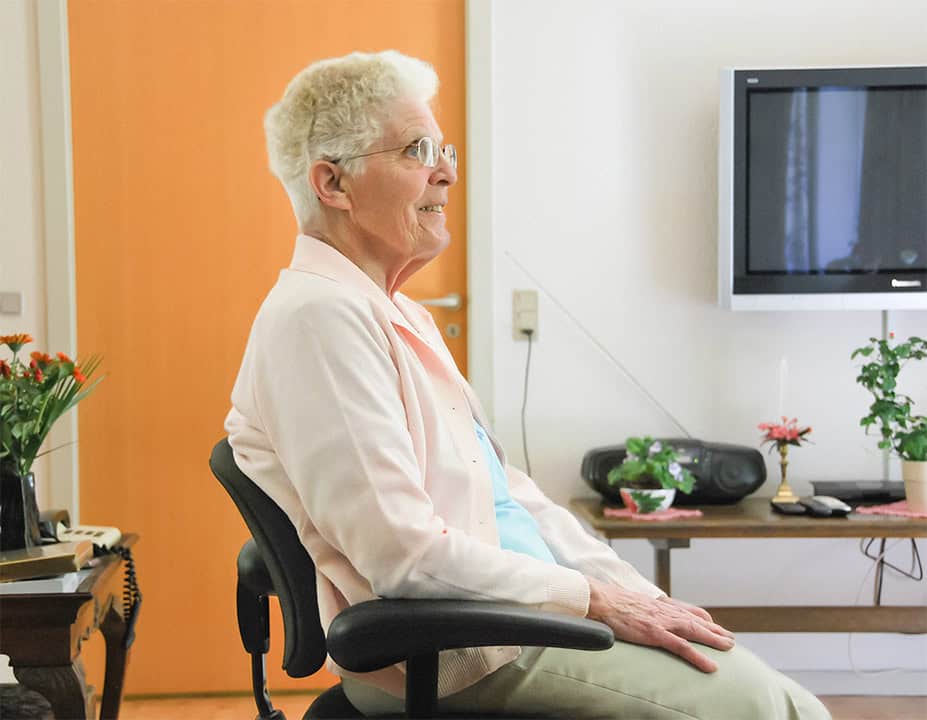
Selecting the ideal nursing home often involves addressing challenges like fall prevention, mobility support, and personal comfort for seniors. Amid these concerns, many families look for ways to enable their loved ones to maintain independence at home, potentially delaying the move to a nursing facility. VELA, a medically approved mobility chair, offers a practical solution for seniors wishing to remain in their own homes. These chairs enhance safety by providing a central brake system, and support freedom of movement while seated, facilitating daily activities like cooking, dressing, or transferring, and simultaneously easing the load on informal caregivers.
While there have not been specific regulatory updates or scientific studies in 2025 particular to assistive device design, the shift towards improved staffing and oversight in nursing homes is expected to further support access to high-quality mobility solutions and rehabilitation support for residents with disabilities or reduced mobility.
Exploring Alternatives to Nursing Homes
For seniors striving for independence while aging in place, solutions like VELA Chairs can make a significant difference. These chairs are designed with features that address key challenges for aging individuals. Their central brakes enhance safety by preventing falls and accidents, while the electric height adjustability supports effortless transitions to standing positions, crucial for maintaining autonomy. The ease of movement while seated helps conserve energy, ensuring seniors can participate in everyday activities like cooking or relaxing with minimal strain. By alleviating some physical burdens, these chairs can delay the necessity of transitioning into a nursing home, offering dignity, freedom, and safety. While not the only solution available, VELA represents a proven, practical option for enhancing the quality of life at home.