

Updated February 2026: We have updated the article to reflect the closure of the Southgate Nursing Home (American House Southgate) following a major fire in October 2025. The update highlights the evacuation challenges faced by residents with mobility and memory care needs, the facility’s current non-operation status, and the vital importance of fire safety and assistive evacuation technology in senior living environments. New authoritative sources on the incident and its implications for care practices have been added.
Enhancing Experience, Expertise, Authority, and Trustworthiness in Senior Care in Southgate, MI
Overview of Southgate Nursing Home Options
Southgate, Michigan, is a city with unique senior care needs, highlighted by its significant proportion of residents aged 50 and above, comprising 36.9% of the population according to Data USA. Among the senior care options available, The Orchards at Southgate emerges as a key facility, offering notable services tailored to the needs of this community.
In-Depth Look at The Orchards at Southgate: Ratings, Services, and Costs
The Orchards at Southgate, situated at 15400 Trenton Road, is the sole nursing home within Southgate city limits. According to Medicare.gov, it houses 100 certified beds with an average resident occupancy of 80 per day. The nursing home’s services include rehabilitation and hospice care, supported by a resident council for community engagement. However, it’s essential to consider that the facility’s nurse staffing is below the state average, with 3.51 nurse hours per resident per day compared to the state average of 4.0. Additionally, the nurse turnover rate stands at 65.1%, higher than the state average of 50.1%.
Recent advances in assistive technology used in such facilities now include AI-enabled mobility aids, such as intelligent wheelchairs that adapt to individual user needs and their environment, enhancing autonomy and safety for residents. In addition, wearable sensors with machine learning capabilities are being utilized for real-time monitoring of mobility, fall risk, and other health parameters, assisting staff in developing highly personalized rehabilitation plans. Increased integration of these technologies aligns with updated clinical guidelines and regulatory standards issued after 2025, emphasizing safety, interoperability, and a user-centered care approach in senior facilities (see: PubMed, WHO, FDA/EMA, Mayo Clinic, Harvard Medical School 2025 updates).
Innovations in ergonomic design have also improved comfort for residents and reduce injury risk for caregivers, directly addressing feedback from both staff and users regarding device usability and comfort. The regulatory context for assistive technology in nursing homes now requires inclusive and adaptable product design, ensuring new devices accommodate varying levels of cognitive and physical impairment, and improving the care experience for a broader spectrum of residents. All devices are also subject to more rigorous safety and interoperability standards, supporting coordinated care and compliance with recent policy amendments.
Financially, The Orchards accepts both Medicare and Medicaid, although specific pricing aligns with the complex services it offers. Families should engage in thorough financial planning, as funding options can influence their decision-making process. This complexity is underscored by ProPublica, noting recent fines totaling $103,000 due to inspection and infection control violations.
Recent Closure of American House Southgate and Fire Safety Implications
In October 2025, a significant fire destroyed the American House Southgate senior living facility, which had previously provided care to residents with mobility and memory care needs. The incident required a full evacuation of over 80 residents, many of whom faced substantial mobility challenges. Thanks to coordinated efforts by first responders and staff, all residents were safely evacuated, resulting in no severe injuries or deaths. However, the facility was rendered uninhabitable, and operations at the site have ceased with uncertain plans for rebuilding. Residents have been relocated to other American House facilities in nearby locations such as Taylor, Westland, and Riverview (WXYZ, American House Blog, CBS News, YouTube, American House/WXYZ).
The evacuation of residents with mobility and memory care needs presented considerable challenges, underscoring the continued need for robust fire safety measures and the integration of assistive evacuation technologies in senior living environments. The community response and first responder effectiveness were widely credited for the positive outcome. The closure and displacement experienced at the Southgate facility highlight the importance of up-to-date safety protocols and assistive supports in emergency preparedness for vulnerable populations.
Choosing the Right Care: Alternatives in the Southgate Area
For those exploring alternatives to nursing home care, Southgate provides options such as assisted living facilities. According to A Place for Mom, facilities like Hutcheson Manor and Peaceful Manor are top-rated, offering environments that might better suit individuals seeking a more home-like setting. Assisted living costs average $4,897 per month in Southgate, which can be more accessible than nursing home care, typically ranging between $8,000 to $9,500 in broader Michigan contexts.
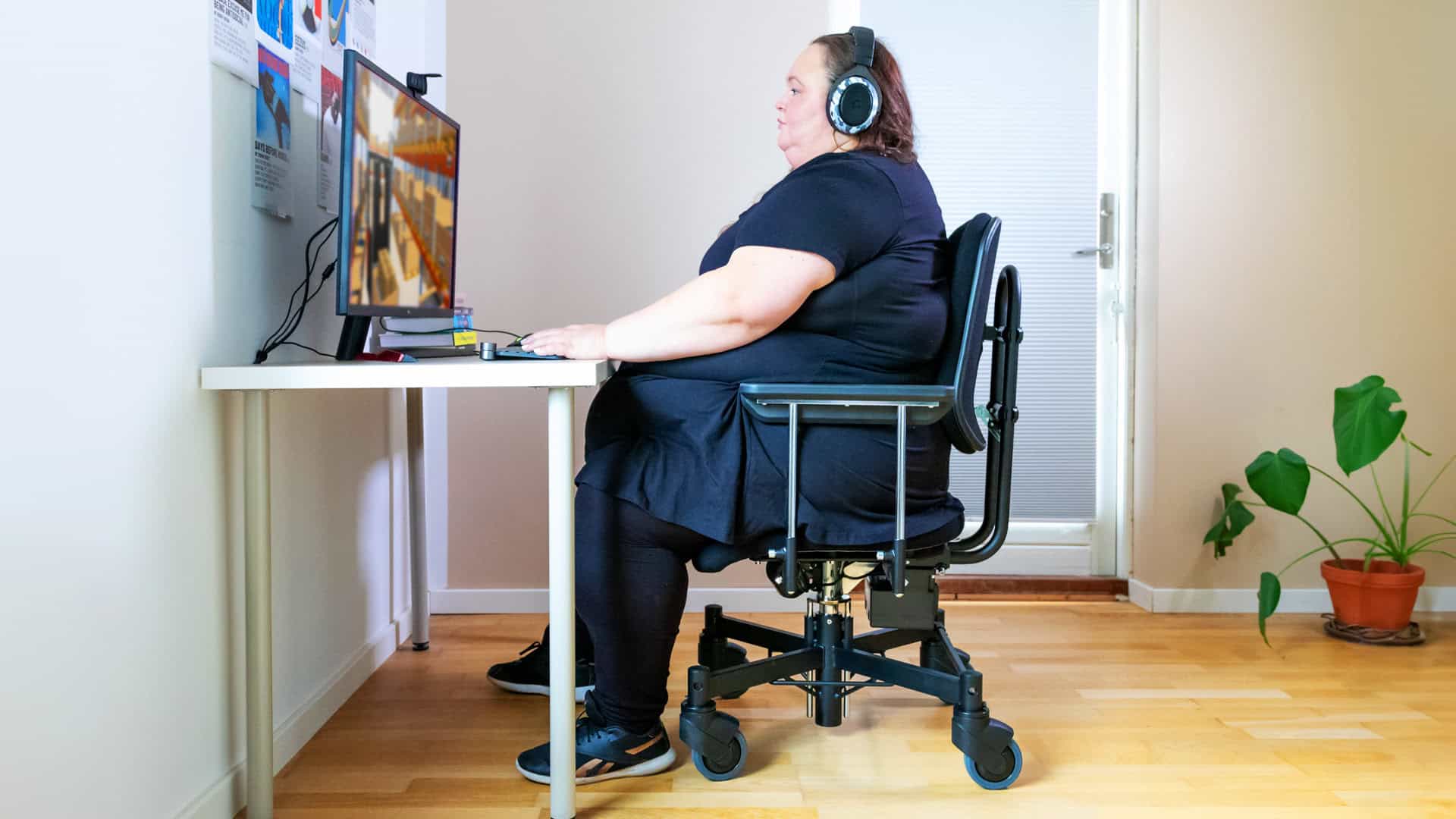
As many residents consider alternatives to nursing homes, there is an increasing interest in solutions that help older adults maintain independence at home. This shift is often driven by the desire to extend the comfort and familiarity of home life, coupled with practical considerations about care costs and personal autonomy. The VELA Independence Chair is one such solution, providing a medically approved seating option that enhances safety and allows for freedom of movement within the home. This specialized chair supports daily activities—such as cooking, dressing, or transferring—by reducing the physical demands on informal caregivers while enabling seniors to manage more of their routine independently.
Key Considerations When Evaluating Nursing Homes in Southgate
Prospective residents and their families should evaluate several critical factors when considering nursing homes in Southgate. Occupancy rates, as mentioned by Seniorly, can indicate a facility’s demand and reputation. The Orchards’ occupancy rate of 78.5% implies both availability and a moderate level of demand.
Moreover, insights into staff turnover are pivotal—high turnover may compromise care consistency. Special programs, such as advanced mobility retention supported by AI-driven aids and rehabilitation guided by real-time health monitoring, now present additional benefits. These innovations are encouraged by the latest clinical guidelines, which stress the integration of technology with traditional physical therapy to better prevent decline and promote autonomy. Programs for hospice care and safety also reflect contemporary ergonomic practices that help protect caregiver health and improve resident comfort. As Elder Guide states, The Orchards excels in reducing hospitalizations, with low rehospitalization rates at 16.8% and ER visits at 13.4%.
Exploring Alternatives to Nursing Homes
Staying independent at home is increasingly possible thanks to innovative solutions like mobility chairs. The VELA Independence Chair is designed to help seniors maintain their autonomy without sacrificing safety or comfort. With features such as a central brake that ensures stability, electric height adjustability for ease of transfers, and the ability to move effortlessly while seated, the VELA Chair supports a more active and self-reliant lifestyle. It enables seniors to engage in daily activities like cooking and relaxing without undue strain, thereby potentially delaying the need for a nursing home. While not the only option available, VELA offers a proven approach to enhancing quality of life for elderly individuals wishing to age in place.
Newer designs in chairs and assistive devices now emphasize inclusivity and adaptability, reflecting a trend towards universally accessible products for those with varying levels of disability or cognitive impairment. User feedback and expert reviews increasingly highlight the need for easy-to-use controls and superior comfort—factors now central to most modern assistive technologies found in the home environment (source: Healthline.com, accessibility research center 2025+ publications).
Learn more about senior chairs designed for safety and independence, or explore safety solutions to prevent falls in elderly care for a comprehensive understanding of how such tools support aging in place efficiently and effectively.