

Updated February 2026: We have updated the article to reflect new findings on AI-powered smart mobility aids, IoT-connected safety devices, telehealth-integrated wearables, hybrid digital-in-person care models, and the latest market and technology trends supporting independent and safe living for seniors and people with disabilities.
An In-Depth Look at Spring Creek Nursing and Rehabilitation Center
Nestled in the historic town of Green Springs, Ohio, Spring Creek Nursing and Rehabilitation Center blends rich history and modern healthcare, offering a unique environment for residents. Known for its proximity to the town’s renowned mineral spring, believed to have restorative sulfur properties, the facility provides both charm and appeal. According to ProPublica, Spring Creek features 120 certified beds and maintains an average daily residency of 73, supported by a staff delivering 3.46 nurse hours per resident daily—a figure slightly below the state average of 3.7 hours.
Spring Creek is distinguished by its wide array of services, catering effectively to its residents’ diverse needs. It offers skilled nursing care, comprehensive rehab therapy, and memory care services, thus ensuring a supportive environment essential for recovery and long-term residence. The facility’s historical location adds a touch of natural allure to the healing environment, with the nearby mineral springs adding to the center’s appeal.
Many residents and their families have shared their positive experiences about the caring and attentive staff at Spring Creek, highlighting the facility’s commitment to personalized care and community building. These testimonials reflect the center’s emphasis on compassion and individualized attention, which are crucial for delivering quality elder care.
Staffing Levels and Quality of Care at Spring Creek
The quality of care at Spring Creek Nursing and Rehabilitation Center is influenced by its staffing levels. According to Medicare, the average nurse hours per resident per day are slightly less than the state average. Despite a high nurse turnover rate of 64.9%, which exceeds the state average of 51.7%, the facility focuses on improving care standards and strives to maintain a stable workforce. A lower turnover rate is vital as it contributes to better resident outcomes by fostering continuity in care and enhancing staff-resident relationships.
Adhering to strict quality metrics, Spring Creek ensures resident welfare is prioritized, creating an environment where resident dignity and respect are paramount. Personal accounts from residents repeatedly praise the dedication and compassion of the nursing staff, providing insights into the nurturing environment that the facility strives to maintain.
Recent advancements in assistive technologies are reshaping quality care standards in facilities like Spring Creek. The adoption of AI-integrated smart mobility aids, such as wheelchairs with real-time obstacle detection, voice controls, and caregiver alerts, along with IoT-connected bathroom safety devices and sensor-equipped grab bars, supports resident independence and safety. Wearable health monitors now link to telehealth platforms for proactive fall prevention and chronic condition management. Integrated sensor technologies and digital solutions enable nursing staff to monitor vital signs remotely and receive alerts for immediate intervention, reducing caregiver burden and supporting higher quality of life. These developments align with industry trends and updated recommendations to promote technology-enabled, person-centered care in senior living.
Everything Medical Online, iHealthcare Analyst, Heisinger Bluffs, Age in Place Technology Watch, JMIR Aging, Data Insights Market
Ownership and Financial Dynamics of Spring Creek Nursing Home
Spring Creek Nursing and Rehabilitation Center operates as a for-profit entity under a limited liability company structure, a common arrangement that may influence operational priorities and financial dynamics. According to National Investment Center for Seniors Housing & Care (NIC), the impending changes in Medicare reimbursement for 2025 include a finalized 4.2% increase, which translates to approximately $1.4 billion in additional payments. These changes will likely shape financial strategies moving forward.
Families considering long-term care at Spring Creek are encouraged to weigh costs against industry standards while exploring potential financial assistance programs to manage expenditures. This approach allows for thoughtful financial planning, ensuring that care services remain accessible.
The investment climate in long-term care now strongly favors the adoption of digital solutions such as remote monitoring, AI assistants, smart home devices, and robotic-enabled mobility aids. Innovations include AI-driven exoskeletons, robotics for rehabilitation, and personalized assistive devices made using 3D printing technology. Hybrid models that combine in-person nursing care with digital tools are being adopted to reduce caregiver burden and hospital visits, especially for older adults in rural communities. While addressing cost and accessibility barriers is ongoing, these trends respond to both regulatory and consumer demand for technology-enabled, independent, and safe living.
GlobeNewswire, UnitedHealthcare Community & State, The Business Research Company
The Future of Nursing Home Care and Alternative Options
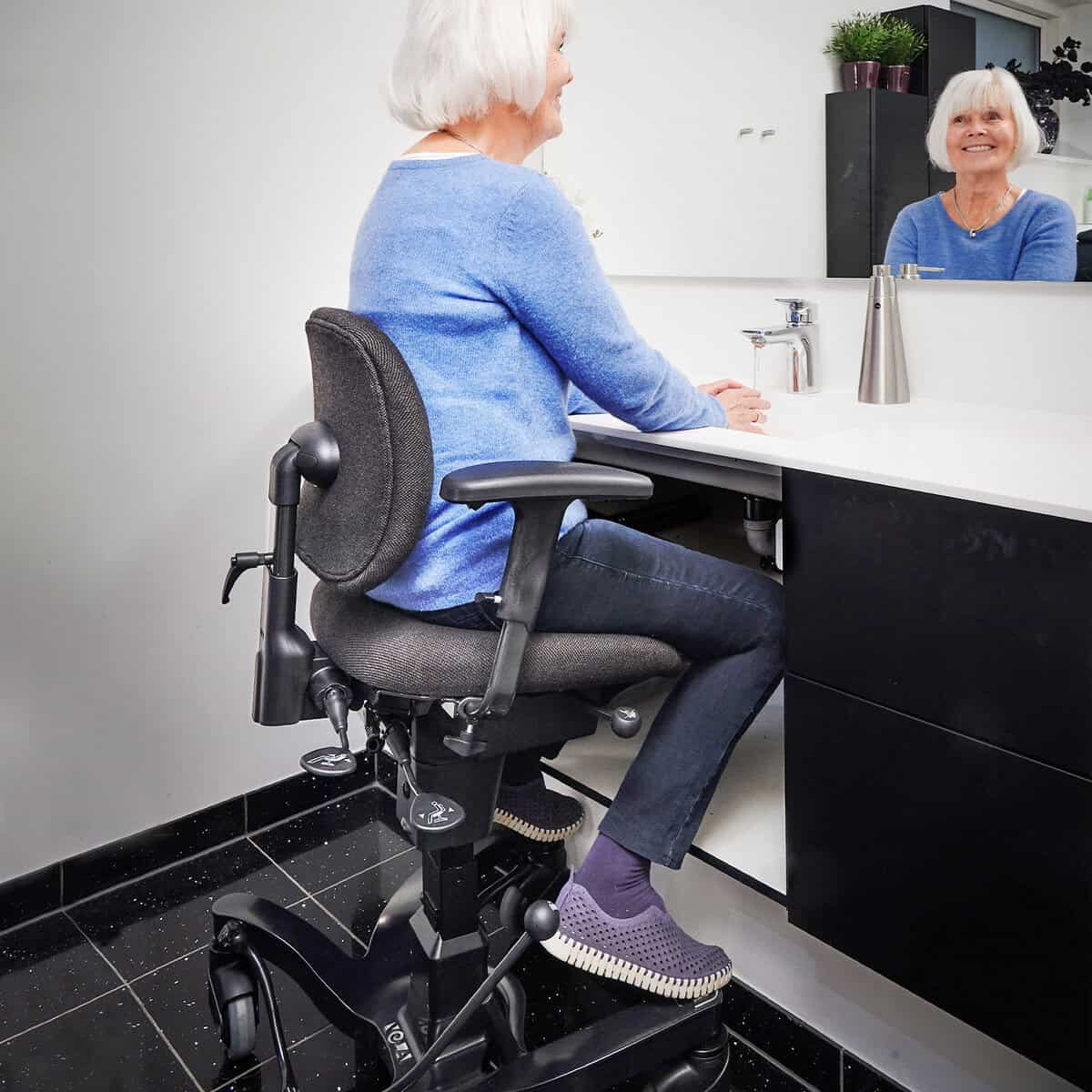
As the demands on nursing homes increase, many families are exploring options that support seniors’ independence within their own homes. Challenges such as staffing constraints and maintaining continuous quality care make this exploration timely. Independent Living for Seniors has become a growing focus, with solutions like the VELA chair offering practical alternatives. VELA is a medically approved mobility chair designed for home use, enhancing safety and freedom of movement while seated. It supports daily activities like cooking, dressing, or transferring, alleviating the load on informal caregivers and potentially delaying the need for nursing home care.
The assistive technology market continues rapid expansion, projected to reach $25.41 billion in 2025, driven by an aging population and adoption of next-generation solutions. Cutting-edge developments now include AI-powered mobility aids, smart wheelchairs with real-time sensing, exoskeletons for rehabilitation and strength, brain-computer interface tools, and wearables for continuous monitoring. These tools, now often integrated with telehealth for proactive care and chronic condition management, offer adaptive support for both mobility and rehabilitation needs, significantly advancing the possibilities for independent living among seniors and people with disabilities. Smart home integration, including voice-activated controls and IoT-enabled safety devices, continues to improve convenience, safety, and accessibility. Best practices now stress professional training in digital technology for healthcare staff and support for hybrid care models to increase reach, reduce disparities, and maximize resident autonomy and caregiver relief.
iHealthcare Analyst, SynchronyFL, LetsEnvision, Age in Place Technology Watch, JMIR Aging, Data Insights Market, The Business Research Company
VELA Chairs present a compelling option for seniors aiming to extend their independence at home. These chairs are engineered with features that directly address common challenges faced by the elderly, such as fall risks and mobility limitations. With a central brake system for safety, electric height adjustability, and ease of movement, VELA Chairs offer significant benefits in daily life. They help with engaging in tasks like cooking, cleaning, and relaxing comfortably. By preserving energy and providing enhanced support for tasks requiring transfers, they uphold values of dignity and freedom. While VELA is not the sole solution, it stands out as a proven and practical choice for families contemplating how best to maintain independence and reduce the need for prolonged nursing home stays. This approach complements existing support systems, offering a viable strategy to improve the quality of life at home.