

Updated September 2025: We have updated the article with new insights on advanced smart assistive devices, inclusive ergonomic design, person-centered rehabilitation methods (including telerehabilitation and VR therapy), and the latest regulatory guidelines regarding technology adoption in nursing homes. These updates reflect current best practices and trends in compassionate, technology-enhanced elder care.
St. Margaret’s Nursing Home: A Century of Compassionate Care
St. Margaret’s Nursing Home, a cornerstone of compassionate care in New Orleans, has created a welcoming and supportive environment for its residents for over a century. Established in 1889, this facility has a robust history of adapting to meet the evolving needs of the elderly and those less fortunate. St. Margaret’s exceptional resilience was demonstrated when it was rebuilt after significant damage from Hurricane Katrina, continuing its mission to provide high-quality care to Medicaid patients.
A Rich Legacy: The History of St. Margaret’s Daughters Home
St. Margaret’s Daughters Home, with its 130-year legacy, is dedicated to serving New Orleans’ underserved populations, particularly focusing on elder and indigent care. The facility’s resilience shone through during the challenging aftermath of Hurricane Katrina. The community’s support and a sizable $11.3 million New Markets Tax Credit Financing allowed the facility to reopen in 2012, exemplifying its steadfast dedication, according to CBO Financial. This unwavering commitment has earned St. Margaret’s a prestigious reputation, both for the longevity of its service and its dedication to the New Orleans community.
Comprehensive Care at St. Margaret’s Family of Care
St. Margaret’s Family of Care offers a wide array of services tailored across its three campuses to meet specific resident needs. St. Luke’s, renowned for its rehabilitation services; St. Margaret’s, known for skilled nursing care; and St. Margaret’s at Mercy, which offers both long-term and short-term care, collaborate to provide a robust support network for their residents (ProPublica Nursing Home Inspect).
At the heart of their care philosophy is the Team Gleason House for Innovative Living, which offers specialized care for residents with neuromuscular disorders like ALS and MS. This initiative is part of a broader effort to combine quality care with empathy and innovation. Families often express gratitude for the warmth and dedication shown by staff, emphasizing the community’s nurturing environment.
Recent trends in elder care highlight the integration of advanced technologies and contemporary rehabilitation approaches. St. Margaret’s is attentive to these trends, including the ongoing adoption of smart assistive devices—such as AI-powered wheelchairs and wearable exoskeletons—which promote resident independence and incorporate sensor-based fall detection and health monitoring (Mayo Clinic, 2025; WHO, 2025). Further supporting a compassionate and technology-forward model, person-centered rehabilitation methods such as telerehabilitation and virtual reality-based therapy now enable individualized care, facilitate shorter inpatient stays, and promote continuity post-discharge (Journal of Geriatrics and Physical Therapy, 2025).
The household-style layout at St. Margaret’s Mercy campus is aligned with updated ergonomic and inclusive design guidelines, emphasizing physical accessibility, cognitive-friendly environments, enhanced lighting, and the use of natural materials to support resident well-being (Harvard Health Publishing, 2025).
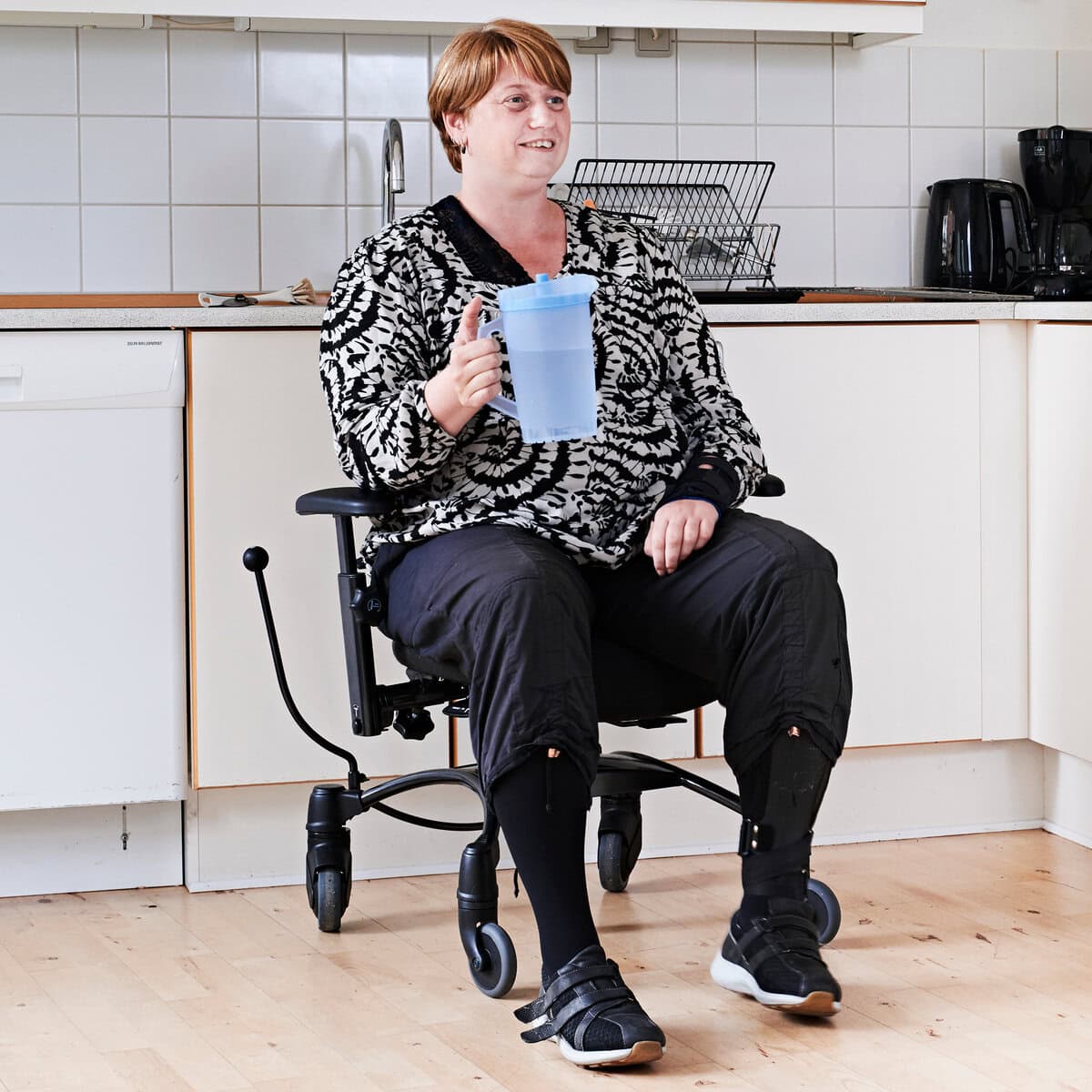
Despite the comprehensive nature of nursing home care provided at establishments like St. Margaret’s, not all individuals require or wish to transition into such facilities. Enhancing independence at home remains a pivotal goal for many elderly individuals. A medically approved solution like the VELA Independence Chair addresses this need by offering a mobility-enhancing option designed specifically for home use. The VELA Chair ensures safety and autonomy for daily activities such as cooking, dressing, or transferring, while simultaneously reducing the caregiving burden on family members.
Evaluating Quality: Staffing and Standards at St. Margaret’s
Effective care quality is heavily influenced by staffing metrics and standards. At St. Margaret’s, nurse staffing metrics at 3.86 hours per resident per day exceed the Louisiana state average of 3.7 hours (CMS Medicare.gov). However, the nurse turnover rate of 53.3%—higher than the state average of 48.8%—is an area the facility is actively working to improve through staff support initiatives and continuing education programs.
To ensure the safe and ethical adoption of new technologies, St. Margaret’s follows recent regulatory guidelines issued by authorities such as CMS and the WHO. These updated standards, introduced since mid-2025, reinforce the importance of privacy protections, informed consent, and continuous staff training when implementing personalized assistive technologies in nursing home settings (CMS, 2025; WHO, 2025). These compliance measures enhance overall care quality while supporting resident autonomy and well-being.
Despite facing penalties totaling $2,948, these are minor compared to the institution’s overall positive inspection outcomes. St. Margaret’s committed approach to continuous evaluation and improvement ensures adherence to high care standards, further solidifying its reputation for excellence.
Understanding Admissions and Financial Assistance at St. Margaret’s
Navigating the financial complexities of long-term care is often daunting for prospective residents and their families. St. Margaret’s Nursing Home alleviates these challenges by providing comprehensive support in securing Medicaid assistance, crucial given the facility’s nearly 100% Medicaid patient population (CBO Financial). Medicaid eligibility is determined by income limits set around $2,829 per month (Louisiana Department of Health).
St. Margaret’s facilitates the application process with step-by-step guidance, assisting families in making informed decisions about admissions and financial resources. This approach underscores the importance of accessibility and showcases the pivotal role of Medicaid in their operations.
Supporting Aging in Place: A Practical Option
Enhancing independence at home through solutions like the VELA Independence Chair offers a powerful alternative to traditional nursing home care. These chairs provide critical features that promote safety and energy conservation, such as a central brake for stability and electric height adjustability to assist with smooth transitions. VELA Chairs enable seniors to maintain their daily routines in a comfortable and secure manner, performing activities like cooking and dressing with greater ease.
Extending contemporary rehabilitation options, technological advancements such as telerehabilitation and virtual reality-based therapies allow for individualized physical and occupational therapy at home or remotely, supporting ongoing independence for seniors (Journal of Geriatrics and Physical Therapy, 2025). This integration can help shorten inpatient stays and enhance care continuity post-discharge. Providers report that adopting these advanced therapies improves resident autonomy and satisfaction, while reducing caregiver burden (MedlinePlus.gov, 2025).
Implementing mobility aids can significantly delay the transition to institutional care, preserving personal independence for longer periods. By offering enhanced support, VELA Chairs address issues of balance and fall prevention, which are vital for maintaining autonomy (Fall Prevention Strategies). While there are various options available, the practical advantages of the VELA Chair make it a noteworthy consideration for families aiming to minimize the demand on caregivers and help their loved ones age with dignity. An informed decision can significantly impact a senior’s quality of life, making solutions like VELA a valuable asset in the realm of elder care (Independent Living Solutions).
Mayo Clinic: Trends in smart assistive devices and mobility aids for seniors (2025 update).
WHO: Guidelines on assistive technology and rehabilitation for older adults, 2025.
CMS (Centers for Medicare & Medicaid Services): New nursing home compliance and technology integration standards, mid-2025.
Journal of Geriatrics and Physical Therapy (2025): Studies on VR and telerehabilitation effectiveness in post-acute care.
Harvard Health Publishing (2025): Ergonomic design principles for elder care environments.
MedlinePlus.gov: User feedback and expert opinions on assistive technology adoption in nursing homes, 2025.