

Updated September 2025: We have updated the article with the latest trends in assistive technology, including AI-powered and smart mobility aids, advancements in telemedicine and virtual rehabilitation for seniors, as well as important new CMS regulatory standards affecting nursing home care and infection reporting. The article also reflects the growing impact of health equity, personalized care, and technology-enabled aging-in-place solutions.
Exploring Nursing Home Care in St. Paul, MN
When considering a St Paul nursing home, understanding the landscape of nursing home facilities in Saint Paul, Minnesota, is crucial. This article explores the available options within the context of a growing demand, which is expected to rise by 21.6% by 2035 according to the Minnesota Department of Health. Utilizing data from reputable sources like the MN Nursing Home Report Card, we aim to provide an insightful guide for making informed decisions about senior care.
Understanding Nursing Home Care in St. Paul, MN
Nursing homes are essential in providing care for seniors requiring round-the-clock medical and personal assistance. In St. Paul, a demographic shift towards an aging population has necessitated an increase in such facilities. According to the Minnesota Department of Employment and Economic Development, approximately 21,561 Minnesotans aged 65 and older are expected to be in nursing homes by 2025. The average nursing home cost in St. Paul is about $4,427 per month, compared to the state average of $8,408 per month (CareListings). These figures highlight the importance of making well-considered choices when seeking out nursing home care.
Families often share experiences about the quality of life provided by St. Paul nursing homes, emphasizing the blend of medical attention and community activities that create a comfortable living environment. Facilities often provide a range of services, from social outings and entertainment to personalized dietary plans, aiming to maintain high occupancy rates, which currently average around 74.1% statewide (MN Nursing Home Report Card). One resident recounted their daily enjoyment of afternoon musical performances and nutritious meals tailored to their needs, underscoring the importance of personalized care. Recent advancements have further improved the standard of care by introducing AI-powered smart devices, wearable health monitors, and smart home integrations such as voice-activated systems and medication dispensers, which enable early detection of health issues and help maintain resident independenceSynchrony Financial, “The Future of Home Health Care: Trends to Watch in 2025”Heisinger Bluffs, “The Future of Senior Living: Trends to Watch in 2025”.
Evaluating Nursing Home Options in St. Paul: Costs, Ratings, and More
When searching for the right nursing home in St. Paul, it’s crucial to evaluate factors such as costs, ratings, and service offerings. Among the top-rated facilities, St. Anthony Park Home distinguishes itself with competitive monthly rates around $6,890 and a comprehensive range of services, including Medicare and Medicaid certification (FamilyAssets).
Despite apparent prosperity in some facilities, the industry faces significant financial challenges. The Long-Term Care Imperative highlights that while 70% of nursing homes expect improved financial performance in 2024, 42% may face negative results in 2025 due to industry-wide issues like staffing shortages. In response, the Centers for Medicare & Medicaid Services (CMS) released major revisions to nursing home surveyor guidance effective in early 2025, focused on enhanced staffing compliance, updated resident rights—especially concerning psychotropic medications—and strengthened infection control protocols. These revisions also address health equity, requiring quality reviews to include equitable health outcomes for all residents, and update physical environment standards to support compliance without necessitating costly renovationsSandberg Phoenix, “Major CMS Revisions to Nursing Home Surveyor Guidance”PALTmed, “CMS Announces Key Revisions to Nursing Home Surveyor Guidance 2025”. In addition, facilities now must use electronic systems to report respiratory infections including COVID-19, influenza, and RSV for improved public health awarenessAmerican Health Care Association, “CMS Issues Final Rule Impacting Nursing Home NHSN Reporting Starting January 1, 2025”.
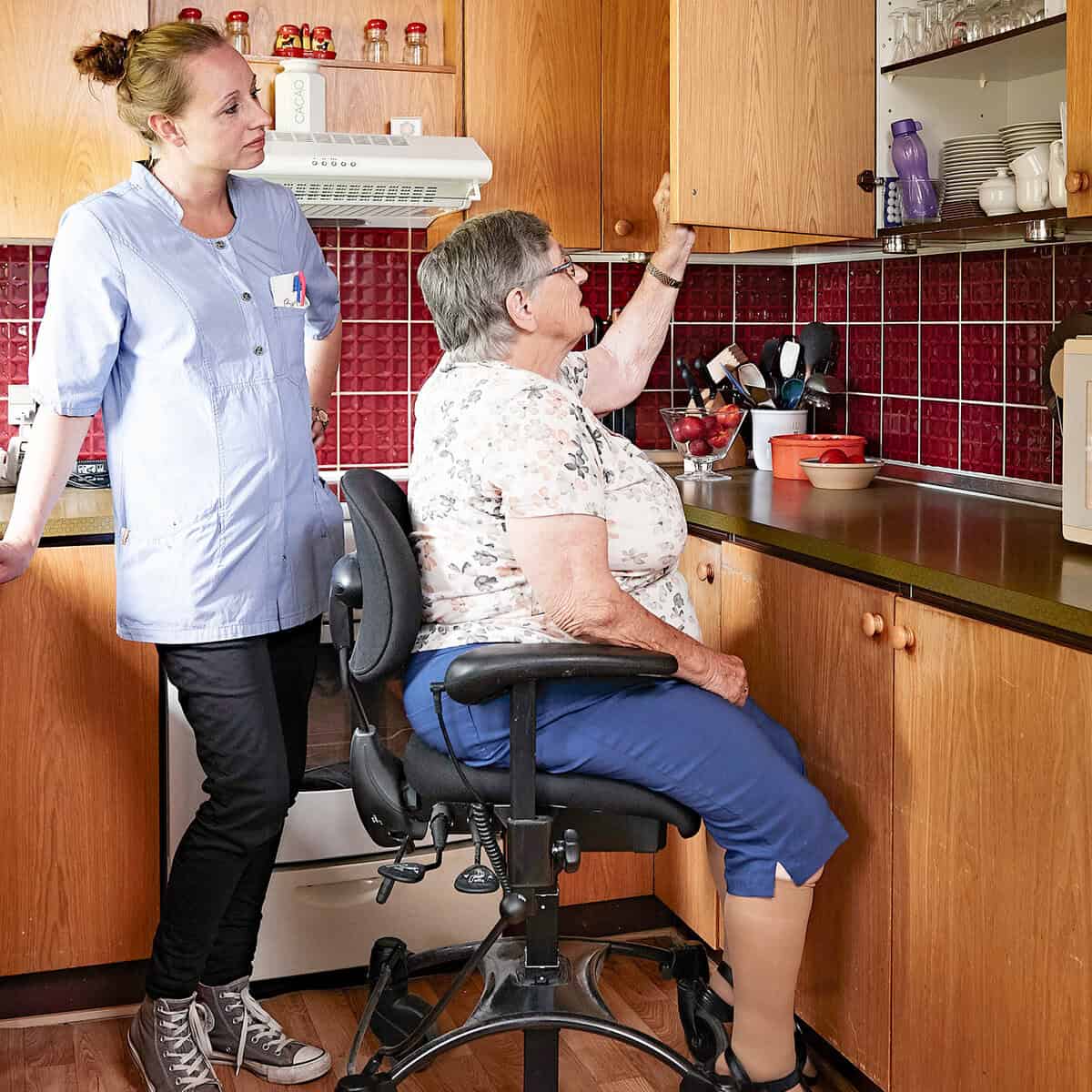
As nursing homes navigate these complex issues, there’s a growing interest in solutions that allow older adults to retain their independence at home. One practical approach involves the use of adaptive equipment and technologies that extend the ability to live safely and comfortably in familiar surroundings. The VELA Independence Chair represents a medically approved option that enhances mobility and safety at home, offering advantages like secure and free movement during daily activities such as cooking and dressing, while also lightening the burden on family caregivers. Newer technology trends in 2025 include AI-adaptive mobility aids, smart wheelchairs with GPS and collision avoidance, and the integration of wearable monitors—each promoting both independence and safety for usersEverything Medical Online, “The Latest Trends in Mobility Aid Technology for 2025”.
Navigating the Future of Senior Care: Trends and Challenges in Minnesota
Demographic changes are significantly impacting the demand for nursing home care in Minnesota. Because of staffing shortages and financial strain, maintaining high-quality care is a pressing concern for facilities. To manage these pressures, nursing homes often rely on Medicare and Medicaid certifications to sustain funding (Centers for Medicare & Medicaid Services). The complexity of healthcare regulations and the need for skilled professionals increasingly require nursing homes to innovate. Regulatory focus has also shifted to the importance of timely, accurate health data and the adoption of new technology-enabled models that promote personalized care and health equity for all residents.
Innovations, such as adaptive equipment and technologies, are emerging as crucial elements in redefining and supporting independent living, thus presenting alternatives or complements to traditional nursing homes. The increased use of wearable health technology, AI-driven personal care devices, and smart home integrations—including voice assistants and smart lighting—provide residents with personalized, interactive experiences that contribute to improved quality of life and increased autonomySynchrony Financial, “The Future of Home Health Care: Trends to Watch in 2025”UnitedHealthcare Community & State, “How Enabling Technology Is Transforming Home-Based Care”.
Staying Independent at Home with Support
Innovative solutions like the VELA Independence Chair can make a significant difference in enabling seniors to age in place. Such mobility chairs are specifically designed to enhance safety and freedom of movement within the home environment. Features like a central brake for stability, electric height adjustability, and ease of movement while seated empower seniors to perform everyday activities like cooking, cleaning, and dressing with less assistance. This practical solution not only promotes dignity and autonomy but also helps conserve energy, potentially delaying the need for nursing home care. While the VELA Chair is one of many solutions, its proven benefits offer a compelling case for those considering how best to support aging in place. In addition to mobility aids, many seniors now benefit from wearable health monitors, smart medication dispensers, and telemedicine tools that provide real-time support and virtual therapy from healthcare professionalsHeisinger Bluffs, “The Future of Senior Living: Trends to Watch in 2025”Everything Medical Online, “The Latest Trends in Mobility Aid Technology for 2025”.