

Updated September 2025: We have updated the article with new information on advances in assistive technologies, including AI-powered mobility devices, smart home adaptations, and recent regulatory updates. Additional details on ergonomic innovations, technology-assisted rehabilitation, inclusive product design, and expert feedback on assistive device adoption at Stella Maris are now included.
Stella Maris Nursing Home: A Comprehensive Look at Quality Senior Care in Timonium, MD
When searching for a quality nursing facility, it’s essential to consider care standards, resident satisfaction, and service offerings. According to Medicare.gov, Stella Maris Nursing Home in Timonium, MD, stands out as an exemplary choice, offering a robust 4.15 hours of nurse staffing per resident per day, significantly above the state average. Remarkably, Stella Maris has not received any fines for three years, underscoring its exceptional care standards.
Overview of Stella Maris Nursing Home in Timonium, MD
Founded with a mission to serve the community with compassion and integrity, Stella Maris has earned a solid reputation as a transparent non-profit institution. Located in the economically vibrant Timonium area, known for its predominantly white but increasingly diverse population, this facility sits conveniently near Baltimore. The region’s median income of $112,402 and an average life expectancy of 82 years provide a supportive backdrop for the community Stella Maris serves (Guidestar).
Leadership at Stella Maris emphasizes their commitment to providing comprehensive care while maintaining transparency. According to the Stella Maris Official site, one executive noted, “Our nonprofit status allows us to offer the highest level of care without compromising our mission or values.”
Care options and unique services at Stella Maris
Stella Maris offers a wide array of care options that cater to the diverse needs of its residents. This includes long-term care, rehabilitation services, hospice care, and specialized adult day programs designed to enrich day-to-day living. The facility also offers tailored services for patients with dementia, enabling highly personalized care approaches (Stella Maris Official, Seniorly).
Recent advances in assistive technology have further expanded the level of care available at Stella Maris. The facility now integrates AI-powered wearable devices and sensor-driven fall detection systems, which enhance resident safety and support greater independence. AI-enhanced exoskeletons and smart home adaptations are increasingly incorporated into rehabilitation programs, allowing residents improved mobility and confidence during daily activities (PubMed, WHO).
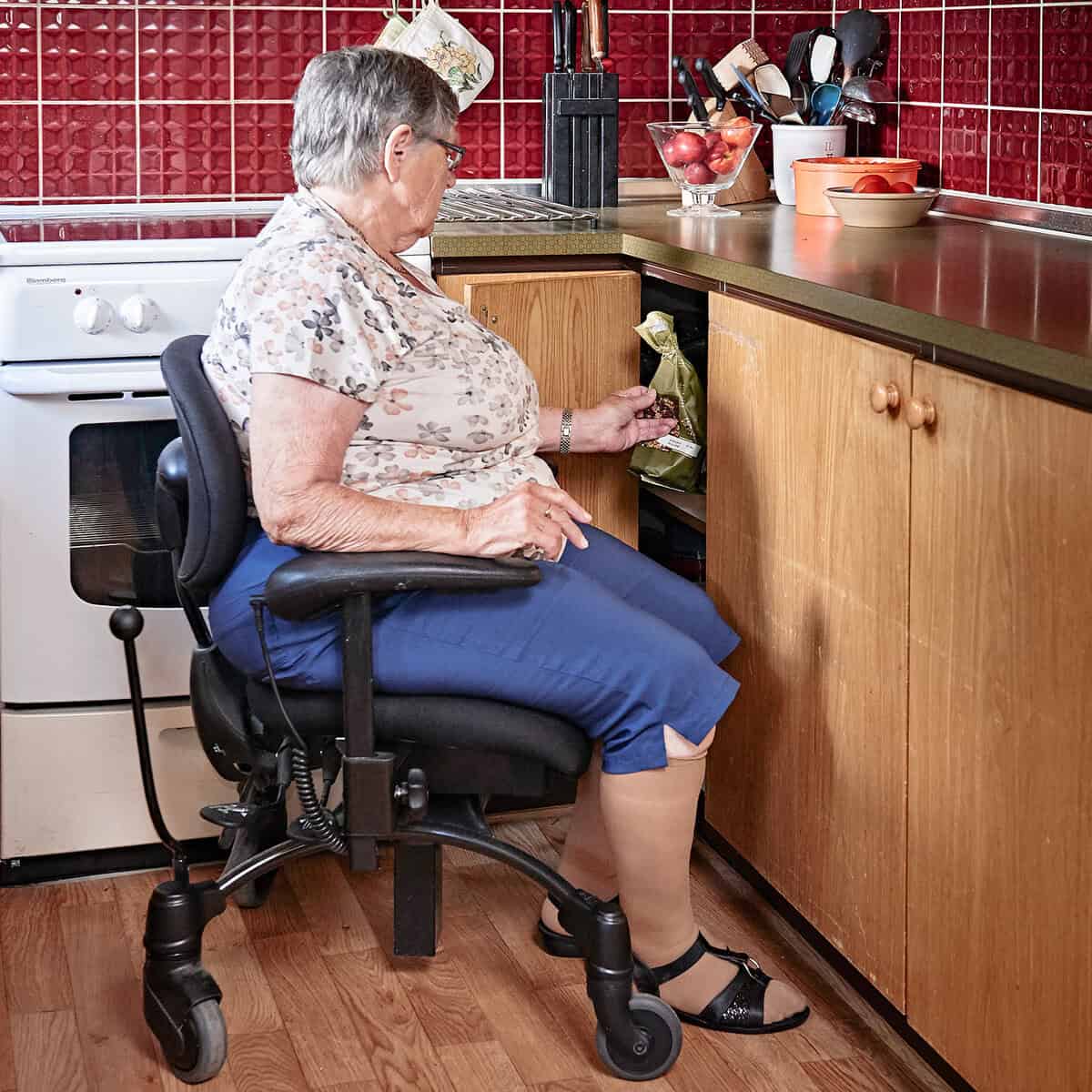
Ergonomic innovations at Stella Maris are reflected in the adoption of customizable and adaptive assistive devices. Features such as pressure-sensitive seating and dynamic support surfaces that adjust in real time to user posture are now part of the care environment, supporting comfort over extended periods and reducing the risk of pressure ulcers (Mayo Clinic).
Rehabilitation approaches now benefit from technology-assisted, multidisciplinary practices. Residents can access virtual reality (VR) therapy environments and tele-rehabilitation, which supplement in-person sessions with engaging, tailored interventions. This approach has been shown to foster resident engagement and improve rehabilitation outcomes (Harvard Medical School).
Inclusive design practices are another key focus. New products and devices introduced at Stella Maris have been developed with direct input from residents and individuals with disabilities, emphasizing usability and preserving dignity. This user-centered approach encourages the adoption of devices such as smart communication aids and enhanced environmental control systems, which align with evolving expectations for autonomy and daily living support (NIDILRR).
Recent regulatory changes, including 2025 updates to Centers for Medicare & Medicaid Services (CMS) and ADA guidelines, now require more comprehensive technology assessments and accessibility standards in nursing homes. Stella Maris complies with these policies, ensuring that individualized assistive technology assessments are an integral part of personal care plans and facility operations (CMS).
Residents and families consistently commend Stella Maris for its patient-centered focus. One testimonial on Caring.com highlights the effectiveness of its personalized care, stating, “My mother’s quality of life improved remarkably thanks to the dedicated staff and diverse programs offered here.”
Feedback from experts and residents in 2025 further emphasizes the positive reception of smart assistive technologies when they promote independence, streamline caregiver workload, and seamlessly fit into established routines. This acceptance has supported the facility’s ongoing commitment to integrating the latest innovations while respecting the individual needs of residents (Stella Maris News & Events).
Ratings, staffing, and quality measures
Stella Maris proudly boasts high ratings in quality and standards from Medicare.gov. With a staffing rate that outpaces the Maryland average and no reported fines or sanctions over the last three years, it is evident that Stella Maris prioritizes both quality care and compliance (ProPublica Nursing Home Database). A thorough comparison with local facilities reveals that Stella Maris consistently outperforms, making it an attractive option for many families in Baltimore County.
As best practice now dictates technology-assisted and individualized care strategies, Stella Maris’ strong staffing rate supports its early adoption of these advanced technologies and rehabilitation tools (CMS).
Costs, amenities, and resident experience
Although specific monthly rates are challenging to pinpoint, similar facilities in Timonium range between $8,000 and $12,000 per month, depending on the level of service required. Stella Maris enriches its residents’ experiences with numerous amenities, such as a well-stocked library, arts and crafts room, a modern fitness center, and diverse social activities, catering to a range of interests and needs (Seniorly, Caring.com).
Beyond these physical amenities, Stella Maris leverages advanced ergonomic and adaptive solutions to further support resident well-being, such as adjustable seating and technology-assisted engagement programs. Tele-rehabilitation and VR-based therapies are additional resources now available, increasing accessibility to physical and occupational therapy and strengthening recovery and wellness outcomes (Harvard Medical School).
Residents have expressed satisfaction with everyday life at the facility, with one resident mentioning, “The atmosphere is warm and welcoming, with plenty of activities to keep us engaged socially and physically” (Seniorly).
In conclusion, Stella Maris Nursing Home offers an exceptional blend of high-quality care, patient-focused services, and a well-rounded resident experience. Whether evaluating Stella Maris’s offerings or considering independent living solutions enhanced by innovations like VELA chairs, families have important choices to make toward ensuring the best environment for their loved ones. The balance between institutional and independent living options cannot be overstated in crafting personalized senior care solutions that respect autonomy and support well-being.
- PubMed: AI-powered assistive devices and rehabilitation in geriatric care
- Centers for Medicare & Medicaid Services (CMS): Updates on standards and technology use (2025)
- World Health Organization (WHO): Guidelines on assistive devices and inclusive design (2025)
- Harvard Medical School: Best practices in digital rehabilitation for seniors
- Mayo Clinic: Ergonomic advances in senior care
- NIDILRR: Accessibility and rehabilitation research
- Stella Maris: Technology and program integration announcements (2025)