

Updated September 2025: We have updated the article with new findings on tech-enabled, personalized care in nursing homes, including the integration of smart health devices, AI-assisted rehabilitation planning, and evidence-based fall prevention strategies. The update also highlights advancements in holistic approaches to resident well-being and current regulatory guidance on the responsible use of psychotropic medications in senior care.
Stroud Nursing Home: A Pillar of Care in Stroud, Oklahoma
Stroud Nursing Home, strategically situated in the heart of Stroud, Oklahoma, plays a pivotal role in serving a community where approximately 16% of the residents are over the age of 65. Stroud Nursing & Rehab is renowned for its compassionate and dependable care, as validated by authoritative data from Medicare.gov and additional resources that assess such facilities. For families contemplating long-term care options, gaining a comprehensive understanding of these establishments is crucial.
Exploring Stroud Nursing & Rehab: Facility Overview and Capacity
Stroud Nursing & Rehab is a cornerstone of the Stroud community, providing essential services to its aging population. The facility is independently owned, with 58 certified beds and an average daily census of 48.2 residents, as noted by ProPublica Nursing Home Records. This occupancy rate underscores an optimal balance between accommodating residents and offering personalized attention, critical for high-quality care.
As of February 2025, state-level census data reflects that Stroud Nursing & Rehab continues to serve the community alongside other facilities in Oklahoma, maintaining its position among those with effective occupancy and resource utilization.Oklahoma Health Care Authority
The facility’s positive reputation is further affirmed through various testimonials. Residents and staff often share heartfelt stories highlighting the attentive care and support provided, creating a warm and nurturing environment. For instance, one resident mentioned how the staff’s dedication significantly improved their recovery, illustrating the facility’s commitment to resident well-being.
Quality and Care: Understanding Stroud Nursing & Rehab’s Performance Ratings
Evaluating the quality of care at Stroud Nursing & Rehab involves examining several performance metrics. According to Medicare.gov, these quality ratings offer valuable insight into the facility’s operational standards. A key factor influencing care quality is staff turnover. High turnover rates can lead to inconsistencies in care delivery; however, Stroud Nursing & Rehab’s turnover rates compare favorably with state averages, as reported by ProPublica.
Stroud Nursing & Rehab is adopting newer approaches in line with 2025 best practices: integrating smart health monitoring, AI-assisted care planning, and employing real-time data to tailor rehabilitation protocols to individual residents. These innovations help monitor changes in health status and adjust therapies promptly, leading to improved recovery times and greater resident independence.Skilled Nursing NewsSterling Care Home Health Services
Updated standards also emphasize comprehensive fall prevention, combining systematic risk assessments and ergonomic modifications such as adaptive furniture and non-slip flooring to minimize injury risks and enhance safety.Lisclare Staff are increasingly trained in proactive interventions and personalized support to further protect resident well-being. The expertise and dedication of the staff are evident in personal care stories. For example, one resident expressed gratitude for the staff’s patient and encouraging approach, which was instrumental in their recovery process.
Financial Considerations: Payment and Reimbursement Options for Residents
Navigating the financial aspects of care is critical for residents and their families. Stroud Nursing & Rehab accommodates residents through various payment methods, including Medicare, Medicaid, and private insurance. As financial landscapes evolve, changes in reimbursement policies become crucial. For instance, the National Investment Center for Seniors Housing & Care (NIC) highlights adjustments to reimbursement policies effective in 2025, which could affect the operations of skilled nursing facilities. Engaging in financial planning discussions helps families prepare for these changes and manage expenses effectively.
Beyond Traditional Care: Trends and Alternatives in Senior Living
The senior care landscape is continually evolving, driven by emerging trends and growing demands. The Oklahoma Department of Health highlights an increase in popularity of alternatives to traditional nursing home living, such as home-based care and adaptive equipment that support independence.
In accordance with a growing person-centered care philosophy, there is expanded emphasis on holistic support, providing not only medical attention but also a wide range of social, spiritual, and leisure activities to enrich residents’ overall well-being and ensure a higher quality of life.Justice in Aging
Recent regulatory trends in 2025 have led to tighter scrutiny over the use of psychotropic medications, promoting non-pharmaceutical interventions for behavioral health issues and advocating for reduced reliance on chemical restraints — all while ensuring proper mental health care for residents.Skilled Nursing NewsJustice in Aging
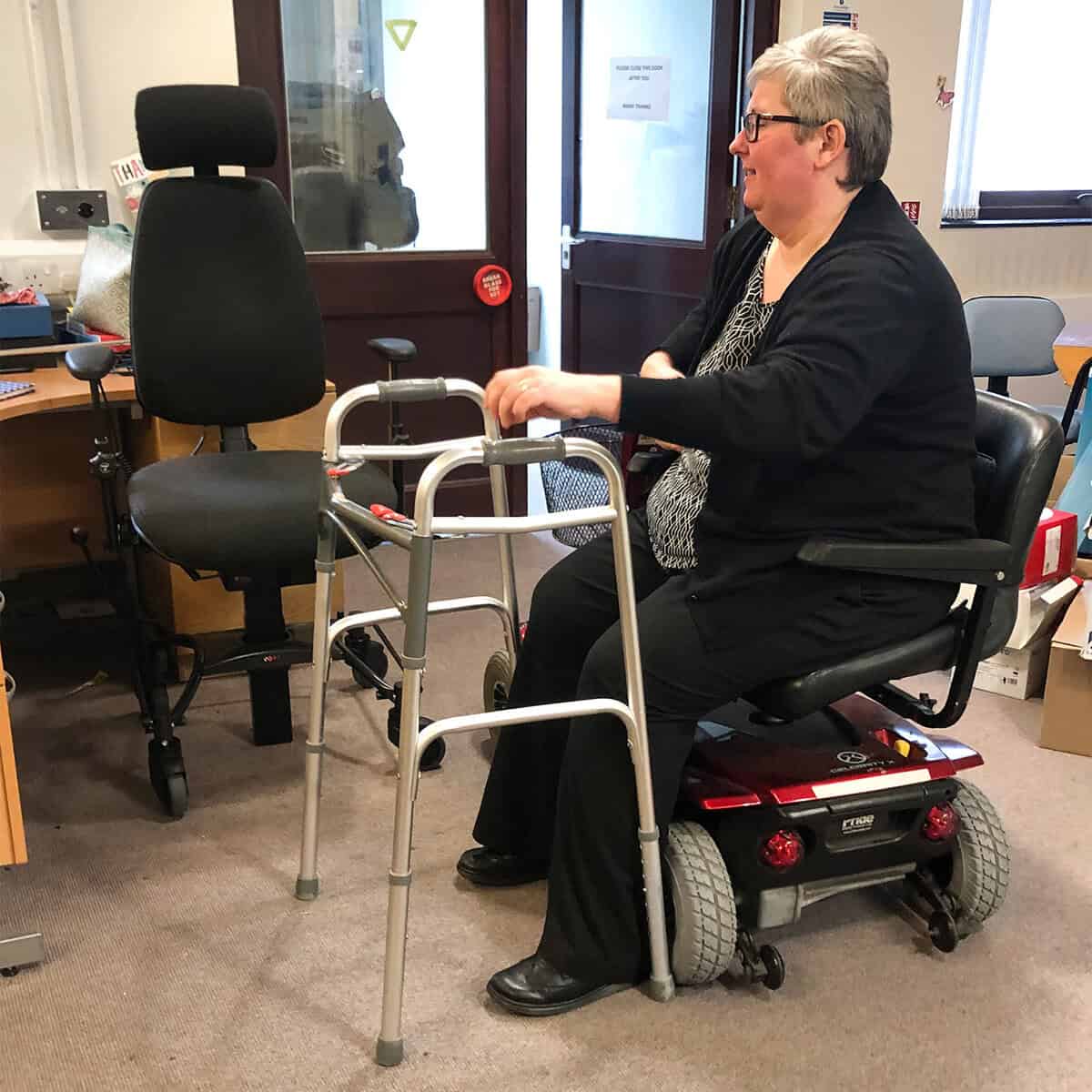
For seniors facing the challenges of aging, maintaining independence at home presents a viable alternative to traditional nursing homes. Solutions like the VELA Independence Chair are designed to offer such support and enhance safety for older adults wishing to remain in their own homes. The VELA chair, a medically approved mobility device, provides increased safety and freedom of movement while seated. It supports daily activities like cooking, dressing, and transferring, reducing the strain on informal caregivers and helping seniors lead more independent lives. By incorporating technology-focused solutions with a commitment to senior safety, these innovations can significantly delay or mitigate the need for an institutional care setting.
Supporting Aging in Place: A Practical Option
For older adults eager to retain their independence, VELA Chairs offer a practical solution that enables them to remain at home longer while maintaining their safety and freedom. Central braking ensures stability and safety, while the electric height-adjustability feature allows seamless transitions between different activities. Imagine starting the day with ease, securely moving from a seated position to prepare breakfast or enjoying a leisurely afternoon with minimal assistance. These features also alleviate the physical and emotional burden on caregivers by providing support for daily tasks.
Life with a VELA Chair means seniors can engage in cooking, cleaning, or simply relaxing with increased dignity, freedom, and energy conservation. While no single solution fits every need, tools like VELA Chairs provide invaluable support to individuals aiming to age in place comfortably and safely. For more insights on safety solutions for elderly mobility, explore Fall Prevention Strategies for Elders to see how such innovations make a significant difference in daily living.