

Updated September 2025: We have updated the article to reflect the latest advancements in assistive technology for senior care, including the integration of AI-powered mobility aids, smart home automation, telemedicine, and remote health monitoring. The update also addresses regulatory trends, ethical considerations, user-centered design, and digital literacy challenges in modern nursing and home-based care.
The Heights Nursing Home: A Comprehensive Overview
The Heights Nursing Home, situated in the heart of Denver, plays a pivotal role in supporting the city’s expanding older adult demographic. Known for its commitment to quality and community, The Heights distinguishes itself in the field of nursing home care. According to Medicare.gov, The Heights holds a two-star rating based on the CMS Five-Star Quality Rating System. This highlights opportunities for improvement while maintaining the trust of the community it serves. With an occupancy rate of approximately 75%—equating to an average daily census of 82.1 residents out of its 110-bed capacity—The Heights remains an integral fixture in Denver’s elder care landscape.
Overview of The Heights Nursing Home: Facility Profile & Services
Strategically positioned in Denver, The Heights Nursing Home provides a spectrum of vital services, including skilled nursing, post-acute rehabilitation, and long-term care. A part of The Heights Post Acute network, the facility has a rich history of compassionate care, meticulously chronicled by sources like Denver City Wire. Testimonials from residents and their families describe a warm environment coupled with dedicated and attentive staff, lending depth to their reputation for improving residents’ quality of life. Personal experiences within the facility often involve cozy communal areas, structured activities fostering social interaction, and individualized care plans tailored to enhance the well-being of each resident.
Quality Ratings, Resident Experience, and Regulatory Findings
The Heights Nursing Home’s CMS rating provides a window into the service quality it offers. As outlined by the CMS Five-Star Quality Rating System, this evaluation involves an analysis of health inspections, staffing levels, and quality measures. Holding a two-star rating suggests areas for growth, yet the facility demonstrates an ongoing commitment to improvement through robust regulatory compliance and targeted enhancements in resident experiences. Industry experts acknowledge that regular inspections underscore the facility’s adherence to health standards, creating an environment of continuous quality improvement.
Cost, Occupancy, and Local Alternatives to The Heights Nursing Home
In terms of financial implications, The Heights Nursing Home aligns with national trends, with monthly costs for skilled nursing facilities ranging from $7,000 to $13,000, subject to regional variations SNFData.com. Occupancy rates around 75% reflect the expanding need for elder care services in Denver. When exploring care options, families often weigh alternatives such as assisted living or home care, each offering unique benefits and limitations. According to Willows Healthcare, while nursing homes provide comprehensive care, other options might offer greater flexibility and potential cost savings, tailored to individual needs and circumstances.
Solutions for Enhanced Independence
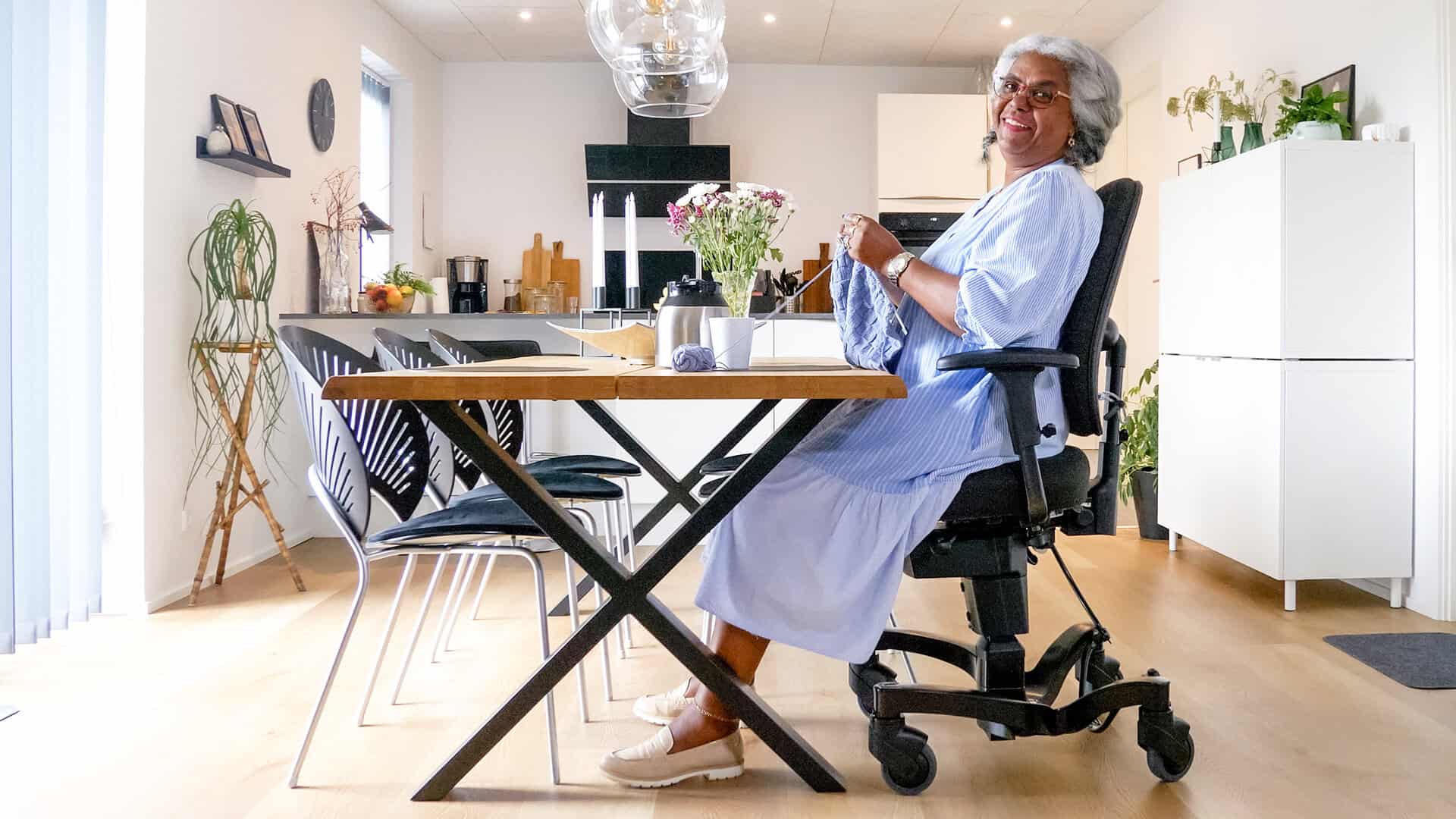
Recognizing the diverse needs of older adults, particularly those striving to maintain independence in their homes, innovative solutions have emerged to address common challenges such as mobility and safety. Recent advances in assistive technology have transformed mobility aids and home care, with AI-powered devices and smart adaptive supports making aging in place more feasible and secure Everything Medical Online. Smart wheelchairs now feature GPS navigation, collision avoidance, and integrated health monitoring that can be customized via voice commands or mobile apps. In addition to traditional mobility solutions, wearable health devices and fall detection systems connect directly to caregivers or emergency services, reducing hospitalization risks Heisinger Bluffs. Telemedicine technologies and remote health monitoring have also become important, allowing residents access to healthcare professionals without leaving their homes, improving outcomes and convenience SynchronyFL. Notably, products like the VELA Independence Chair serve as medically approved mobility solutions intended for home use. These chairs offer enhanced safety through a central brake system, freedom of movement while seated, and support for household activities like cooking, dressing, or transferring, thereby reducing the burden on informal caregivers.
Supporting Aging in Place: A Practical Option
Emerging Technologies, Challenges, and Ethical Considerations
The field of assistive technology is rapidly evolving to address the growing needs of seniors and individuals with disabilities. Recent trends include the widespread adoption of smart home automation—such as voice-activated assistants, automated lighting, medication dispensers, and advanced fall detection systems—that streamline care and improve safety UnitedHealthcare Community & State. AI integration into assistive and mobility devices enables personalized, adaptive support and fosters user independence Let’s Envision. Telemedicine and virtual healthcare services have become integral in senior living communities, boosting access to timely care.
Despite these advances, there are clear challenges. Digital literacy among older adults may impact adoption and effective use, and privacy issues remain a concern with interconnected devices and health data. Furthermore, the cost of cutting-edge technologies can pose barriers for some families and care institutions National Institutes of Health PMC. Regulatory guidance increasingly calls for ethical, standardized design focused on inclusion, accessibility, and user-centered principles PR Newswire. Stakeholder consensus supports investing in staff and resident training and ongoing digital support, ensuring these advancements translate to meaningful improvements in care quality and resident well-being.
Conclusion
The Heights Nursing Home continues to be a cornerstone for quality elder care in Denver. As assistive technology evolves, the integration of AI-powered mobility aids, smart home systems, telemedicine, and remote health monitoring is reshaping what residents and families can expect from both facility-based and home care. While challenges such as digital literacy and cost must be addressed, these advancements promise greater independence, safety, and personalization for all seniors and caregivers involved. Looking ahead, embracing regulatory and user-centered design principles will be key to enhancing care outcomes and maintaining the dignity and comfort of residents in all care settings.