

Updated September 2025: We have updated the article to reflect the latest advancements in AI-powered assistive technology, smart wheelchairs, integrated digital health monitoring systems, and the growing role of smart home environments and robotic companions in senior care. Emerging trends in regulatory policy and best practices are also addressed.
The Reality Behind “The Notebook” Nursing Home: Fiction vs. Fact
The Notebook has captured audiences worldwide with its poignant depiction of enduring love against the backdrop of a nursing home setting. While viewers may yearn to experience this romantic setting, it’s essential to clarify that the nursing home in Nicholas Sparks’ novel and its cinematic adaptation is fictional. The real-world filming location used to create this memorable scene was the Rice Hope Plantation House, situated in Georgetown County, South Carolina. According to Movie Locations, this historic venue on the Black River was transformed to embody the serene retirement vision portrayed in the film.
Though aesthetically compelling, Rice Hope Plantation House is private property, not open to public tours, and does not function as a licensed eldercare facility. Recognizing this distinction helps viewers appreciate the artistry in this choice of setting, while also inviting exploration into the genuine complexities and services provided by operational nursing homes.
Nursing Home Care in Georgetown, South Carolina: What to Expect
For those seeking realistic eldercare options in Georgetown, South Carolina, several reputable facilities provide comprehensive services catering to diverse needs. Notably, the Prince George Healthcare Center, holding a three-out-of-five rating by CMS, specializes in rehabilitation and memory care. According to CMS data, this facility charges an average of $7,500 monthly and maintains a high occupancy rate of approximately 90%.
Similarly, NHC Healthcare Georgetown offers both long-term and respite care facilities, rated four stars by CMS, with an occupancy rate around 85%. The cost here averages $7,200 monthly, reflecting the price variations across senior care facilities in the area. On the premium end, Lakes at Litchfield combines assisted and independent living options, boasting extensive wellness programs with average fees upward of $8,000 monthly.
With Georgetown’s nursing homes reflecting national trends—as reported by Medicare.gov—it becomes evident that demand for quality nursing facilities remains robust, underscoring the importance of weighing services and costs when selecting a suitable senior care environment.
Trends and Challenges in Skilled Nursing Facilities (2025 Update)
As we look toward 2025, the environment within skilled nursing facilities is evolving. The National Investment Center for Seniors Housing & Care (NIC) notes that occupancy rates are on the rise, gradually returning to pre-pandemic levels. Notwithstanding this positive trend, staffing shortages challenge the sector, exacerbated by the increasing care needs of an aging population.
In a proactive development, a 4.2% increase in Medicare payments for skilled nursing facilities has been confirmed for fiscal year 2025, as reported by CMS. These financial augmentations are likely to aid facilities in enhancing care offerings and compliance with regulatory standards. Moreover, innovations leading to tailor-made care models and secure, tech-enabled environments are already transforming resident experiences by deploying advanced technologies and personalized safety protocols.
Recent advancements in assistive technology are significantly impacting senior care environments. AI-powered smart wheelchairs now offer GPS navigation, collision avoidance, voice control, and health monitoring, giving residents greater autonomy and improved safety Everything Medical Online. Smart home assistants—such as Alexa or Google Assistant—and environmental controls help seniors manage lighting, security, and medication adherence, supporting independence and safety within care facilities and homes UnitedHealthcare Community & State. Additionally, wearable health monitors provide real-time tracking of vital signs, enabling early intervention and reducing hospitalization risks Assistive Technology Industry Association Report 2025. Robotic companions and mixed-reality based educational tools are increasingly being introduced to help support cognitive health, skill development, and reduce loneliness Synchrony Financial.
Policy and regulatory frameworks are also adapting, with more streamlined authorization processes and a stronger emphasis on resident-centered care. Efforts in long-term care are increasingly focused on using AI and interoperable digital health systems to efficiently coordinate care and maintain high service quality, even in the face of staffing challenges Provider Magazine, McKnight’s Long-Term Care News.
Exploring Alternatives: Modern Approaches to Senior Living
The challenges faced by traditional nursing homes—from limited staffing to increasing demands—underscore the importance of alternative solutions that empower older adults to remain independent in their own homes. Among the latest assistive approaches, AI-powered smart wheelchairs and integrated digital health monitoring devices provide proactive support and extend autonomy beyond what was previously possible Everything Medical Online. Smart home technologies, including motion-sensitive lighting, environmental controls, and remote monitoring, play a vital role in enhancing safety and convenience for seniors and those with disabilities UnitedHealthcare Community & State.
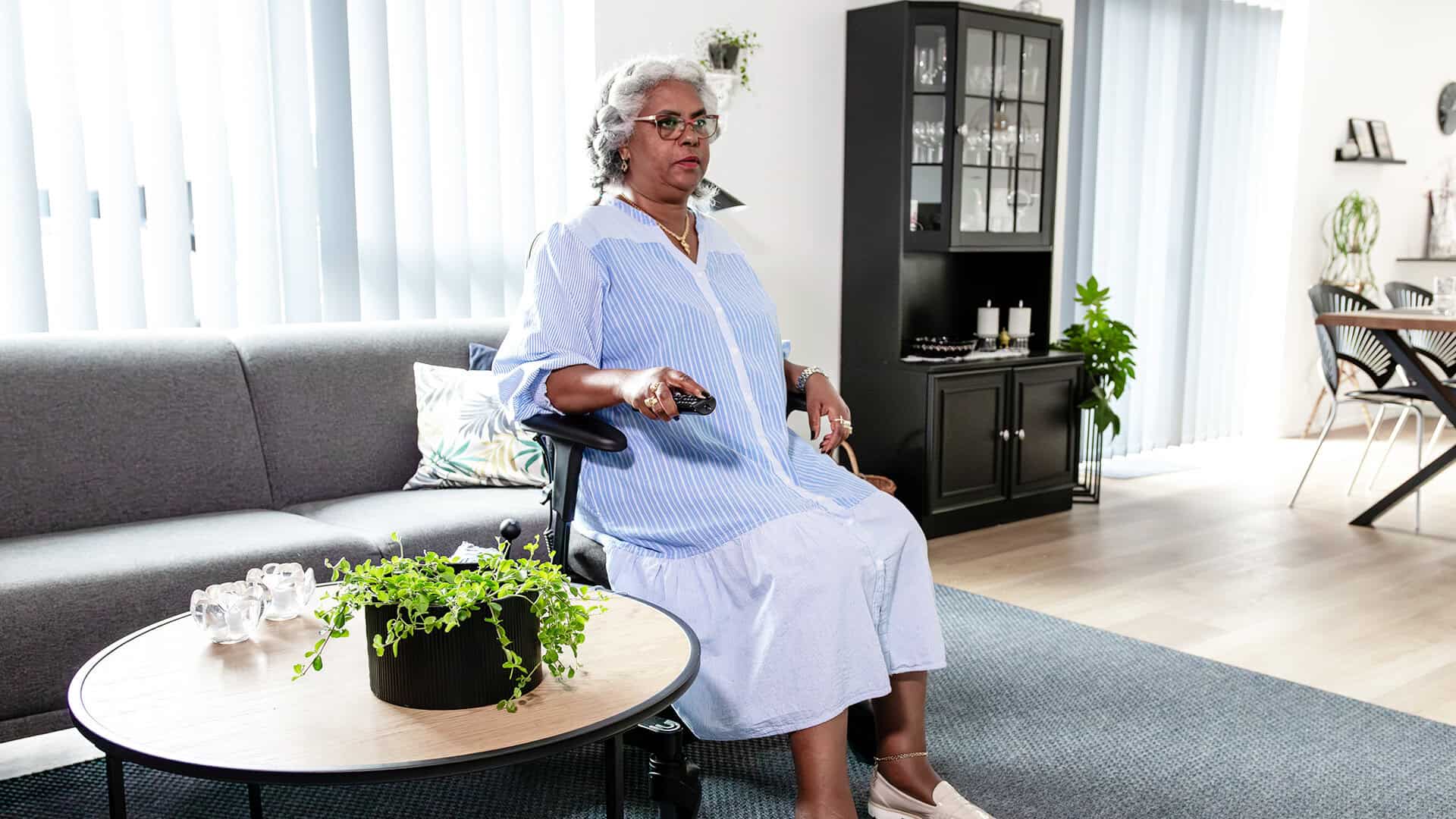
Medically approved mobility chairs, such as VELA, continue to offer enhanced safety, freedom of movement while seated, and support for daily activities such as cooking, dressing, or transferring. These solutions are increasingly compatible with other smart technologies, helping reduce the load on informal caregivers, and supporting an environment where seniors can enjoy greater independence and dignity. Robotic companions and mixed-reality assistive modules also enrich daily living, promote cognitive stimulation, and help address loneliness Synchrony Financial, Assistive Technology Industry Association Report 2025.
When juxtaposing the fictional elegance of The Notebook‘s nursing home with actual facilities in Georgetown, SC, it becomes apparent that diverse eldercare solutions exist to meet a variety of preferences and requirements. Whether opting for a traditional nursing home or exploring innovative alternatives like Mobility Solutions for Elderly, the priority should always be to align care solutions with individual needs and desires. As senior care continues to adapt and innovate, informed decision-making remains imperative to ensure a dignified and enriching aging experience that harmonizes nostalgia with practical realities.
Reducing Caregiver Burden Through Smart Seating
For those aiming to remain independent at home, VELA Chairs represent a practical and effective solution. These chairs are equipped with features designed to enhance safety and simplify daily tasks, such as a central brake for stability and electric height adjustability that aids in transfers. The latest models increasingly incorporate compatibility with smart home technology and monitoring devices, supporting a connected care environment Everything Medical Online. This can make a significant difference in maintaining an active lifestyle, allowing seniors to perform tasks like cooking, cleaning, or simply relaxing more comfortably and securely. The ease of movement while seated can help preserve energy, adding to the quality of life and delaying the possible need for a nursing home. While VELA is not the only option available, it stands as a proven and practical choice, one that blends dignity, freedom, and safety into the daily lives of seniors striving to age in place.