

Updated February 2026: We have updated the article to reflect recent advances in assistive technology for senior and nursing home care, including AI-integrated mobility aids, remote monitoring solutions, predictive health analytics, and smart home devices. These developments highlight shifts toward proactive, personalized care, support for workforce efficiency, and enhanced independence for seniors at The Pearl Nursing Home and alternative care settings.
Exploring The Pearl Nursing Home: Options, Quality, and Care
When searching for a nursing home in Rochester, NY, one often encounters the name “The Pearl Nursing Home,” officially known as The Pearl Nursing Center of Rochester. Conveniently situated on 1335 Portland Avenue in Rochester, this facility is a notable establishment within the community, offering 120 certified beds and an occupancy rate of approximately 89%. According to NYS Health Profiles, it is recognized for being a pivotal part of local elder care, serving as a significant option for families considering housing for their loved ones in need of specialized care.
Overview of The Pearl Nursing Center of Rochester
Located in the vibrant city of Rochester, The Pearl Nursing Center occupies a crucial role amid the larger Monroe County healthcare landscape. Rochester itself is a bustling region, home to over 478,000 residents. This for-profit institution, owned by a collective of stakeholders, prides itself on a longstanding commitment to elder care. However, it faces scrutiny on various quality metrics. According to ProPublica Nursing Home Database, it is owned by a for-profit corporation with five direct owners holding various percentages. Residents’ families often recount its integral presence in providing accessible healthcare, though experiences may vary greatly, highlighting the importance of visiting potential facilities and speaking with staff and residents firsthand.
Quality Metrics and Resident Care Analysis
The Pearl Nursing Center’s staffing metrics are critical for prospective residents and their families to consider. The facility provides 3.41 nursing hours per resident per day, below the state average of 3.7, and has a 57.5% nurse turnover rate (ProPublica Nursing Home Database). Staffing stability is a key concern as it directly affects the quality of care residents receive. Despite holding an overall “F” rating from Elder Guide, individual experiences can vary significantly. Open communication with healthcare professionals and other families can provide valuable insights into the facility’s capabilities and environments.
Services and Specialized Programs
The Pearl Nursing Center offers a comprehensive range of services to cater to residents’ diverse needs. According to Elder Guide, these services include hospice care, respite care, post-acute care, and inpatient rehabilitation. The facility’s specialized care plans aim to enhance life quality for seniors. Family testimonials highlight the importance of the robust schedule of activities and the support of a resident council in fostering a nurturing environment. Realistic scenarios, such as participating in daily activities and building a community with other residents, play a crucial role in enhancing residents’ experiences.
Advances in assistive technology and innovation in elder care
New innovations are increasingly shaping the landscape of resident care and independence. Recent trends for 2026 emphasize the integration of smart, AI-driven technology in mobility aids and care environments. Examples include smart wheelchairs with obstacle detection, voice-activated controls, and real-time health monitoring; sensor-equipped grab bars for bathroom safety; and IoT-connected devices that provide caregivers with real-time alerts (AANP [2]; LeadingAge [5]; Provider Magazine [7]).
Remote monitoring wearables, voice-activated assistants, and predictive health analytics now play a significant role in proactive care, enabling early detection of health changes and supporting personalized, aging-in-place strategies. Facilities are moving toward integrating these systems to support both residents and staff, using AI-based scheduling, predictive risk alerts for fall prevention, and workforce management tools to address staffing shortages. Wearables and smart home devices also enhance family engagement by keeping relatives informed and involved in care plans (AANP [2]; LeadingAge [5]; Provider Magazine [7]).
Advancements in prosthetics, exoskeletons, and brain-computer interfaces continue to support mobility and communication for people with neurological conditions, further enhancing resident independence.
For nursing home decision-makers and families, considering facilities that adopt these advanced, AI-powered solutions enables increased safety, better monitoring, and an improved quality of life. Current best practices highlight the importance of tailoring technology integration to individual resident needs and ensuring regulatory compliance and inclusive design for all users.
Financial Considerations and Insurance Acceptance
The financial aspect of long-term care is a primary concern for many families. The Pearl Nursing Center accepts both Medicare and Medicaid, offering substantial relief regarding insurance compatibility. According to the Centers for Medicare & Medicaid Services, the anticipated 2025 Medicare 4.2% rate increase is expected to affect payment structures, an important factor for prospective residents and their families. Consulting with elder-care financial advisors can ease the planning process, ensuring informed decision-making about the financial implications of long-term care.
Alternative Care Options in Rochester
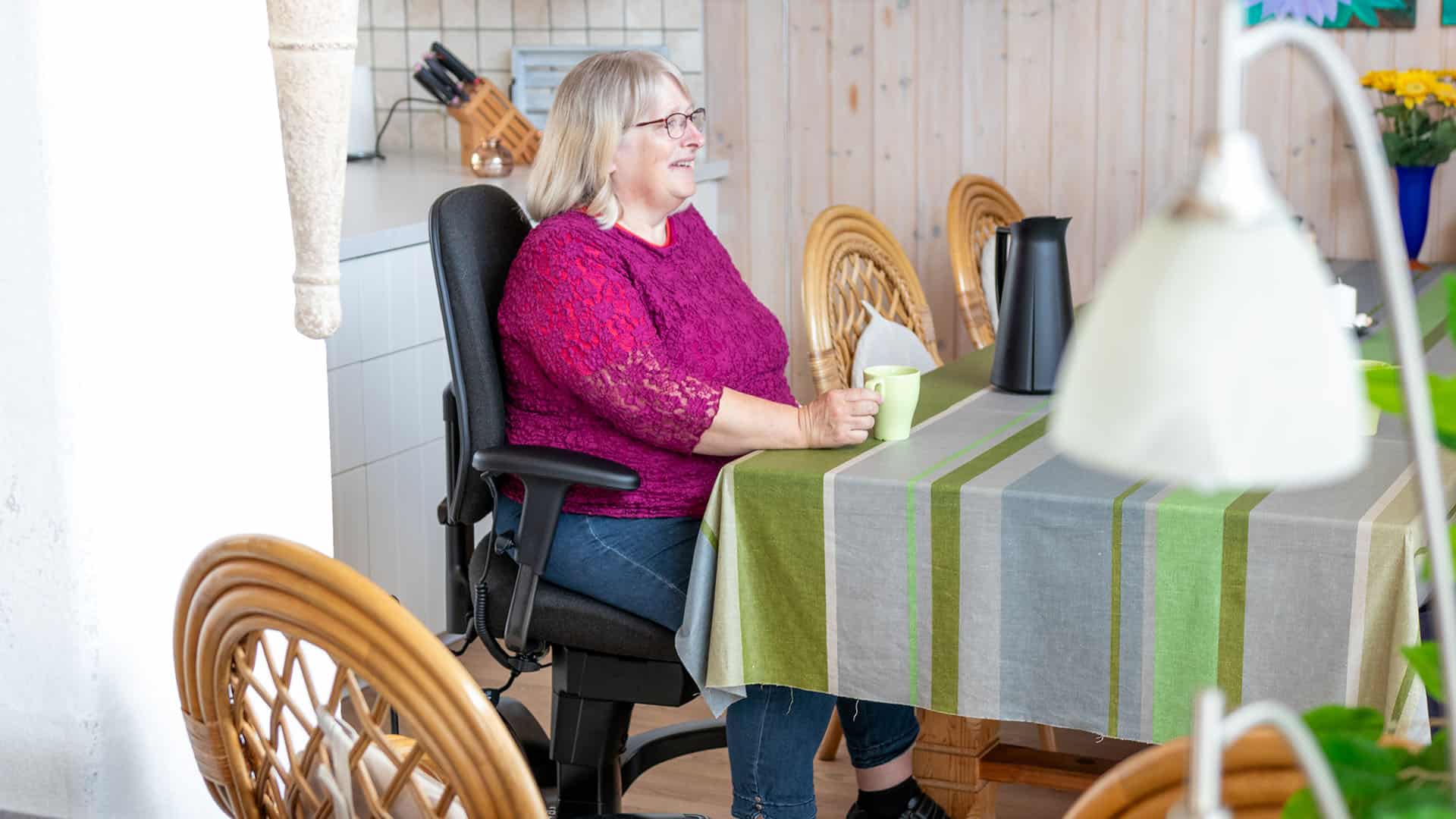
While nursing homes like The Pearl Nursing Center play a pivotal role in elder care, they are sometimes confronted with challenges such as staffing instability and varying quality metrics. These issues prompt families and seniors to explore alternatives that allow older adults to remain safely in their own homes. One innovative solution is the VELA Independence Chair, a medically approved mobility aid that offers enhanced safety and freedom. These chairs are designed to support seniors in their daily activities, such as cooking, dressing, or transferring, while reducing the load on informal caregivers. By promoting home-based independence, VELA chairs present a compelling alternative to traditional nursing home care.
Exploring Alternatives to Nursing Homes
Mobility solutions like VELA Chairs play a significant role in enabling seniors to maintain independence longer while aging in place. These chairs boast features that directly address common issues faced by the elderly, such as improving safety through a central brake system and enhancing mobility with electric height adjustability. By allowing for easier movement while seated, these chairs can delay the need for a nursing home, affording seniors the dignity and freedom to manage everyday activities like cooking and cleaning. Adopting a VELA Chair can make daily life at home more manageable and energizing, offering peace of mind to both the user and their loved ones. While not a one-size-fits-all solution, VELA Chairs have proven to be a practical choice for many families seeking Senior-Friendly Mobility Options and Enhancing Mobility at Home.
When considering options for elder care, whether through traditional setups like The Pearl Nursing Center or alternative systems such as those offered by VELA, the focus remains on maximizing comfort, safety, and independence for seniors. Understanding each unique need and exploring all possibilities ensures the best outcomes for elderly individuals and their families.