

Updated September 2025: We have updated the article to reflect recent advances in AI-powered assistive devices, smart wheelchairs, robotic exoskeletons, enhanced integration with smart home systems, and improved funding access. These innovations are reshaping senior care in nursing homes and at home, emphasizing more user-centered, adaptable, and accessible mobility solutions for seniors in The Villages.
The Village Nursing Home Experience in The Villages, Florida
Nestled in central Florida, The Villages is renowned for being a vibrant retirement community. Seniors are drawn here by its plethora of amenities and favorable climate. According to the U.S. Census Bureau, the 2020 census reported a population of 79,077 residents, reflecting a significant demand for senior-focused services, including nursing homes. This demographic makeup positions The Villages as a leading destination for individuals seeking a comfortable retirement alongside necessary healthcare support.
Within The Villages, several nursing home options cater to the health needs of the aging population. Notably, the Villages Healthcare And Rehabilitation Center provides comprehensive services tailored to elderly residents. These facilities offer a range of services from skilled nursing to rehabilitation, and residents benefit from personalized care plans ensuring round-the-clock attention. Families frequently share testimonials praising the compassionate staff and holistic care, boosting the facility’s credibility.
Comparing Costs and Services: A Financial Overview of The Villages’ Nursing Homes
Understanding the financial aspects of nursing home care is essential for seniors and their families. Costs can vary significantly between facilities. According to Florida Health Finder, Village Place Healthcare and Rehabilitation Center charges around $495 per day. Most facilities accept Medicare and Medicaid, offering some relief through insurance coverage. However, it is crucial to grasp the billing processes and potential out-of-pocket expenses. Real-life examples from residents highlight the complexities involved in navigating insurance claims and reimbursements.
Understanding Resident Demographics and Care Needs
Nursing homes in The Villages serve a predominantly older demographic, with a high prevalence of female residents. Based on data from the National Investment Center for Seniors Housing & Care, the average age skews towards those 85 and older, many of whom face specific health conditions such as Alzheimer’s. Care needs often include mobility assistance and daily living support, necessitating specialized services and equipment to ensure resident safety and quality of life.
SeniorLiving.org reports that residents often require substantial support with daily activities such as walking and bathing, a trend reflective of broader senior care needs. With the increasing demand for personalized resident care and the challenges nursing homes face in providing consistent mobility assistance, enhancing senior independence at home emerges as a viable solution. Here, products like VELA chairs can play a pivotal role.
2025 Outlook: Trends and Innovations in Nursing Homes at The Villages
Looking forward, nursing homes in The Villages are expected to undergo significant changes, driven by innovations in care techniques and an evolving understanding of aging healthcare needs. National trends indicate a steady rise in nursing facility occupancy, with projections for continued growth by 2025. Insights from NIC Industry Analysis and ACPlus Industry Insights reveal emerging trends, highlighting the need for adaptive solutions that address staffing challenges and the specialized needs of an older population.
Major technological advancements are reshaping assisted living and nursing home care. These include the integration of AI-powered smart wheelchairs, providing features such as autonomous obstacle navigation, health monitoring, and voice or gesture controls. Robotic exoskeletons now offer improved mobility options for residents with severe disabilities, enabling greater independence and functional movement. Additionally, smart canes and wearable devices equipped with GPS, obstacle detection, and real-time health tracking are enhancing resident safety and daily activity support.[1][2][3][5][6]
Facilities are also increasingly adopting smart home and IoT technologies that empower seniors to control their environment—such as lighting, temperature, and door access—using voice commands or mobile apps. These systems help reduce reliance on staff for routine tasks, making life easier for both residents and caregivers. Furthermore, new ergonomic and customizable assistive input devices are improving usability for individuals with dexterity impairments, offering a more comfortable and adaptive experience.[2][4][7]
Improved funding frameworks and regulatory support are expanding access to these advanced technologies, making them more affordable and available within nursing homes. Experts highlight the value of these user-centered innovations—not only for improving care quality and independence but also for facilitating timely interventions to prevent complications such as pressure sores. User feedback and clinical studies demonstrate that this technology-healthcare ecosystem results in greater satisfaction and better health outcomes for older adults.[3][5][7]
In conclusion, navigating nursing home options in The Villages involves weighing care quality against economic considerations. Facilities like the Villages Healthcare And Rehabilitation Center offer vital services tailored to the community’s unique needs. As the industry progresses, incorporating innovative solutions such as VELA chairs, AI-powered mobility aids, and smart home integration can enhance independence and overall quality of life for seniors, while nursing homes remain a cornerstone of eldercare. Exploring these enhancements empowers seniors and their families to make informed choices, promising dignity and improved living conditions.[1][2][3][4][5][6][7]
Supporting Aging in Place: A Practical Option
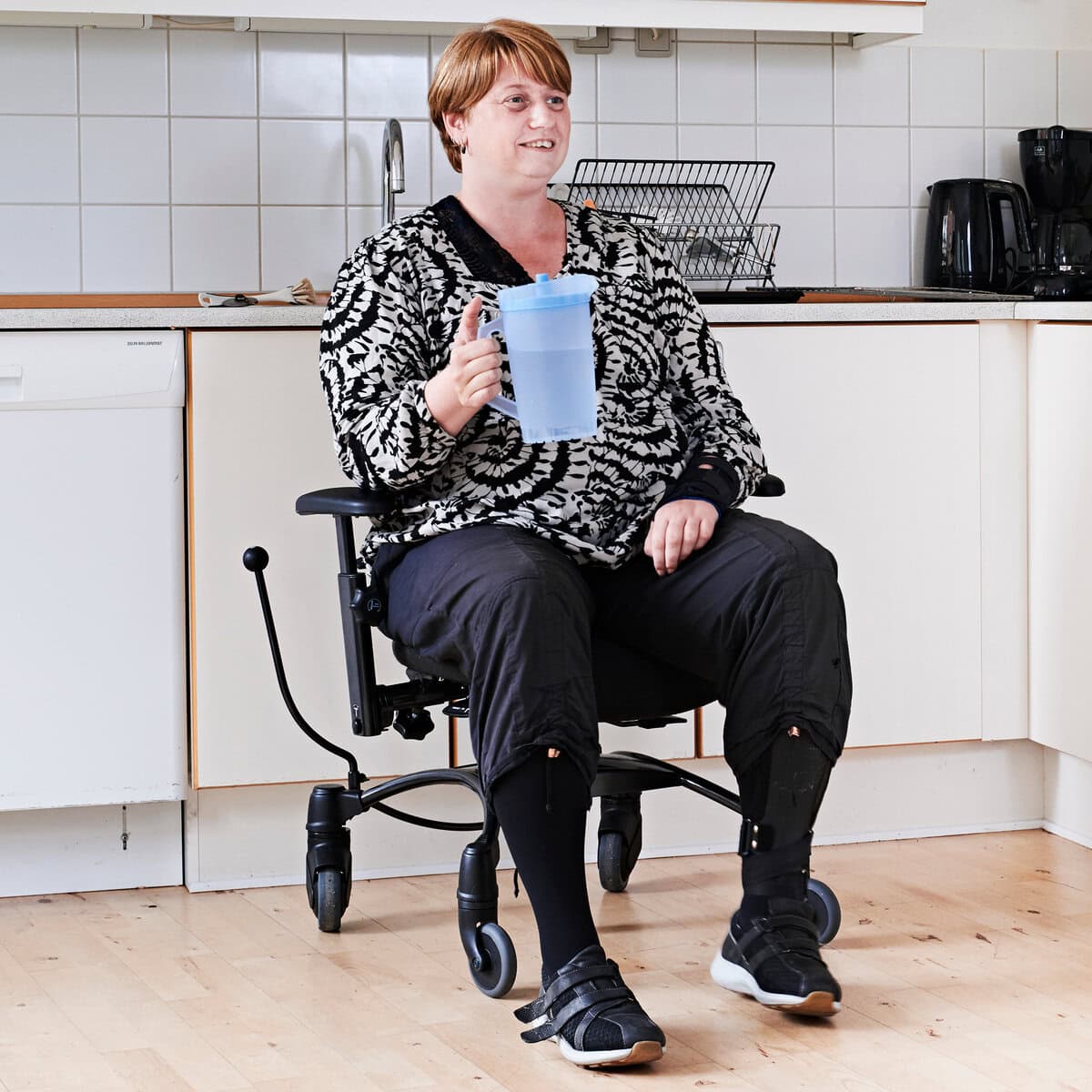
Staying independent at home is a pivotal goal for many seniors, and mobility solutions like VELA Chairs significantly contribute to this aspiration. These chairs are designed with features that address critical senior care challenges such as safety, energy conservation, and ease of movement. The central brake feature adds a layer of security, while the electric height adjustability transforms everyday activities like cooking or transferring into less strenuous tasks. Recent innovations in assistive devices—such as AI-powered wheelchairs, wearable sensors for health tracking, smart canes, and environmental control through smart home integration—bolster these advantages. By facilitating energy-saving movements, offering personalized monitoring, and providing seamless transitions from sitting to standing, these technologies can effectively delay or even prevent the need for nursing home admission.[1][2][5] In a household setting, they not only preserve the dignity and autonomy of seniors but also lighten the physical demands on caregivers. Though VELA Chairs and advanced mobility aids are not the sole solution, they represent proven, practical options for enhancing life at home for many elderly individuals. For more details about the benefits of VELA Chairs, check out Senior Chair Solutions.
References
- Keyway Medical: Innovations in AI-powered mobility aids, smart wheelchairs, and exoskeletons enhancing safety and independence (2025)
- TomCare Australia: Assistive technologies integrating smart home systems, AAC devices, and wearable health monitors (2025)
- PubMed Central: Research survey on user-technology integration in powered wheelchairs, prosthetics, FES, and exoskeletons
- Equal Accessibility LLC: Overview of assistive software and ergonomic adaptive devices improving accessibility
- Ability Montana / AbilityMT: Insights into smart wheelchair upgrades, autonomous navigation, and funding resources (August 2025)
- PR Newswire / Technavio: Market forecast and AI impact on assistive technology including orthopedic and neurological aid devices (2025)
- Assistive Technology Industry Association (ATIA) Journal: Outcome studies on novel assistive devices including obstacle-detecting eyewear and behaviorally integrated solutions (Spring 2025)