

Updated September 2025: We have updated the article with new findings on AI-powered smart assistive devices, the use of smart beds and real-time health monitoring in nursing homes, recent regulatory and quality reporting changes by CMS for 2025, and developments in enabling technologies that support independent living and care quality.
The Woodlands Nursing Home: An In-depth Look at the Healthcare Center
When searching for nursing homes in The Woodlands, Texas, one prominent facility that often surfaces is The Woodlands Healthcare Center. This center, located in the suburban oasis of The Woodlands, is embedded within a vibrant community boasting a population of around 117,000 residents. Known for its welcoming environment, The Woodlands is a supportive backdrop for retiring seniors, with a median age of 40.5 years and a community rich in diverse ethnic compositions.
Inside The Woodlands Healthcare Center: Facility Profile and Community Impact
Located at 4650 S. Panther Creek Dr., The Woodlands Healthcare Center is a non-profit nursing home facility managed by Regency IHS of Spring LLC, showing commitment to quality care under community-focused management since 2018. The facility plays a significant role within the local healthcare network, being close to top-tier hospitals like Houston Methodist The Woodlands Hospital and Memorial Hermann The Woodlands Medical Center. Equipped with 211 certified beds, it operates with an average occupancy of around 61.07%, highlighting opportunities for new residents. Resident testimonials frequently highlight the facility’s community involvement and supportive environment.
Evaluating Quality: Ratings and Performance at The Woodlands Healthcare Center
Quality metrics are critical when deciding on a nursing home. According to Elder Guide, The Woodlands Healthcare Center has an overall “C” grade, suggesting areas for improvement. The facility provides 3.09 nurse hours per resident per day, which is slightly lower than the Texas average of 3.4 hours. Nonetheless, The Woodlands Healthcare Center’s commitment to safety and quality of care is demonstrated through ongoing endeavors to meet and exceed state and national standards. The center continuously refines its operations based on feedback and inspection data from sources like Medicare.gov to ensure resident safety and well-being.
The Woodlands Healthcare Center continues to integrate updated technology and comply with evolving regulatory requirements. As of 2025, nursing homes are adopting advanced solutions such as AI-powered smart wheelchairs offering real-time health monitoring and enhanced safety features, and smart beds equipped with sensors to track patient movement, vital signs, and fall or pressure ulcer risks. The use of portable wireless monitors also supports continuous supervision, enabling preventive interventions and contributing to higher care quality.Everything Medical Online WGU Blog
The Centers for Medicare & Medicaid Services (CMS) revised its guidance for nursing home surveyors in 2025, with new policies to improve resident transfer rights, stricter oversight on the use of medications including psychotropics, increased staffing requirements, strengthened prevention of inappropriate discharges, and sharper focus on health equity. New admissions contracts cannot require third-party guarantees, and CMS will begin publishing additional performance metrics to support more transparent quality reporting.Sandberg Phoenix Paltmed.org The Consumer Voice Health Industry Washington Watch
Understanding the Costs: Financial Considerations for Families in The Woodlands
Financial considerations are paramount for families assessing nursing home care options. In The Woodlands, the cost for private rooms aligns with national averages, approximately $116,800 annually, while semi-private accommodations come at roughly $104,025 per year. According to Genworth Cost of Care Survey 2023, these numbers reflect the center’s pricing strategy, which appeals to The Woodlands’ economic landscape, given the median household income of $141,353. Families are advised to consider potential financial aid and insurance options, which can significantly alleviate financial burdens. It is beneficial to assess long-term costs versus savings from alternative care options.
Prioritizing Care: Staffing and Resident Support at The Woodlands
The cornerstone of quality care at The Woodlands Healthcare Center is staffing. The center maintains staffing ratios designed to enhance personalized attention, with staff undergoing regular professional development to keep skills aligned with residents’ varied needs. Specific programs, such as memory care support and occupational therapy, enhance the experience of residents. First-hand accounts from families and residents emphasize the compassionate support provided, reinforcing the center’s reputation as a haven for quality elder care.
Modern staffing approaches are further enhanced by the integration of enabling technologies and updated protocols. Remote monitoring of health status, sensor-based beds, and portable monitors allow care teams to identify health changes early and intervene proactively, supporting residents in a safer, more responsive environment.WGU Blog
Supporting Aging in Place: A Practical Option
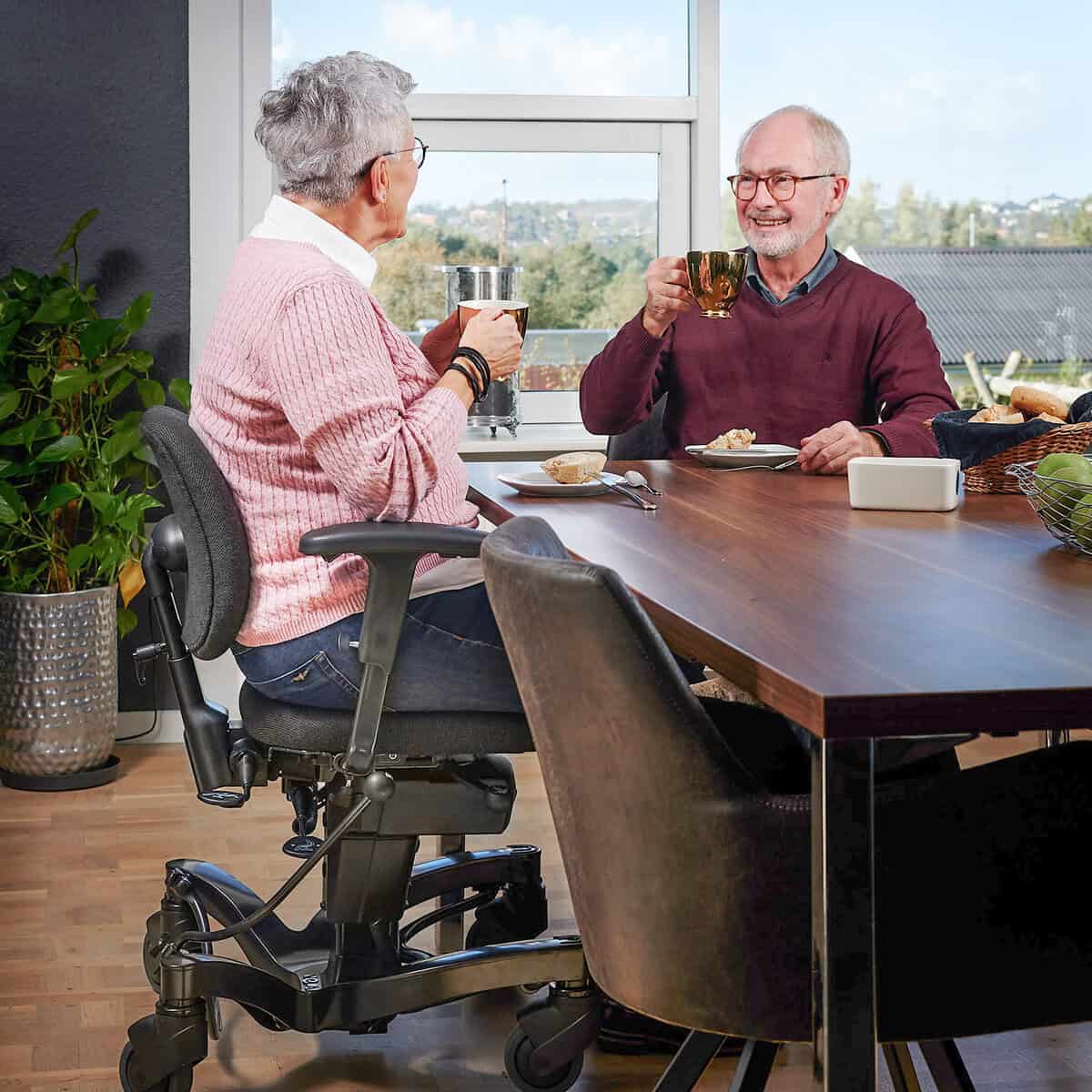
Meeting the challenges faced by nursing homes, such as maintaining safety while fostering independence for seniors, involves exploring various solutions. According to VELA Chairs, one innovative approach is facilitating elderly independence in their own homes to delay or prevent the need for nursing facility care. This can be achieved by introducing home-use mobility aids like the VELA Independence Chair. VELA is a medically approved mobility chair designed to provide enhanced safety, freedom of movement while seated, and support for daily activities like cooking, dressing, or transferring. Its features can reduce the physical demands on informal caregivers, offering them much-needed relief while allowing seniors to maintain autonomy.
Introducing mobility solutions, such as VELA Chairs, offers older adults an effective way to remain independent at home, potentially extending the period before nursing home admission becomes necessary. The chairs are equipped with features tailored for the elderly, including a central brake for safety, electric height adjustability for ease of transfers, and maneuverability while seated. These innovations not only contribute to greater safety and reduced fall risks but also support seniors in activities like cooking and relaxing, ensuring everyday tasks are manageable and less taxing.
Enabling technologies—including smart locks, remote monitoring, and customizable tech-based solutions—are increasingly used both in home and within nursing facilities. These advances serve to empower aging adults and individuals with disabilities to maximize independence, reduce caregiver burdens, and support a safe, high-quality living environment.UnitedHealthcare