

Updated September 2025: We have updated the article with new findings on AI-powered and smart assistive technology, advances in rehabilitation practices, the integration of mainstream smart home interventions, and regulatory changes impacting person-centered care in nursing homes and community settings.
About Timberwood Nursing and Rehabilitation Center
Timberwood Nursing and Rehabilitation Center, located at 4001 Hwy 59 North, Livingston, Texas, is a government-owned facility operated by the Liberty County Hospital District No 1. Managed by Livingston Care Associates, Inc. since May 2015, Timberwood has established itself as a vital resource for senior care in the community. Known for its dedication to resident-centric care, the center accommodates up to 120 residents with various needs, ensuring a wide spectrum of health requirements are met. The facility typically hosts 85 residents daily, fostering a community-like atmosphere that encourages socialization and comfort.
The center’s ambiance benefits from communal living spaces, where residents can engage in activities such as group exercises, arts and crafts, or simply enjoy the company of each other in the common areas. According to Medicare.gov, Timberwood’s amenities and care model are structured to deliver not just physical care but also emotional and mental support.
Quality of care and staffing
Quality of care is one of the primary pillars at Timberwood. The facility provides an average of 3.21 nurse hours per resident each day. Although slightly below the state average of 3.4 hours, this staffing level supports a robust commitment to patient care. The nurse turnover rate at Timberwood is 40.5%, which is notably lower than the Texas state average of 52.9%, indicating relative staff stability. Such stability often results in stronger resident-staff relationships, leading to trusted care and a more personalized experience for residents. According to ProPublica Nursing Homes Database, Timberwood’s adherence to safety and health regulations is evidenced by their zero-penalty record over the past three years, underscoring their compliance and commitment to safe and effective care.
Recent advances in nursing home operations have also included a focus on technology-enabled, person-centered care, as well as regulatory changes designed to reduce administrative burden and improve quality of life. The integration of smart assistive technologies, such as AI-powered mobility devices and in-room health sensors, supports both autonomy and safety for residents, while new policies help staff focus on delivering individualized care without unnecessary bureaucracy. Nursing Home Industry Outlook
Services and rehabilitation programs
Timberwood’s in-house therapy program distinguishes itself by offering comprehensive and individualized rehabilitation services. The therapy team is composed of full-time staff members, ensuring consistent and continuous care unlike facilities that utilize external contractors. This model enhances the synergy between therapists and the medical staff, promoting holistic care approaches.
The therapy services at Timberwood include physical therapy, occupational therapy, and speech therapy, equipped with state-of-the-art equipment for optimal patient outcomes. Custom treatment plans are crafted to support each resident’s recovery and rehabilitation goals, whether it’s improving mobility, enhancing speech capabilities, or accomplishing daily living activities independently. According to Seniorly, these collaborative efforts frequently result in improved mobility and patient satisfaction.
Rehabilitation practices increasingly integrate advanced assistive technologies, including smart and AI-powered mobility aids like wheelchairs with GPS navigation, collision avoidance systems, health monitoring sensors, and voice-control features. These innovations foster greater autonomy in rehabilitation and daily routines. Powered exoskeletons now contribute to both rehabilitation and mobility for residents with complex needs, supporting not only physical health but also psychological well-being, even for those requiring palliative care. Additionally, devices such as grab bars and virtual reality systems are being used to improve both safety and comfort for individuals at all care stages, with a growing emphasis on maintaining dignity and independence.
Sources: Latest Trends in Mobility Aids; Assistive Technologies for Advanced Disease and Palliative Care
Admission process and payment options
Navigating admissions and financial planning can be complex for families. Timberwood Nursing and Rehabilitation Center offers clear guidance and support to facilitate this process. The facility accepts both Medicare and Medicaid and works with various other insurance providers to create flexible payment solutions tailored to each individual’s situation. The admission process is designed for clarity and ease, with staff available to help new residents and their families every step of the way, from initial inquiry to move-in. Families have noted that Timberwood’s comprehensive approach to admissions significantly alleviates the stress often associated with transitioning to a care facility.
Today, financing options increasingly encompass assistive technology and enabling devices, especially as Medicaid and similar programs expand coverage to include smart and connected technologies that support aging in place or independent living within a care setting. Enabling Technology Transforming Home-Based Care
Timberwood Nursing and Rehabilitation Center is committed to delivering high-quality, compassionate care, playing a significant role in the Livingston community. With a strong emphasis on therapy and personalized care plans, Timberwood ensures residents receive the specialized support they need. While traditional nursing home care provides valuable services, incorporating alternative solutions like innovative mobility aids can further enhance residents’ independence. Families are encouraged to consider all available options, including adopting tools such as VELA.
Staying independent at home with support
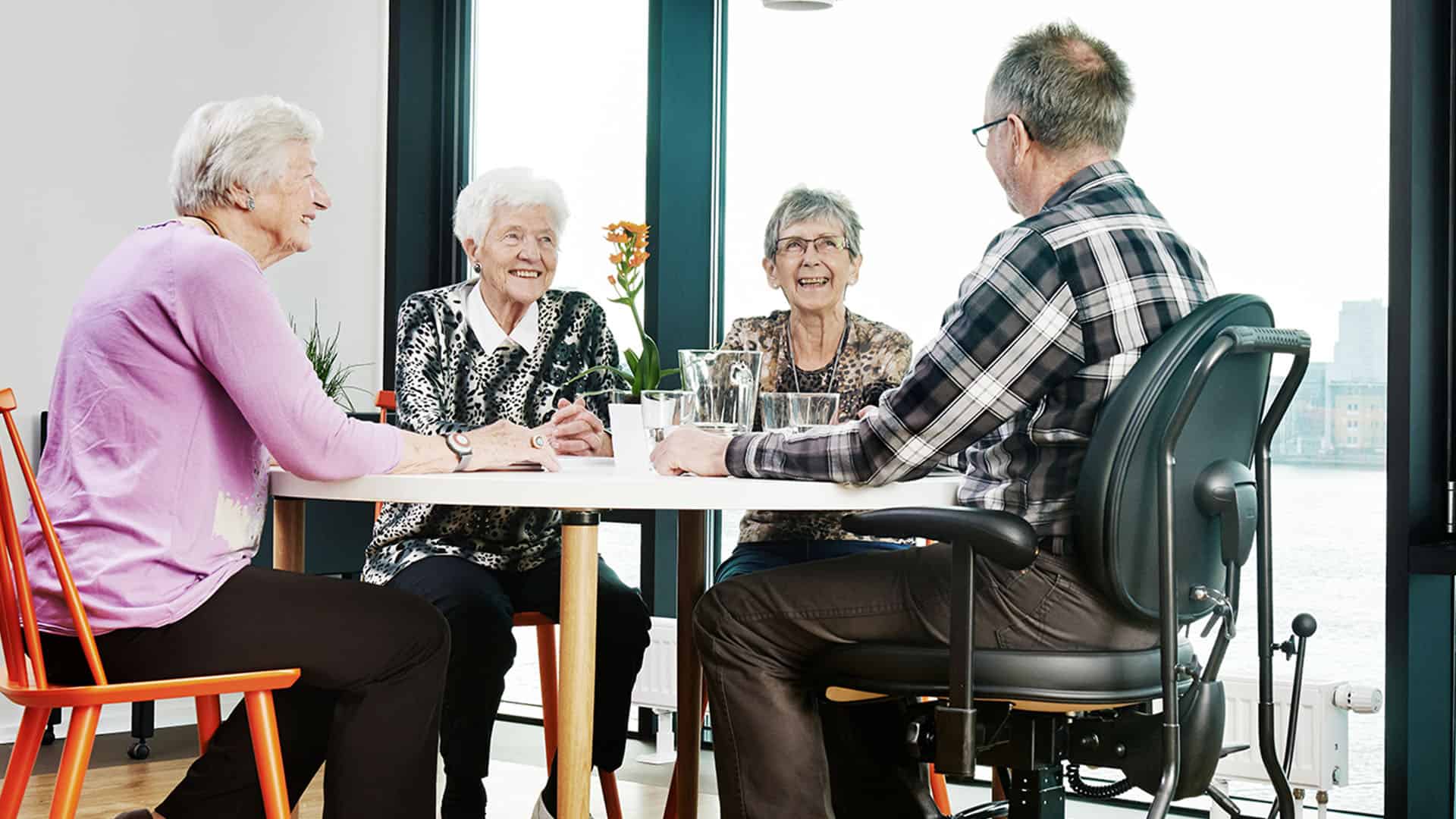
Many families seek solutions that allow their loved ones to maintain independence while aging at home. Products like the VELA Independence Chair serve this need by providing features that address common challenges faced by older adults, such as safety, energy conservation, and ease of transfer. The VELA Chair is equipped with a central brake for enhanced stability, electric height adjustability, and the ability to move smoothly while seated. These attributes not only bolster safety but also help individuals preserve energy, prolonging their ability to engage in daily activities like cooking, cleaning, and relaxation without assistance. Furthermore, these features can delay the transition to a nursing home by fostering independence in the home environment. While VELA is not the only solution on the market, it stands out as a practical option that supports aging in place and enhances overall quality of life by promoting dignity, freedom, and safety. For further insights into how mobility solutions can enhance life quality in care settings, visit Improving Life Quality in Residential Care.
Rapidly advancing enabling technology also allows those preferring home or community-based living to benefit from remote monitoring, smart locks, and connected devices. Off-the-shelf smart home products, including voice-activated apps and robust Wi-Fi, have proven effective for individuals with complex disabilities. These tools, if personalized and contextually selected, can foster functional independence as well as reduce caregiver strain. For residents with mild cognitive impairment, platforms such as TV-AssistDem leverage smart TVs to facilitate social communication and remote support, further improving well-being and usability in the home environment.
Sources: Mainstream Smart Home Technology Interventions; Smart TV for Cognitive Support