

Updated September 2025: We have updated the article with new findings on AI-driven and technology-enhanced care in nursing homes, wellness-focused ergonomic design, evolving regulatory and value-based care models, and trends toward greater resident autonomy and flexible living options for seniors.
Tolstoy Nursing Home: A Community-Centric Approach to Cultural Senior Care
When selecting a nursing facility that caters to specific cultural and linguistic needs, Tolstoy Foundation Rehabilitation and Nursing Center stands out. Nestled in Valley Cottage, New York, this institution upholds a strong commitment to serving Russian and Slavic-speaking populations—a mission deeply embedded in its history and operations. Recognized for exceptional care and a unique cultural focus, the center offers a homelike environment that supports both the physical and emotional well-being of its residents.
According to ProPublica Nursing Home Database, this nonprofit facility operates with 96 certified beds and maintains an impressive daily occupancy rate ranging from 72 to 103 residents. The demand is driven by its distinguished cultural services and quality care, as evidenced by high vaccination rates—93.2% for flu shots and 100% for pneumonia vaccines among short-stay residents—indicating a proactive approach to healthcare.
A Deep Dive into Tolstoy Foundation Rehabilitation and Nursing Center
Founded to preserve cultural heritage while delivering top-notch geriatric care, the Tolstoy Foundation Nursing Home’s rich history reflects in every aspect of its operations. Situated in the serene neighborhood of Valley Cottage—a community with approximately 9,293 residents—this facility deftly balances tradition with modern care practices.
Among its enhanced features are ground-level rooms for easy access, and a Resident Council promoting active participation in decision-making. Such initiatives highlight the facility’s dedication to resident-centered care. Modern advancements have also seen the integration of technology-enabled solutions, such as AI-driven health monitoring, virtual reality for cognitive stimulation, and advanced ergonomic mobility aids, supporting not only residents’ physical health but also their cognitive and social well-being.[1][2][4][6] These efforts, combined with a family-like atmosphere that celebrates cultural identity, have secured the home’s reputation as a cornerstone for specialized care in the community.
Ensuring Quality Care and Enhancing Resident Experience
Tolstoy Foundation Nursing Home prioritizes comprehensive, quality care. Although it holds a two-star staffing rating, which suggests a need for improvement, the center emphasizes resident satisfaction through personalized care and safety measures that are critical to supporting quality of life.
According to Medicare.gov, maintaining high standards in safety and infection prevention is a priority. The facility aligns with national safety metrics and surpasses them in terms of vaccination effectiveness, ensuring personalized attention meets every resident’s needs and fosters trust and satisfaction.
Recent trends in senior care highlight the shift toward value-based models, focusing on outcome-driven care rather than traditional custodial approaches. Industry experts advocate for environments designed with wellness as a priority, employing natural lighting, ergonomic furniture, and adaptable spaces to foster autonomy and reduce barriers to mobility.[1][2][4][6] Multidisciplinary teams now commonly deliver care that integrates physical, cognitive, and social rehabilitation both inside the facility and for residents who choose to engage from home.
Comprehensive Services and Specialized Programs at Tolstoy
Central to the offerings at Tolstoy Nursing Home are services crafted for Russian and Slavic-speaking residents, ensuring an unparalleled level of cultural sensitivity. Language-specific care options help overcome barriers that might exist in more conventional settings.
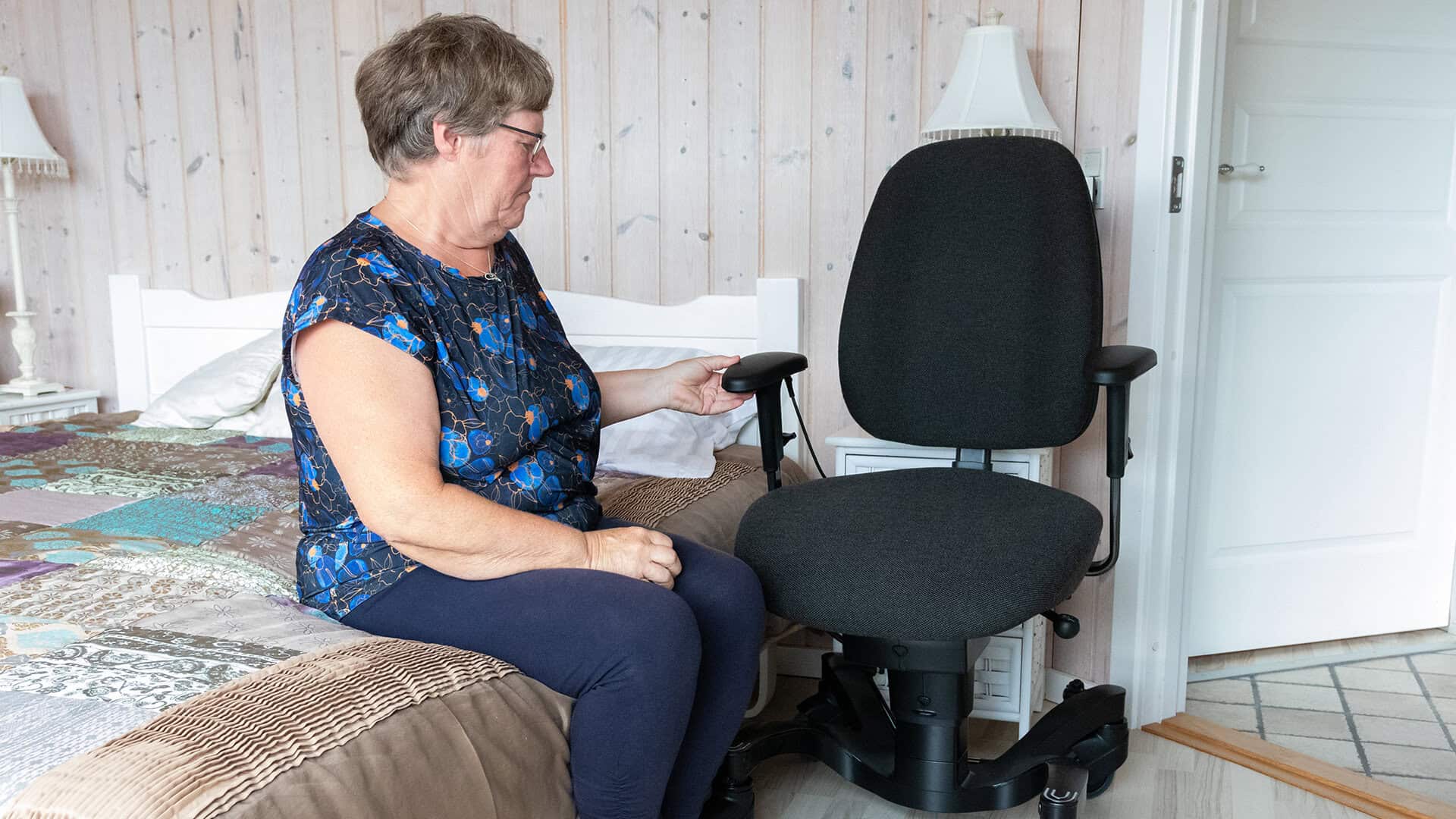
Recognizing the challenges in nursing homes, such as staffing shortages and the need for personalized care, innovative solutions are essential for enhancing resident well-being. In line with sector-wide trends, the adoption of AI-driven monitoring and rehabilitation tools, as well as technology-based cognitive programs like virtual reality, provide residents with modern supports that complement cultural care.[1][2][4][6] For older adults who choose to remain independent in their own homes, one viable option is the VELA Independence Chair. This medically approved mobility chair is designed for home use, providing enhanced safety and freedom of movement while seated. It supports daily activities such as cooking, dressing, or transferring, reducing the load on informal caregivers and promoting autonomy.
Navigating Costs and Occupancy at Tolstoy Nursing Home
Understanding the financial landscape of senior care is crucial for families. While specific costs for Tolstoy are undisclosed, typical expenses for skilled nursing in the New York metropolitan area range from $12,000 to $14,000 per month for a semi-private room, based on industry standards.
Options for financial assistance, including Medicare and Medicaid participation, offer families peace of mind to make informed decisions. Tolstoy maintains an occupancy rate reflective of national averages—at 84.5%—demonstrating its capability to meet community needs effectively.
The Tolstoy Foundation Rehabilitation and Nursing Center exemplifies culturally focused, quality senior care. By combining personalized attention with robust community involvement and a commitment to empowering resident choice and voice, it ensures a dignified and supportive environment for its residents.[2][3][6]
With increasing availability of home-based care solutions like VELA chairs, families have more options when planning for their loved ones’ futures. Shifts in the landscape of senior living now include hybrid and middle-market models that blend independence with on-demand support, addressing the needs of not only older adults but also younger and solo seniors seeking flexible support.[3][4] Whether through a nursing facility or home care, the primary goal remains consistent: delivering dignity, comfort, and exceptional quality of life for seniors.
Supporting Aging in Place: A Practical Option
Staying independent at home as long as possible is a cherished goal for many seniors. Mobility solutions such as the VELA Independence Chair offer practical support in achieving this aim. Designed to enhance safety, this chair includes a central brake and electric height adjustability, addressing key concerns like falls and the strain of daily tasks. It allows users to move effortlessly while seated, making it easier to engage in everyday activities, whether cooking in the kitchen or simply relaxing. By reducing physical exertion and caregiver burden, a VELA Chair can delay the need for a nursing home. As part of a broader range of solutions to support aging in place, it fosters dignity and freedom for older adults. While VELA chairs are not the only option available, they are a proven choice for those seeking to maintain their independence at home, enhancing quality of life for seniors and peace of mind for their families. For further insights into improving senior independence through adaptive seating, explore mobility solutions for seniors.
References:
- MakeShift Blog, “56 Top Nursing Home Trends & Statistics of 2025” [1]
- Provider Magazine, “Long Term Care 2025 Trends and Outlook” [2]
- Align Senior Care, “Senior Living Trends 2025” [3]
- Health Dimensions Group, “2025 Top Trends in Aging Services” [4]
- Skilled Nursing News, “Staffing, Scrutiny and Surge: How Nursing Homes Are Adapting” [6]
- National Center on Health Statistics, “10 Must-Know U.S. Home Care Industry Stats for 2025” [7]