

Updated September 2025: We have updated the article to include the latest advancements in assistive technologies for nursing homes, such as AI-powered mobility aids, smart beds with real-time monitoring, adaptive ergonomic furniture, and telehealth platforms. Information on regulatory shifts promoting technology adoption and person-centered care models has also been added, with references to new authoritative sources.
Tri-County Nursing Home: A Guide to Quality Senior Care
Tri-County Nursing Home, nestled in the scenic town of Trenton, Florida, has developed a solid reputation for delivering compassionate and comprehensive care. As a non-profit facility serving both Medicare and Medicaid patients, it is known for its commitment to enhancing the quality of life of its residents. The facility proudly holds a 4-star rating from Medicare, a testament to its dedication to quality care. According to Medicare.gov, Tri-County Nursing Home supports an average census in line with its 81 certified beds, positioning itself as a leader in senior healthcare through a focus on staffing levels and official ratings.
Understanding Tri-County Nursing Home: Location and Mission
Located in the welcoming community of Trenton, Florida, Tri-County Nursing Home has served the elder population with unwavering dedication for several decades. Its mission revolves around providing a nurturing environment that upholds the dignity and respect of each resident. As a non-profit organization, funds are reinvested into facility improvements and staff training to continually enhance care quality. The nursing home accommodates an average of 75 residents daily, ensuring each receives personalized attention and care.
Testimonials from residents and staff underscore the facility’s warm, familial atmosphere that fosters a strong sense of community and belonging. According to ProPublica, the facility’s mission is driven by a commitment to providing care that feels like home.
Quality of Care and Staffing at Tri-County
The 4-star Medicare rating achieved by Tri-County is indicative of its excellence in providing reliable healthcare services, surpassing the national average in care parameters. The facility maintains a balance between nurse staffing levels and resident needs, with a staffing ratio averaging 3.85 nurse hours per resident per day—a figure closely aligned with Florida’s state average of 3.9, according to NursingHome411. Although the nurse turnover rate is slightly above the state average, the quality of care remains unwavering, bolstered by continuous staff development programs.
Practical scenarios at Tri-County often include staff conducting regular health check-ins, distributing medications, and assisting with daily activities such as mobility or grooming, ensuring each resident receives attentive and tailored care. Recent industry advancements, such as the implementation of smart beds with integrated sensors to monitor movement, vital signs, and risk factors for falls or bedsores, are increasingly being adopted in forward-looking facilities. These smart beds aid staff in timely intervention and contribute to both resident safety and clinical workflow efficiency by integrating with electronic health records. The use of smart, AI-powered mobility aids—like wheelchairs equipped with GPS, collision avoidance systems, and health monitoring—supports independence and further reduces fall risks, strengthening both care quality and resident well-being.Western Governors UniversityEverythingMedicalOnline
Comprehensive Services and Programs
Tri-County Nursing Home provides an extensive array of services tailored to meet the diverse needs of its residents. From short-term rehabilitation for post-hospital recovery to long-term care for managing chronic conditions, comprehensive care has become the backbone of Tri-County’s service offerings. Specialized programs focus on conditions such as dementia, encouraging cognitive and physical engagement activities like memory games and group exercises designed to stimulate interaction and awareness.
The facility accepts both Medicare and Medicaid, thereby ensuring access to quality care for a broad demographic. Success stories include residents successfully rehabilitating from surgery and others experiencing improved quality of life within the long-term care programs. Detailed information on these services is available through Medicare.gov and ProPublica, underscoring the facility’s capabilities. Recent trends in nursing home care also include the integration of telehealth and remote assistance platforms, such as TV-based interactive systems, which support cognitive engagement and facilitate remote monitoring—particularly valuable for dementia care. These systems help connect residents to caregivers and health professionals, improving social engagement and continuity of care.JMIR Rehabilitation and Assistive Technologies
Navigating the Future: Industry Trends and Decision Factors
The landscape of skilled nursing facilities is evolving, posing both opportunities and challenges. Projections from the National Investment Center for Seniors anticipate rising occupancy rates and potential adjustments in Medicare reimbursements by 2025. Recent policy and regulatory changes are leading to a shift toward person-centered care models, as authorities such as CMS streamline processes and encourage the use of innovative technologies to ensure individualized, high-quality services in skilled nursing settings.Meyland-Smith.com Ergonomic and inclusive product design, such as adaptive furniture and chairs promoting better mobility and reducing fall risks, are increasingly prioritized to give residents greater comfort and support functional independence. Enabling technologies—including smart locks, remote monitoring, and customized tech solutions—are now widely incorporated into Medicaid and long-term care programs, demonstrating benefits for both seniors and caregivers by improving safety, promoting autonomy, and reducing caregiver strain.UnitedHealthcareUC Davis Health
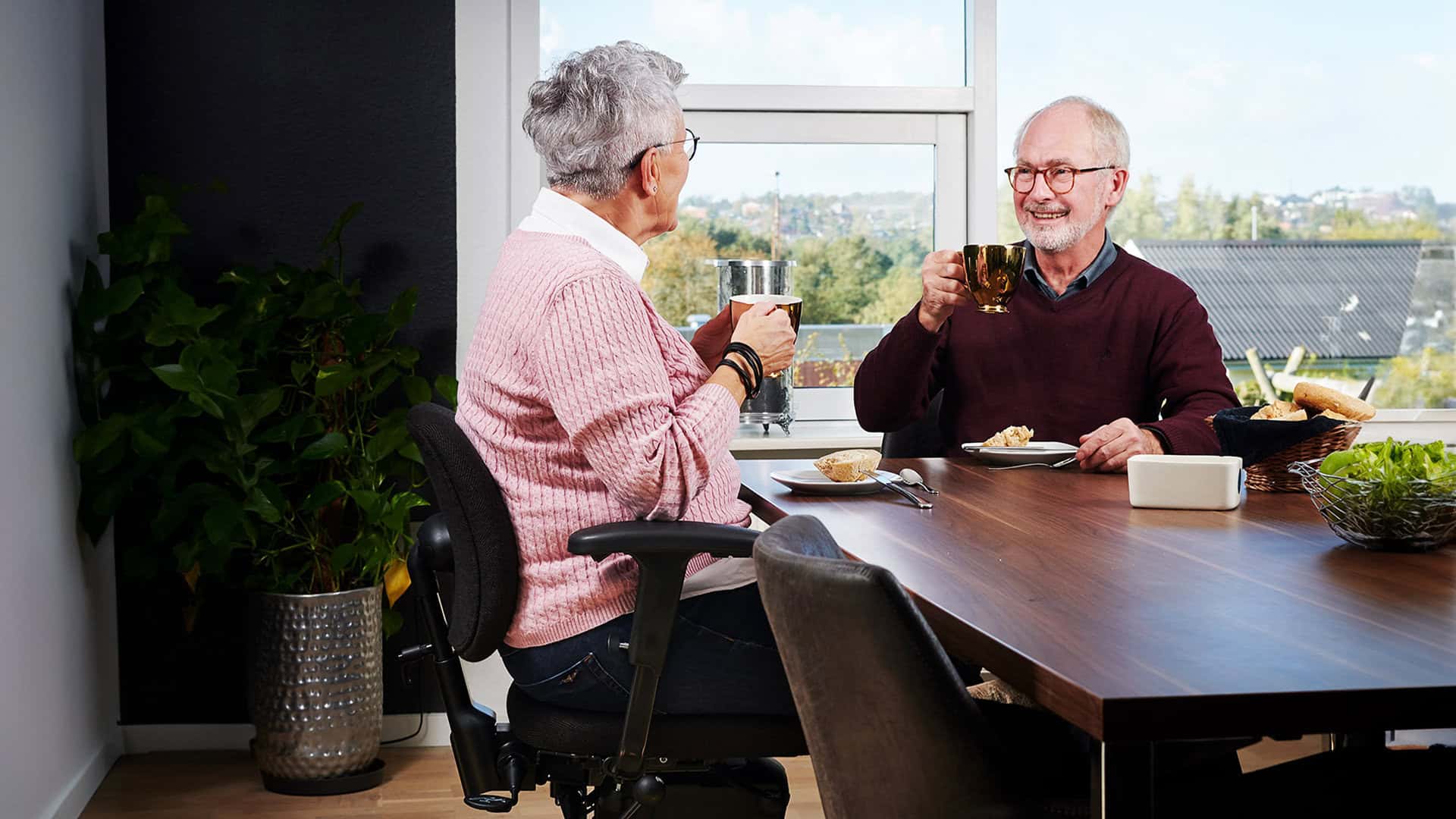
As families approach these decisions, it’s essential to consider options that may delay or reduce the need for full-time care in a nursing home setting. One such option includes solutions that enhance independence within the home environment, like the VELA Independence Chair. This medically approved mobility chair is designed to provide older adults with enhanced safety and freedom of movement while seated. It supports daily activities such as cooking, dressing, or transferring by offering features that ease the burden on informal caregivers, making it a commendable alternative worth exploring.
Supporting Aging in Place: A Practical Option
The VELA Independence Chair offers seniors a viable opportunity to maintain their independence at home for longer periods, possibly delaying the transition to a nursing home. Designed with features such as a central brake for safety, electric height adjustability, and ease of movement while seated, the chair addresses common challenges faced by older adults. This chair not only enhances safety by reducing fall risks, as detailed in the Fall Prevention Strategies for Seniors, but also conserves energy, allowing seniors to engage in everyday activities more comfortably. Without a mobility solution like the VELA Chair, tasks as simple as cooking or dressing can become cumbersome, increasing reliance on caregivers and potentially accelerating the need for institutional care. Although the VELA Chair is a proven and practical solution, it should be considered among other available aids to support aging in place.