

Updated September 2025: We have updated the article with the latest advances in smart assistive devices, AI-powered mobility solutions, and holistic ergonomic design approaches for nursing home environments. The article now reflects current best practices in rehabilitation, person-centered care, updated regulatory guidance, and the importance of fall prevention and wellness-focused facility design.
UnitedHealthcare Nursing Home Plans: A Comprehensive Guide
UnitedHealthcare Nursing Home Plans, often referred to as UHC Nursing Home Plans, are specialized Medicare Advantage offerings meticulously crafted to meet the unique healthcare needs of individuals residing in nursing facilities. These plans are designed to elevate the quality of care received by residents in contracted nursing homes, offering customized services that address their specific needs. According to UnitedHealthcare Medicare, UHC Nursing Home Plans have monthly premiums ranging from $30.40 to $48.20, making them an accessible option for many families navigating elder care solutions.
Understanding UHC Nursing Home Plans
UnitedHealthcare’s Institutional Special Needs Plans (I-SNPs) provide a tailored healthcare experience for nursing home residents. These plans amalgamate Medicare Parts A, B, and D, presenting a comprehensive coverage package that spans numerous states, including Ohio, Oregon, and Colorado, as verified by UHCprovider.com. To qualify, individuals must reside in a contracted nursing facility for over 90 days. According to the UHC Nursing Home Plan Guide, this criterion ensures that plan members receive the personalized care requisite for their conditions. Residents and their families frequently express satisfaction with these plans, citing significant improvements in the quality of care due to the comprehensive services provided.
Comprehensive Benefits and Coverage
UHC Nursing Home Plans offer an array of benefits that surpass Original Medicare, as detailed in the UHC Nursing Home Plan Guide. In addition to fundamental Medicare Parts A, B, and D coverage, these plans include services such as hearing aids, dental, and vision coverage, which considerably enhance the quality of life for residents. Testimonials from current enrollees, such as those mentioned on SeniorLiving.org, highlight improved well-being thanks to access to these extensive benefits. The cost structure is designed to be predictable and manageable, with defined monthly premiums and copays that vary based on the network status of services. According to UHCprovider.com, this flexibility allows residents to maintain continuity of care with their preferred healthcare practitioners.
Recent advances in assistive technology within nursing homes have enhanced the quality and safety of care for residents. Facility environments are increasingly incorporating smart assistive devices, such as AI-powered mobility aids, sensor-embedded wearables for health monitoring, and the introduction of robotic exoskeletons to support mobility and fall prevention. These technologies enable real-time data collection for tailored rehabilitation and have improved overall safety and independence among residents (Lisclare, Skilled Nursing News).
In addition, current ergonomic and inclusive design principles for nursing environments prioritize resident-centered layouts and adaptive furniture to reduce physical strain for residents and caregivers. Leading facilities now showcase holistic wellness environments with increased natural lighting, green spaces, and multisensory stimulation areas, all shown to foster rehabilitation and mental health (Shepherd Premier Senior Living, NAIOP).
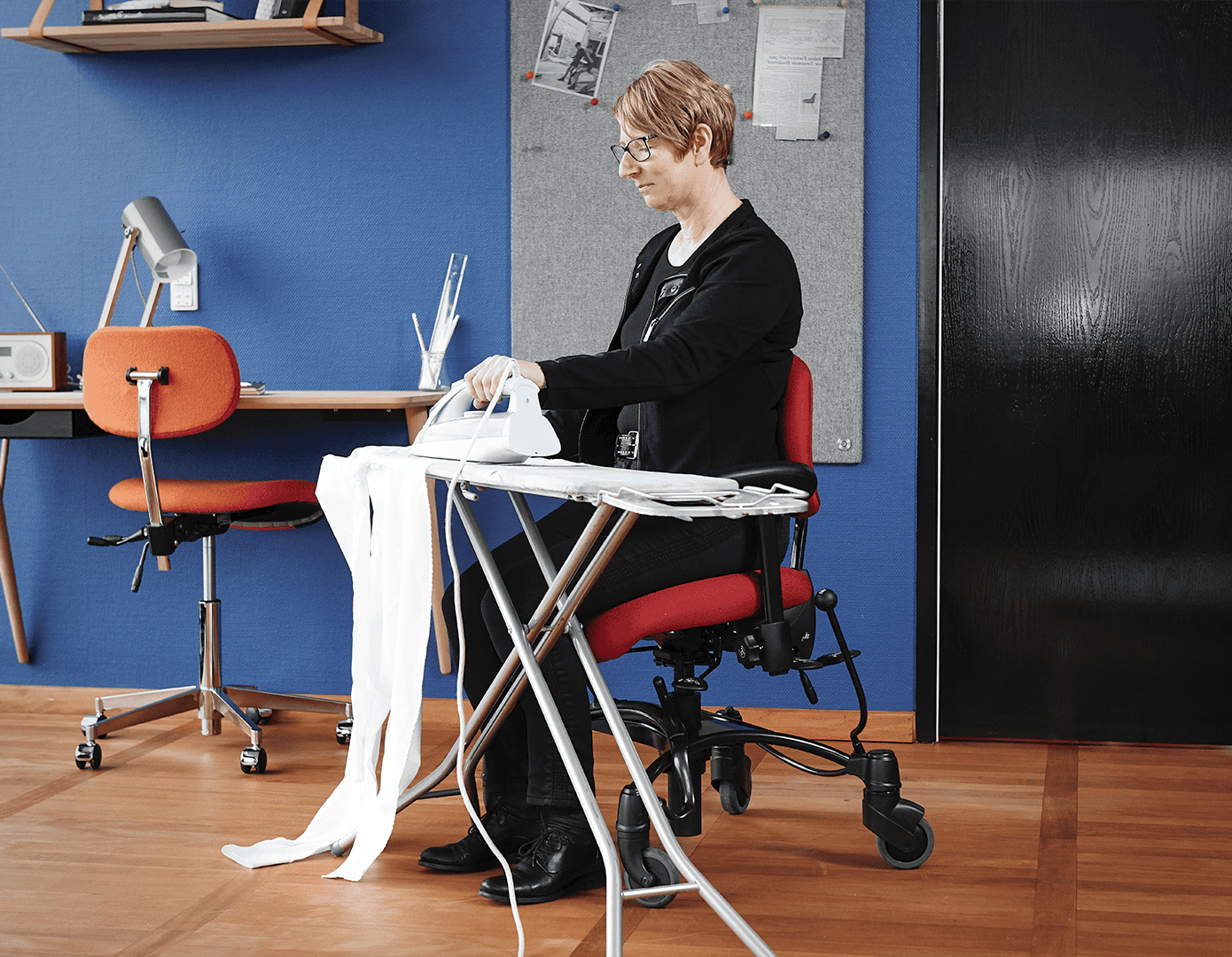
For residents seeking solutions beyond nursing facilities, maintaining independence at home presents a rewarding yet challenging endeavor. Mobility solutions, such as a VELA chair, can greatly enhance home-based care, offering a preventive approach to falls and facilitating ease of movement. The VELA Independence Chair is a medically approved mobility chair specifically designed to be used at home. It enhances safety with features like a central brake, provides freedom of movement while seated, and supports daily activities such as cooking, dressing, or transferring from one position to another, thereby reducing the burden on informal caregivers.
Comparing UHC Nursing Home Plans to Standard Medicare
UHC Nursing Home Plans offer particular advantages over traditional Medicare, especially for nursing facility residents. One standout feature includes enhanced care coordination provided by a dedicated team of professionals, ensuring seamless management of all healthcare aspects for residents, as detailed by the UnitedHealthcare Nursing Home Plan Guide. These plans include benefits such as routine dental, hearing, and vision services, making them highly favored by many nursing facility residents. Numerous case studies show this dedicated approach results in better health outcomes and increased resident satisfaction – a sentiment echoed by UHC Care Advantage users.
Current best practices for skilled nursing care emphasize multidisciplinary rehabilitation programs that combine physical therapy, occupational therapy, and behavioral health support. Tele-rehabilitation and AI-guided personalized care planning are now widely adopted to facilitate remote monitoring, personalized interventions, and optimized recovery outcomes, allowing for flexible adaptation to each resident’s needs (Lisclare, Skilled Nursing News).
Additionally, regulatory developments introduced by the Centers for Medicare & Medicaid Services (CMS) have shifted to a risk-based survey approach, focusing oversight and resources on facilities most in need of improvement while streamlining the process for consistently high-performing nursing homes. This ensures an ongoing commitment to quality and resident well-being (CMS.gov).
Greater attention is also given to behavioral health management, minimizing unnecessary use of psychotropic medications and emphasizing non-pharmacological behavioral interventions and person-focused care models. These strategies are supported by updated policy recommendations to promote autonomy, dignity, and culturally sensitive care preferences (Justice in Aging, Skilled Nursing News).
Navigating the Enrollment Process
Enrolling in a UHC Nursing Home Plan is a streamlined process. Eligibility requires residency in a contracted nursing facility for at least 90 days, as outlined in UHC.com/Medicare. Prospective enrollees can identify contracted facilities via UHC’s official resources or by discussing with plan representatives. The enrollment process involves completing necessary documentation within specified timelines, which ensures timely benefit access. Healthcare professionals often assist families through this process, simplifying what otherwise might be an overwhelming undertaking.
Real Experiences and Success Stories
Testimonials and case studies from current UHC Nursing Home Plan users vividly depict the transformative benefits these plans offer. Families report peace of mind knowing their loved ones receive coordinated, high-quality care, while residents note improvements in health outcomes and quality of life. A poignant case study involves a family recounting how their mother’s UHC plan facilitated seamless coordination between her nursing home staff and external healthcare providers, enhancing care and enabling frequent, advantageous health screenings, as detailed by UHC Care Advantage.
Recent feedback from nursing home leaders and residents affirms the positive impact of integrating smart assistive devices, person-centered care, and adaptive environments on safety, autonomy, and satisfaction (Shepherd Premier Senior Living, Skilled Nursing News).
Exploring Alternatives to Nursing Homes
As aging individuals and their families consider home-based care, solutions like the VELA Independence Chair can significantly contribute to prolonged independence at home. This chair addresses safety concerns with its central brake, height adjustability, and ease of movement for activities that might otherwise pose challenges, such as preparing meals or moving around safely. The chair’s design helps save energy, allowing users to comfortably manage their daily routines with increased autonomy and reduced reliance on caregivers. By offering such practical support, VELA Chairs can delay the transition to nursing facilities, helping maintain dignity and freedom for older adults desiring to age in place. For more information on practical mobility aids, consider the insights on Fall Prevention in Nursing Homes, which highlight the value of these solutions in enhancing resident safety and independence.
Sources:
- Lisclare, Fall Prevention in Nursing Homes: Best Practices for 2025
- Shepherd Premier Senior Living, Choosing the Right Healthcare & Rehab Center in 2025
- Skilled Nursing News, Top Skilled Nursing Trends for 2025
- CMS.gov, Nursing Homes Survey Guidance and Risk-Based Survey (RBS) Approach
- Justice in Aging, 25 Common Nursing Home Problems and Solutions
- NAIOP, Best Practices in Developing Skilled Nursing Facilities