

Updated February 2026: We have updated the article to reflect new trends in veteran care, including expanded home-based and community care alternatives, advances in virtual reality (VR) for therapy and hospice, the adoption of AI-driven assistive technology, and VA policy pilots like the Assisted Living Program and enhanced digital claims processing. We also highlight new findings on the psychosocial benefits of mobility aids and immersive technologies for improved social engagement and quality of life.
Updated October 2025: We have updated the article with the latest advancements in smart home integration for veterans, predictive analytics for proactive health management, innovative assistive technologies including AI-powered and robotic solutions, enhanced emergency response systems, expanded access to adaptive sports and daily living aids, updates to VA SAHAT grants and disability housing assistance, as well as the expansion of refurbished medical equipment programs and new trends in long-term care with technology-driven quality-of-life improvements.
Enhancing care for aging veterans: exploring veteran nursing homes
As the veteran population in the United States continues to age, the demand for specialized care facilities, such as veteran nursing homes, is on the rise. With nearly 50% of U.S. veterans now aged 65 or older, and a significant number within this group approaching 85 or beyond, there is an increasing need for institutional care tailored to the unique needs of veterans. According to the U.S. Department of Veterans Affairs (VA), this demographic shift requires a thorough examination of the specific services veteran nursing homes provide.
Who qualifies for care in a veteran nursing home?
Veteran nursing homes, often referred to as VA long-term care facilities, play a critical role in providing essential care to eligible veterans. Eligibility typically depends on several factors, including military service records, the presence of a service-connected disability necessitating institutional care, and sometimes a financial needs assessment. Assistance in navigating this application process is available from organizations such as the National Association of State Veterans Homes (NASVH) and the VA Geriatrics and Extended Care program. Many veterans and their families have shared that following these resources simplifies the application and admission process significantly, offering much-needed guidance and reassurance.
How do veteran nursing homes compare to private facilities?
When assessing veteran nursing homes compared to private nursing facilities, cost is a prominent consideration. Veteran homes, supported by state and federal funding, offer considerably reduced rates averaging around $262 per day, significantly less than the approximate $424 per day charged by private institutions. According to McKnight’s Senior Living, demand for veteran homes is consistent due to their affordability and unique service offerings.
Besides financial advantages, veteran nursing homes are subject to stringent quality standards and oversight, ensuring high-quality care. For example, the Centers for Medicare & Medicaid Services (CMS) provides extensive data on quality indicators, thus allowing veterans and their families to make informed decisions based on occupancy rates and care quality metrics.
Key services and benefits offered by veteran nursing homes
At veteran nursing homes, services are distinctly tailored to address the needs of former military personnel. This includes specialized care such as dementia management, rehabilitative services, mental health support, and hospice care, all of which are provided at a high standard. According to the U.S. Department of Veterans Affairs, these facilities also offer programs that cater specifically to veterans, such as social and recreational activities designed to enhance well-being and improve quality of life. Veterans frequently report a high level of satisfaction with the care provided, noting a significant positive impact on their mental and physical health.
Recent trends reflect a move beyond traditional, facility-centric care toward home-based, community, and telehealth alternatives. The VA is actively expanding these services to minimize barriers for veterans with limited mobility and to provide additional options that support independence and access to care[3][7]. Programs such as the VA Assisted Living Program and improvements to digital claims processing are part of ongoing pilots and policy initiatives aimed at streamlining long-term care[4][7]. These changes mean veterans and their families have increased flexibility to choose care settings that best meet their needs.
Veteran care is also benefiting from new advances in technology and therapy methods. Virtual reality (VR) has become a valuable tool in both hospice and therapy settings, enabling immersive experiences for veterans who may have mobility limitations[1][2]. These systems allow veterans to “travel” virtually, participate in social situations, or benefit from exposure therapy without leaving their location. Feedback from participants in VR pilot programs has been positive, with veterans describing the experience as “pretty cool” and recommending it for others facing similar mobility challenges[1]. In VA community living centers, such technology is increasingly used to boost social engagement, support rehabilitation, and enhance quality of life[1][2].
AI-driven mobility aids, wearable technologies, and adaptive equipment are contributing to a new era of psychosocial support, helping reduce isolation and facilitating community participation for veterans with mobility or sensory impairments[6][9]. These emerging assistive technologies are designed not only to improve physical independence but also address the mental and social well-being of users, based on evidence that social participation is key to optimal rehabilitation outcomes[9]. The VA and partner organizations continue to expand access to such innovations, ensuring veterans have modern, inclusive tools for daily living.
Other innovations remain important as well. Modern smart home systems connect with prosthetics, vital sign monitors, and daily activity trackers, creating seamless data flows to VA healthcare teams. This real-time data transmission enables early detection of issues and proactive interventions[1]. Emergency response systems allow medical data to be sent instantly to first responders, while accessible design features help lower risks during emergencies, supporting safer independent living[1].
VA Specially Adapted Housing Assistive Technology (SAHAT) grants have supported over 22 innovative projects to improve accessibility, including AI-powered screen readers, robotic tables, and specialized ergonomic solutions[2]. Recent years also saw expansion of home-based care, community programs, and equipment distribution (such as through Project MEND), ensuring veterans receive both the technology and support necessary for long-term well-being[3][5][6]. Housing assistance, disability grants, and policy changes continue to improve options for independent living and accessibility modifications[6][7][9].
FAQs: navigating the application and admission process
While the application and admission process for veteran nursing homes may seem overwhelming, there are numerous resources available to assist applicants. Detailed guidance is provided by the VA Geriatrics and Extended Care, supported by comprehensive data from the National Center for Veterans Analysis and Statistics (VetPop2023). Common queries from veterans and their families typically concern eligibility verification, required documentation, and waiting periods. Insights from VA representatives and testimonials from veteran families offer clarity on these concerns, ensuring applicants are well-prepared and informed throughout the process.
Supporting aging in place: a practical option
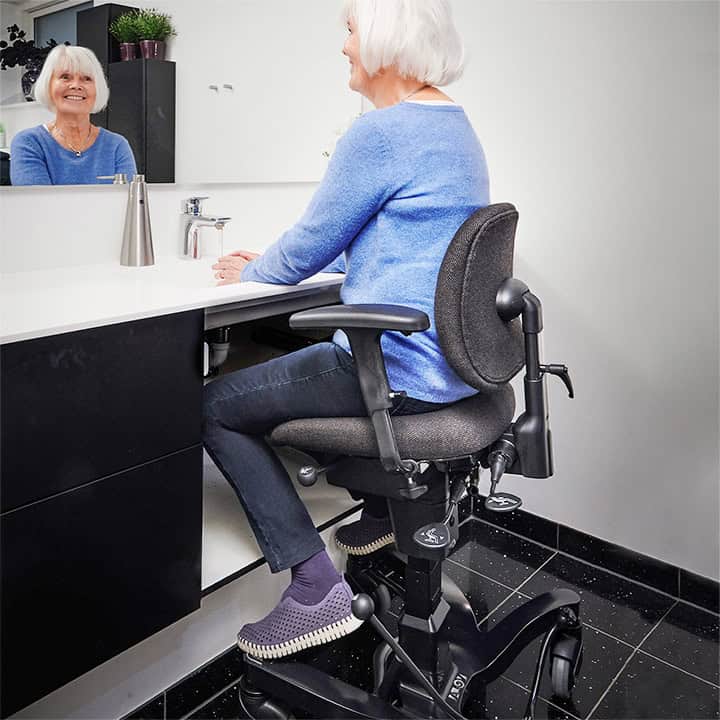
As the demand for long-term care solutions for aging veterans grows, alternatives like VELA Chairs become increasingly relevant. These chairs are designed to help individuals maintain independence longer within their homes by providing numerous benefits. The central brake system ensures safety, while the electric height adjustability offers ease in reaching various surfaces without overexertion. Additionally, the chair’s ability to move effortlessly while seated enhances daily activities like cooking or cleaning, saving energy and preserving dignity. By facilitating these everyday tasks, VELA Chairs can potentially delay or even reduce the need for nursing home placement. Though VELA is not the only solution, it represents a practical and proven option for supporting autonomy and minimizing the caregiving load. For more information on how these mobility solutions enhance independence, explore Mobility Chairs for Enhanced Independence.
References
- VA Boston Healthcare: Virtual Reality in Hospice (Jan 22, 2026) [1]
- Disabled American Veterans (DAV): Policy Goals for Veteran Advocacy (2026) [7]
- DisabledVeterans.org: Home-Based and Community Care Expansion (2026) [3]
- AHCA/NCAL: VA Assisted Living Pilot Updates (June 30, 2025) [4]
- UTP Publishing: Psychosocial Impact of Mobility Assistive Technology (post-2025 study) [9]
- Operation Family Fund: Smart-Home Upgrades Empowering Wounded Warriors, 2025 (smart home integration, predictive analytics, emergency response) [1]
- U.S. Department of Veterans Affairs, Specially Adapted Housing Assistive Technology (SAHAT) Grants and Innovations [2]
- Warrior Allegiance, Role of Adaptive Technology for Disabled Veterans [3]
- Department of Veterans Affairs News, Enhancements in Long-term Care Facilities and Virtual Reality Recreation [4]
- Texas Veterans Commission, Project MEND Expansion of Refurbished Medical Equipment Program [5]
- North Central Texas Council of Governments, 2025 Veterans Housing and Assistive Technology Options Booklet (PDF) [6]
- HumanWare, Assistive Technology for Veterans with Visual Impairments [7]
- VetValor, VA Vision Care and AI-Powered Assistive Technology Pilots in 2025 [8]
- VA.gov, Disability Housing Grants for Veterans FY 2025 [9]