

Updated February 2026: We have updated the article to reflect the rescission of federal nursing home staffing minimums, new state-level regulatory trends, and the widespread adoption of AI-driven remote monitoring and personalized wearable technologies in senior care. Enhanced insights on noninvasive sensor technologies, telehealth, proactive aging-in-place strategies, and CMS’s 2026 regulatory changes impacting nursing homes and resident rights are included.
Choosing the Right Nursing Home in Wagoner, OK: A Comprehensive Guide
Selecting the right nursing home for your loved one is an important decision that requires careful consideration and due diligence. Understanding the landscape of nursing homes in Wagoner, OK, is essential to ensure that the specific needs of the aging population are met appropriately. With a population of approximately 7,934 and a median age of 37.9, Wagoner is witnessing an increasing demand for senior care services. According to Medicare.gov Care Compare, evaluating nursing home quality is crucial in making informed decisions regarding elder care.
Understanding the Landscape of Nursing Homes in Wagoner, OK
Wagoner offers several reputable nursing homes, with Wagoner Health & Rehab and Coweta Manor Nursing Home being notable options. Located on North Lincoln Avenue, Wagoner Health & Rehab provides 117 certified beds. However, its occupancy rate was only 47% in 2024, according to the Oklahoma State Department of Health. The facility, managed by Richard Moravek, emphasizes helping residents maintain the highest possible level of independence while providing necessary care and support.
Coweta Manor Nursing Home, located nearby in Wagoner County, boasts a slightly higher occupancy rate of 73%. Both facilities are subject to regular inspections and quality measures, which help ensure a standard level of care and professionalism, as highlighted by ProPublica Nursing Home Inspect.
Residents might encounter real-world scenarios such as participating in daily activities or receiving personalized care programs tailored to their needs. Wagoner Health & Rehab, for instance, might offer a variety of therapeutic activities designed to engage residents physically and mentally, a detail that families should inquire about.
Choosing the Right Facility: A Guide to Ratings and Quality Measures
Understanding the Five-Star Quality Rating System by the Centers for Medicare and Medicaid Services (CMS) is pivotal when choosing a nursing home. This system evaluates nursing homes based on health inspections, staffing levels, and quality measures, providing a comprehensive overview of a facility’s performance. As of 2026, significant regulatory shifts include the rescission of federal minimum staffing requirements, with oversight and requirements now determined at the state level and focused on individual facility assessments based on resident needs rather than fixed nurse-hour minimums[2][8][9][10]. Recent updates to the Five-Star Quality Rating System emphasize health inspections, greater focus on health equity, and more advanced indicators of care quality. According to the CMS Five-Star Quality Rating System and recent regulatory summaries[2][4][8], these changes are designed to capture facility quality more accurately and reflect current operational standards.
When comparing facilities in Wagoner, examine nurse staffing approaches and recent inspection outcomes closely. Since federal mandates are no longer in effect, Oklahoma state regulations, facility-specific assessments, and staff training now shape compliance and care delivery[2][4]. For instance, Wagoner Health & Rehab reports nurse hours per resident slightly below the state average, which emphasizes the need for careful assessment of staff adequacy and proposed care plans at each facility. Transparency around staff training requirements and scheduling, now regulated locally, has become more important in evaluating care quality for your loved one.
Navigating Costs and Occupancy in Wagoner Nursing Homes
One of the most common concerns about nursing home care is cost. According to Medicare.gov Care Compare, nursing home costs in Oklahoma range between $5,000 and $7,000 per month. Exploring financial options—including Medicare and Medicaid support—can help manage these expenses. As of January 2026, under the CMS TEAM model, certain skilled nursing facility (SNF) benefits can now be accessed without a 3-day prior hospital stay, potentially easing the transition to longer-term care and altering coverage for some families[14].
Occupancy trends also play a vital role in decision-making. Understanding the implications of occupancy rates, such as those at Wagoner Health & Rehab and Coweta Manor, can offer insights into the level of personalized care available at each facility. While higher occupancy might suggest a facility’s popularity, it could also impact the amount of individual attention given to each resident.
Exploring Specialized Care and Alternatives to Traditional Nursing Homes
Beyond traditional nursing home care, specialized services such as rehabilitation and memory care units provide focused treatment for residents with specific health needs. Facilities in Wagoner offer these services, supporting residents through targeted therapeutic and medical interventions.
Trends in 2026 emphasize a widespread shift to AI-driven and personalized technology in elder care. Modern assistive devices now routinely integrate AI-powered wearables and remote sensors offering real-time mobility monitoring (including fall and slump detection), behavioral analytics, and health data that allow staff to intervene proactively[1][3][7][9][11][15]. These technologies support independence and can help reduce hospital readmissions for residents with mobility challenges. Personalized remote patient monitoring—now standard practice—leverages noninvasive in-room sensors and analytics for early detection of risks and health changes, while also aligning with preferences for subtle and minimally intrusive technology[1][7][14][15]. Telehealth and “hospital at home” models provide patients and families with flexibility in receiving medical oversight and therapy, extending capabilities for aging in place and supporting a healthy aging focus[1][3][7][9][11].
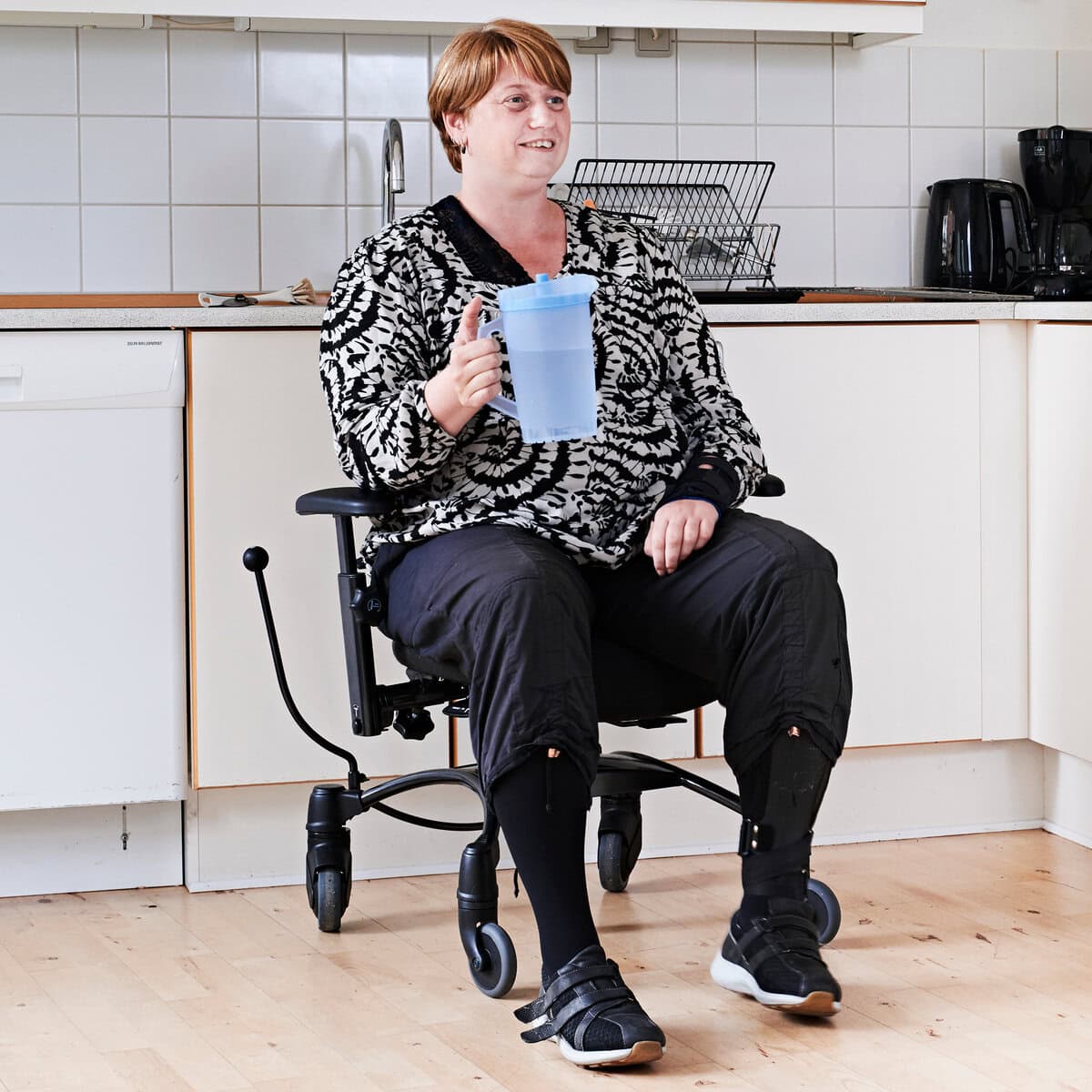
Transitioning from nursing homes, families might seek solutions that empower older adults to maintain independence in their homes. Devices like the VELA Independence Chair offer a practical option. This medically approved mobility chair is designed for home use, enhancing safety and freedom of movement. Its support for daily activities, such as cooking, dressing, and transferring, reduces the load on informal caregivers, making it easier for seniors to enjoy their living spaces safely and comfortably. Importantly, newly developed chairs and mobility aids are incorporating advanced ergonomic designs, 3D-printed customization, remote adjustability, and integration with wearable health devices and sensor technology to further support safe aging in place[1][3][7].
Final Considerations
Choosing the right nursing home or alternative care option in Wagoner involves a comprehensive evaluation of facility quality, costs, and specialized services. By considering both traditional and innovative care solutions, such as VELA chair technology and smart mobility aids, families can find options that best enhance their loved one’s quality of life. It is crucial to balance potential benefits with any limitations to ensure the most suitable choice is made. Up-to-date CMS regulations and quality measures should be reviewed—now shaped primarily by state guidelines and facility self-assessments following the 2026 federal policy rescission—as these more directly affect resident rights, medication management (including explicit consent for changes and a ban on psychotropic use for convenience), and overall facility ratings[2][4][6][8][10][14][16][18]. Enhanced emphasis on proactive, personalized care and transparency in reporting continues to offer protections and foster improved quality of care. Ultimately, thorough research and an understanding of available resources are key in making an informed decision.
By visiting facilities, speaking with current residents and staff, and reviewing inspection reports, families can gather firsthand experience to guide their decision-making process, ensuring their loved ones receive the best possible care.
Supporting Aging in Place: A Practical Option
Staying at home longer can often be preferred, and mobility solutions like the VELA Independence Chair can play a vital role. Designed to foster independence, such chairs provide features like a central brake for safety, electric height adjustability, and ease of movement while seated—all essential for daily tasks. In 2026, advances in ergonomic design, smart sensors, 3D printing customization, and compatibility with AI-driven predictive analytics have further improved these chairs, offering increased fall prevention, health monitoring, and alignment with healthy aging models[1][3][7][9][15]. These enhancements help address pressing issues such as fall risk and energy conservation, potentially delaying nursing home admission. The difference day-to-day, between cooking or enjoying leisure time with and without a VELA Chair, is notably in the comfort and freedom it offers. While it isn’t the sole solution, the VELA Chair exemplifies how innovative aids support aging in place, ensuring dignity, safety, and reduced caregiver burden.
Sources:
- Heisinger Bluffs, The Future of Senior Living: Trends to Watch in 2025 (2025)
- Sandberg Phoenix, Major CMS Revisions to Nursing Home Surveyor Guidance (Feb 2025)
- Everything Medical Online, The Latest Trends in Mobility Aid Technology for 2025 (May 2025)
- The Consumer Voice, Summary of CMS’s Revised Guidance for Nursing Home Surveyors (Jan 2025)
- UnitedHealthcare Community & State, How Enabling Technology is Transforming Home-Based Care (2025)
- Paltmed.org, CMS Announces Key Revisions to Nursing Home Surveyor Guidance 2025 (Nov 2024)
- iHealthcareAnalyst.com, Geriatric Assistive Devices Market: Trends, Technologies & Outlook (2025)
- Health Industry Washington Watch, Recent Legislative and Regulatory Updates for Long-Term Care (June 2025)
- Federal Agencies Rescind Previous Administration’s Nursing Home Staffing Rule (Duane Morris, Dec 2025), source (2025)
- CMS Rescinds Nursing Home Nurse Staffing Rule (Center for Medicare Advocacy), source (2025)
- CMS Rescinds Nursing Home Staffing Requirements (Medicare Rights Center, Dec 2025), source (2025)
- NCAL Report: States Continue Modifying Assisted Living Regulations (AHCA/NCAL, 2025 changes), source (2025)
- Top Five Health Care Trends for 2026 (AANP via PR Newswire), source (2026)
- 6 Healthcare Tech Trends for 2026 (Medtronic), source (2026)
- Implementing Transforming Episode Accountability Model (CMS PDF, TEAM model for SNFs, Jan 2026), source (2026)
- Additional references: MayoClinic.org, MedlinePlus.gov, CMS.gov — For overviews on telemedicine, rehabilitation, and official CMS policy updates.