

Updated September 2025: We have updated the article to reflect recent advancements in assistive technology and senior care, including the integration of AI-powered mobility aids, smart home features, telemedicine, and trends in regulatory oversight for nursing homes. The article now highlights how these innovations improve autonomy, safety, and care quality for residents while supporting staff efficiency and person-centered care.
Exploring Waverly Nursing Homes: A Nationwide Overview
The name “Waverly Nursing Home” denotes several facilities throughout the United States, each offering distinct features and services to their local communities. For those seeking a facility under this name, understanding the diverse geographic distribution and service offerings is crucial. Facilities such as Waverly Inn Memory Care Community in Illinois and Waverly Rehabilitation and Healthcare Center in Virginia provide varied options within this branded category.
Despite the common name, these centers vary widely in ownership structures and affiliations. For instance, the Virginia facility is owned by a partnership under Waverly Operating Holdings LLC, while AHC Waverly in Tennessee operates as a subsidiary of American Health Companies LLC. Recognizing these structures can provide insights into each facility’s operational approach and available resources. Regional amenities and strong community ties often enhance the living experience, fostering a sense of belonging and improving residents’ quality of life.
Understanding Quality of Care at Waverly Nursing Homes
Evaluating the quality of care is critical when selecting a nursing home. The Centers for Medicare & Medicaid Services (CMS) provides a Five-Star Quality Rating System to help potential residents assess facilities in terms of health inspections, staffing, and overall quality measures. According to Medicare.gov, the Waverly Rehabilitation and Healthcare Center in Virginia reports an average staffing level of 3.06 nurse hours per resident per day, compared to the state average of 3.7, which might be a consideration for some families. Additionally, the facility’s high nurse turnover rate of 79.8% significantly exceeds the state average of 48.9%, which could impact continuity of care. Meanwhile, the reported penalties total $663, as noted by ProPublica.
Testimonials from residents and their families can provide a more detailed picture of daily life and care quality within these homes. For example, families often comment on staff friendliness and the homeliness of the facility environment, elements crucial to many residents’ satisfaction and comfort.
Specialized Care Options: Memory Care and Rehabilitation
Many Waverly facilities offer specialized programs focusing on memory care and rehabilitation. Memory care programs, such as those at the Waverly Inn Memory Care Community in Illinois, cater specifically to Alzheimer’s and dementia care, providing secure environments enhanced through techniques like Humanitude®.
Facilities also typically offer comprehensive rehabilitation services, addressing both long-term and short-term recovery needs. This ensures that residents requiring continuous support or those recuperating post-surgery receive personalized care fitting their distinctive medical and personal needs. According to Seniorly, the Waverly Inn’s specialized programs are designed to optimize resident autonomy while ensuring safety and high-quality care.
Advancements in Assistive Technologies and Care Models
In recent years, the integration of new technologies into senior care has transformed the experience of residents in nursing homes such as those under the Waverly name. Facilities increasingly utilize AI-powered smart wheelchairs and mobility aids equipped with features like GPS navigation, collision avoidance, adaptive controls, and voice command functionality to enhance safety and independence for those with reduced mobility. Remote customization through apps and intelligent sensor systems further personalize assistive support, proactively monitoring resident health and environment Everything Medical Online, iHealthcare Analyst.
Smart home technologies are becoming standard in many nursing and senior living environments. Voice-activated assistants, motion-responsive lighting designed to reduce falls, and remote monitoring sensors help staff maintain safety while allowing residents a greater degree of autonomy within a supportive environment Heisinger Bluffs, UnitedHealthcare Community & State.
Telemedicine and virtual healthcare services play a greater role in daily operations, offering residents convenient access to healthcare professionals and specialists without the need for travel. This shift supports improved health outcomes and more flexible, person-centered care delivery models Heisinger Bluffs.
The adoption of AI and machine learning in assistive devices, including smart hearing aids, exoskeletons, and emerging brain-computer interface solutions, is also on the rise. These technologies provide dynamically adaptive, personalized support for physical, cognitive, and sensory impairments, moving beyond traditional approaches and enhancing overall comfort, safety, and usability for older adults iHealthcare Analyst, PMC.
Increasing regulatory oversight and ethical considerations around privacy, data security, and equitable access to new tools are shaping the deployment of these technologies in care settings. Facilities adhere to updated standards to ensure user data protection and transparent, trust-based integration of AI and digital tools Skilled Nursing News.
Navigating Costs and Payment Options at Waverly Nursing Homes
Understanding the financial aspects of nursing home care is as crucial as evaluating care quality. Costs can vary by facility and region. For instance, the cost at Waverly Inn starts at $5,550 per month, slightly below the area average, offering families a pricing reference point. According to Koelsch Senior Communities, costs are reflective of the care level and amenities provided.
Medicare and Medicaid often play pivotal roles in offsetting costs, supplementing out-of-pocket expenses. Families might also consider private pay options or long-term care insurance for effective cost management. Real-life financial planning case studies can provide insights into how other families have navigated these challenges successfully.
Selecting the Best Waverly Nursing Home for Your Loved Ones
Choosing the right facility requires a comprehensive evaluation beyond just ratings. Factors such as location and proximity to family are crucial, as is the facility’s approach to family involvement and visitation policies. Prospective residents’ unique needs and preferences should take center stage in the decision-making process, ensuring the chosen home aligns with personal and healthcare requirements. Considering both quantitative metrics, such as star ratings and qualitative feedback from existing residents, forms a holistic basis for decision-making.
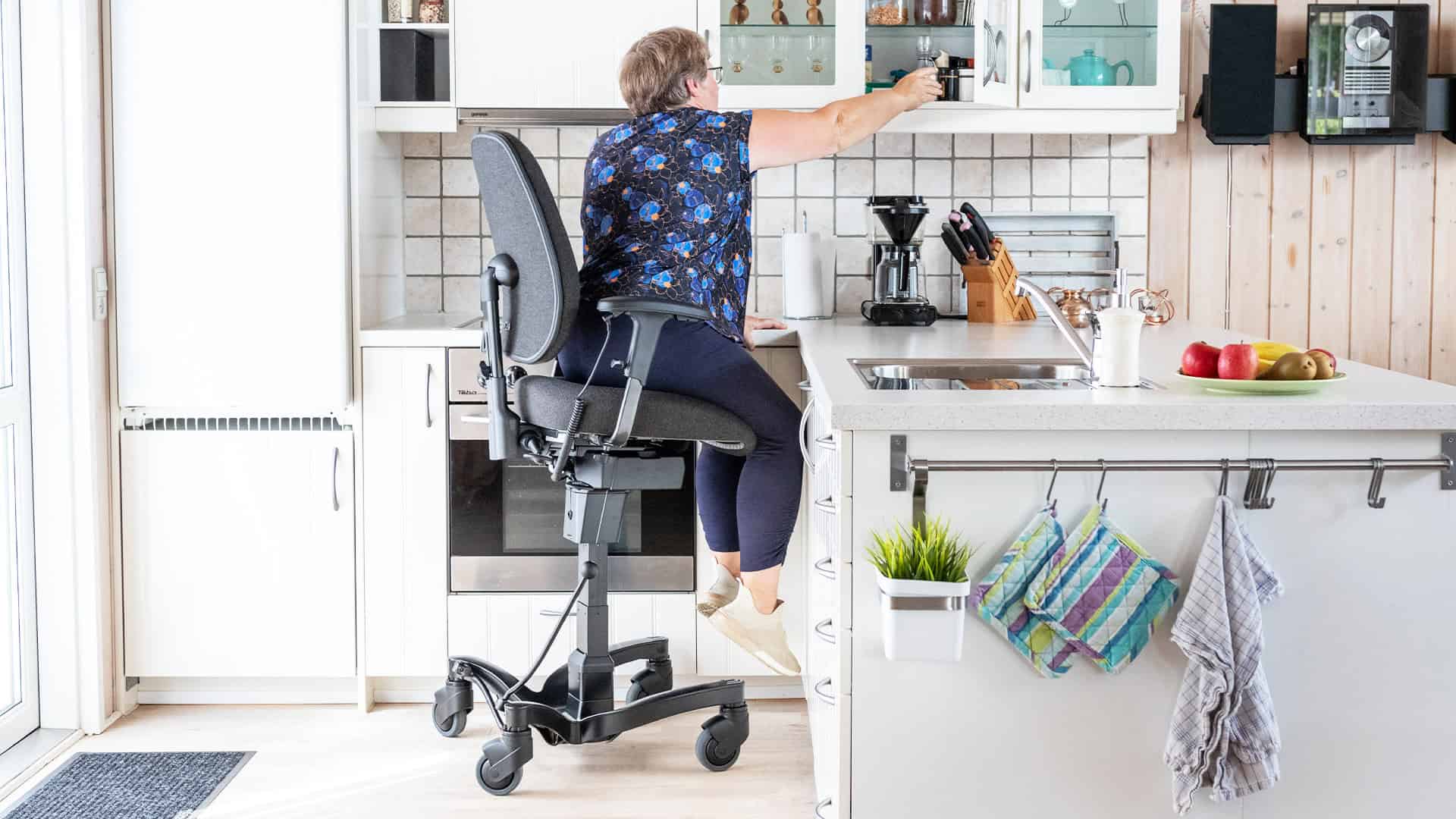
The challenges faced by nursing homes, such as limited staff availability and maintaining continuity of care, underscore the complexities of elder care. Current trends show that advancements in technology improve staff efficiency without replacing the importance of human relationships. For example, assistive technologies with remote monitoring and automation free up staff time for direct resident engagement and care, supporting both efficiency and high-quality care delivery Skilled Nursing News. As these institutions strive to meet varied needs, families often contemplate alternatives that offer independence within their own homes. Employing solutions like medically approved mobility aids can significantly alleviate these challenges. One such solution, the VELA Independence Chair, serves as a practical choice for those wishing to age in place gracefully. This chair provides enhanced safety and freedom of movement while seated, supporting daily activities like cooking and dressing. By reducing physical strain on both seniors and their informal caregivers, it facilitates a comfortable and dignified home care experience.
Supporting Aging in Place: A Practical Option
Explore strategies to reduce falls for senior residents
Discover ways in promoting autonomy for senior residents
References and Further Reading
- Heisinger Bluffs, “The Future of Senior Living: Trends to Watch in 2025”
- Everything Medical Online, “The Latest Trends in Mobility Aid Technology for 2025”
- UnitedHealthcare Community & State, “How enabling technology is transforming home-based care”
- iHealthcare Analyst, “Geriatric Assistive Devices Market: Trends, Technologies & Outlook”
- Let’s Envision, “What’s Next for 2025: The Future of Assistive Technology & AI Assistants”
- PMC, “Integrating AI and Assistive Technologies in Healthcare”
- Skilled Nursing News, “Top Skilled Nursing Trends for 2025”