

Updated February 2026: We have updated the article to reflect the repeal of CMS minimum staffing mandates, highlight new AI-powered assistive and safety technologies, expanded caregiver support tools, and evolving regulatory flexibility for personalized and independent senior care. New authoritative sources on regulatory changes and healthy aging technology trends have been added.
Welcome Nursing Home: A Beacon of Personalized Care in Oberlin, Ohio
Selecting a nursing home is a crucial decision that families face with the aim of ensuring personalized and consistent care for their loved ones. Welcome Nursing Home, located in the serene town of Oberlin, Ohio, is exemplary in offering such care. According to ProPublica, the facility boasts a notably low nurse turnover rate of 21.9%, a compelling contrast to Ohio’s average of 51.7%. This highlights the stability and commitment of its engaged staff. Driven by its mission of “people helping people,” Welcome Nursing Home, a third-generation family-owned facility, underscores its dedication and has been recognized with a B rating by Elder Guide. The facility’s occupancy rate rose to 84.5% in Q3 2024, reflecting its appeal and trustworthiness among residents and their families.
About Welcome Nursing Home in Oberlin, Ohio
Welcome Nursing Home has a rich legacy of family ownership and operation, translating into a profound commitment to its core philosophy centered on the wellness of body, mind, and spirit. The welcoming atmosphere is enhanced by its peaceful setting in the quaint town of Oberlin, where residents benefit from a tranquil environment. As reported on their official website, the facility integrates compassion and community involvement into its care practices, ensuring a welcoming environment that feels like home.
Care Services and Resident Experience
At Welcome Nursing Home, a comprehensive suite of care services is tailored to meet the individual needs of its residents. With a favorable staff-to-resident ratio of approximately 2.97 according to SNFdata.com, the facility ensures attentive and personalized care. Such metrics reflect a dedicated approach to resident wellness and are consistently highlighted through high ratings in service quality. The growing adoption of smart mobility aids—including AI-powered wheelchairs with features such as GPS navigation, collision avoidance, health monitoring, real-time monitoring, and remote customization—further enhances resident experience, promoting independence and safety within the care environment.[3], [1] In addition, the integration of predictive analytics, AI-driven health monitoring systems, and IoT-connected assistive devices is transforming how care interventions are delivered, allowing staff to anticipate and proactively address changes in resident status, prevent incidents such as falls and sleep disturbances, and personalize care plans.[1] These technologies support a higher quality of life by fostering safety, autonomy, and rapid response to health risks.[7], [4]
- Engaging activities and holistic programs
- Favorite hobbies and social events
- Therapeutic activities under qualified supervision
Residents enjoy a wide range of engaging activities and holistic programs aimed at nurturing both physical and emotional well-being. Programs often include favorite hobbies, social events, and therapeutic activities under the supervision of qualified caregivers. Recent advances in ergonomic design and rehabilitation practice, including the use of wearable robotics, lightweight biomaterials, sensor-based monitoring, and AI-personalized care plans, further optimize resident mobility and support improved rehabilitation outcomes.[3], [5] AI-powered remote monitoring tools, such as wearables and smart ambient devices, are increasingly used for early detection of health changes, including urinary tract infections and nutritional status, while edge AI tools protect privacy and further support independent living.[1], [5] These initiatives reinforce a supportive community environment, as echoed in testimonials from residents and their families, who frequently express appreciation for the nurturing atmosphere.
Admission Process and Financial Information
Welcome Nursing Home streamlines its admission process to ease understanding and navigation for prospective residents and their families. The facility outlines clear eligibility criteria, insurance parameters, and payment options, prominently welcoming Medicare and Medicaid. According to SNFdata.com, the cost structures at Welcome are competitive, offering a spectrum of affordable options that provide families peace of mind as they navigate the financial aspects associated with senior care.
Visiting and Family Resources
Welcome Nursing Home positions family involvement as a cornerstone of its care philosophy. The facility fosters strong family resources with clear communication channels and decision-support frameworks. Designed to encourage family bonds, visitation policies are flexible, acknowledging the vital role family members play in residents’ welfare, as frequently highlighted in positive family testimonials. Enhanced communication tools, including telehealth platforms and remote health monitoring systems, now play an expanded role in keeping families updated, engaged, and connected to clinical staff. Through these technologies, families can participate in virtual care meetings and be promptly notified of significant changes in resident health status.[2], [1] Innovative caregiver support tools, including AI-driven planning and resource management, are now gaining prominence for bridging staffing gaps and maintaining high quality of care.[1]
VELA Chair Integration Strategy
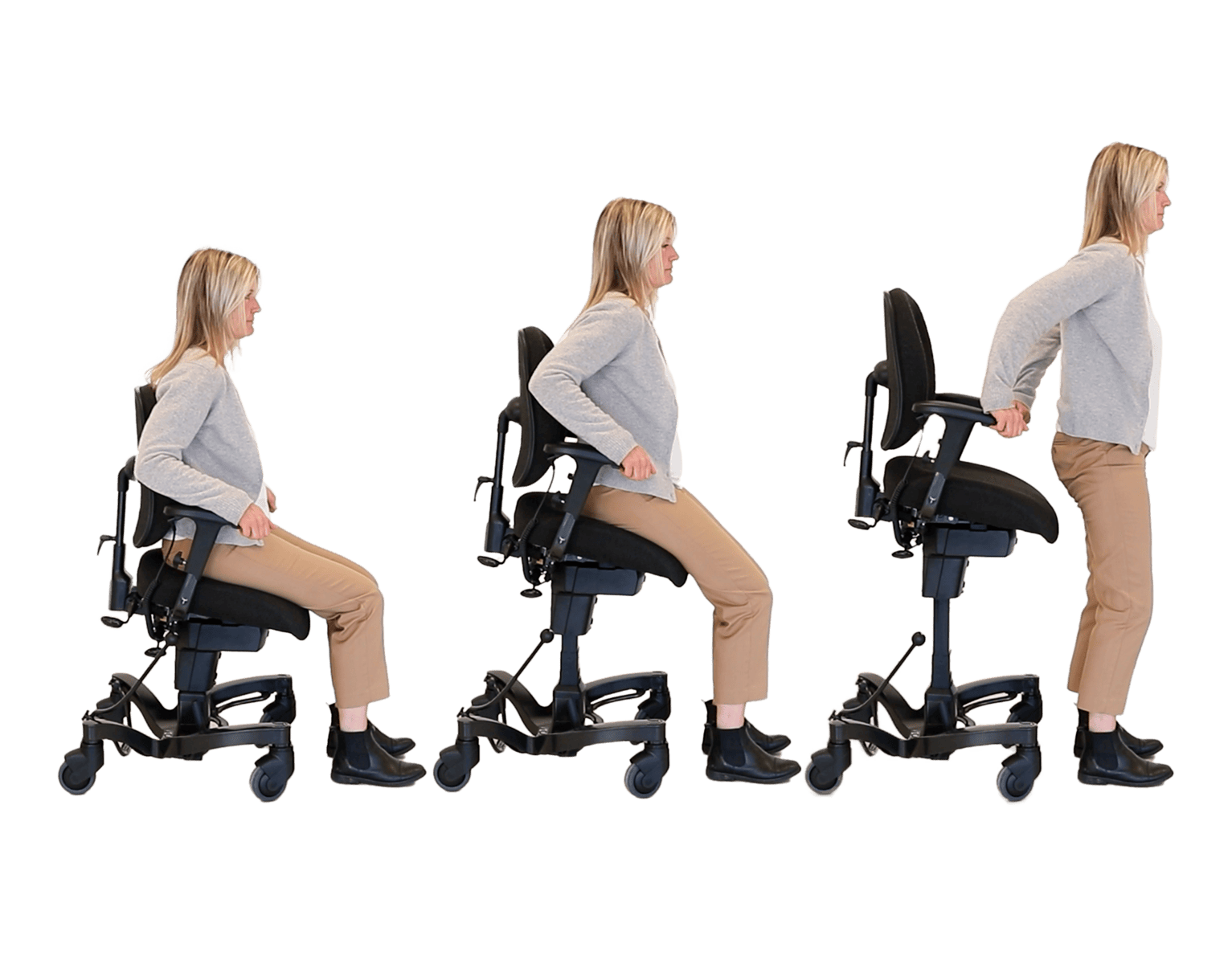
The choice between nursing home and home care often hinges on levels of mobility and independence. VELA chairs present a substantial solution, promoting independent living and potentially reducing the need for full-time institutional support. Residents transitioning home or considering alternative solutions can greatly benefit from this mobility aid, fostering autonomy and aiding rehabilitation. Explore Fall Prevention in Nursing Homes. The recent trend of integrating robotic mobility aids, wearable rehabilitation devices, AI-powered remote monitoring, and smart-home automation in senior care offers additional opportunities to increase inclusion, deliver adaptive support, and enhance daily activities, resulting in improved physical and social well-being. Technology-enabled care models are increasingly emphasized in updated guidelines due to their effectiveness and ability to address caregiver shortages and regulatory changes, especially as staffing levels become more flexible and focused on facility- and acuity-based assessments rather than rigid mandates.[9], [5], [4], [2], [12], [5]
Supporting Aging in Place: A Practical Option
For those aiming to prolong their independence at home, VELA Chairs provide an innovative solution that addresses common mobility issues faced by seniors. With features like a central brake for enhanced safety, electric height adjustability, and mobility ease while seated, the VELA Independence Chair aids in everyday tasks such as cooking, cleaning, and relaxing. This not only conserves energy but significantly reduces caregiver burden. Implementing such a mobility solution can delay or even eliminate the immediate need for nursing home care, offering individuals the dignity and freedom desired in their own homes. While VELA is one practical option among various solutions, its effectiveness in promoting safety and autonomy makes it a valuable consideration for those seeking to support aging in place. Smart mobility aids, wearable robotics, AI-driven monitoring, and sensor-enabled home modifications now support this movement by providing real-time remote monitoring, adaptive assistance, and personalized interventions, ensuring a safe and comfortable environment for seniors at home. Consideration of digital literacy, privacy, and standardization is increasingly important to maximize the benefits of these technologies.[3], [8], [1]
Regulatory and Quality Assurance Updates
As of February 2026, significant changes have taken place in the regulation of nursing homes. The CMS minimum staffing mandates introduced in 2024, such as 3.48 total nursing hours per resident day and 24/7 RN coverage, have been repealed.[2], [12], [4] Facilities now return to previous standards, such as an 8-hour daily RN presence, and focus has shifted to facility assessments and acuity-based staffing, offering greater flexibility amid workforce shortages. Quality measures and survey systems continue to be updated, and facilities are encouraged to leverage technology, including predictive analytics, noninvasive sensor integration in fixtures, and caregiver AI tools, to maintain safety, proactively monitor resident status, and ensure high standards of care.[4], [6], [2], [1] These regulatory developments foster an environment where compassionate, individualized, and technology-empowered care is prioritized to enhance resident well-being.
References
- ButterflyMX: Senior Living Technology Trends 2025
- Heisinger Bluffs: The Future of Senior Living: Trends to Watch in 2025
- Everything Medical Online: The Latest Trends in Mobility Aid Technology for 2025
- UnitedHealthcare Community & State Blog: How Enabling Technology is Transforming Home-Based Care
- iHealthcareAnalyst: Geriatric Assistive Devices Market: Trends, Technologies & Outlook
- PMC: Integrating AI and Assistive Technologies in Healthcare
- GlobeNewswire: U.S. Assistive Technologies for Older Adults Market 2025
- Mindbowser: Elderly Care Technology: 6 Trends Shaping Home Health in 2025
- CMS.gov: Updated Nursing Home Surveyor Guidance Effective February 2025
- CMS.gov: Updates to Nursing Home Care Compare and Five Star Ratings
- Health Industry Washington Watch: Recent Legislative and Regulatory Updates for Long-Term Care Facilities
- AHA News: CMS repeals minimum staffing requirements
- Medicare Rights Center: CMS rescinds nursing home staffing requirements
- Reed Smith: Recent Legislative and Regulatory Updates for Long-Term Care Facilities
- AANP: Top Five Health Care Trends for 2026
- LeadingAge: 3 Trends in Senior Care Technology