

Updated February 2026: We have updated the article with recent advances in AI-integrated smart mobility aids, wearable clinical monitoring, adaptive furniture, and robotic assistants in nursing home care. The article also reflects significant 2025–2026 CMS regulatory changes, including updates to facility star ratings and the rescission of minimum staffing standards. Trends supporting aging in place with smart monitoring and home-based technology have also been added.
Overview of Nursing Homes in Wellsville, NY and MO
When conducting a search for “Wellsville nursing home,” it is important to recognize the existence of two Wellsville locations in the United States—Wellsville, New York (NY), and Wellsville, Missouri (MO)—each with its own nursing facilities. As of 2023, Wellsville, NY, is home to approximately 4,846 residents, with a median age of 45.7 years and a median household income of $51,005. The demographics are predominantly White (97.1%) Data USA. Information on Wellsville, MO, is less extensive but it is confirmed to have a nursing facility.
Comparative Analysis of Nursing Facilities
Both Wellsville, NY, and MO offer essential nursing care services, yet subtle differences exist in the facilities’ structure and operation. According to ProPublica Nursing Home Inspect, both Wellsville Manor Care Center in NY and Wellsville Health Care Center in MO differ in their management models, ownership structures, and staffing metrics, influencing care quality. Quality ratings from Medicare.gov Care Compare provide insights into service standards and should be a significant consideration for potential residents.
Comprehensive Guide to Wellsville Manor Care Center (NY)
Facility Details and Structure
Wellsville Manor Care Center in NY operates as a for-profit facility managed by a corporate ownership group with stakeholders like Sam Eisikowicz and Andrea Mayer. It offers 120 certified beds and holds an occupancy rate of about 83.3%, with nurse hours per resident averaging 3.68 hours daily, suggesting a commitment to attentive care. However, the turnover rate exceeds state averages, which might indicate staffing stability issues, as reported by LeadingAge New York. Residents often appreciate the personalized attention from staff, but high turnover could lead to shifts in caregiver relationships and familiarity, which some families find challenging in maintaining continuity of care.
Services and Costs
The facility provides comprehensive services and amenities designed to enrich residents’ daily experiences. Monthly costs average $651, though they vary depending on services and residency length Seniorly. Insightful staff and resident testimonials emphasize high-quality care, helping create a nurturing and supportive atmosphere.
Recent Technology and Regulatory Updates
As of 2026, Wellsville Manor Care Center, like many nursing homes, is rapidly advancing the adoption of the latest assistive and smart technologies. AI-integrated smart mobility aids—including wheelchairs with navigation, health monitoring, and mobile app integration—now increase resident independence and safety, often supplemented with wearable devices that monitor falls, oxygen saturation, and other vital signs [1][3][7]. Adaptive furniture, such as adjustable beds and pressure-relief mattresses, and robotic assistants for everyday tasks support both resident comfort and reduced caregiver burden. Remote monitoring and smart home integrations further promote autonomy and proactive health management across the facility [5].
In line with the CMS regulatory changes effective from July and October 2025, Wellsville Manor Care Center aligns with revised Five Star Quality Rating System calculations that now emphasize recent survey data and antipsychotic use, as well as expanded responsibilities for medical directors. Additionally, as of February 2026, federal minimum staffing standards have been rescinded, shifting emphasis to enhanced facility assessments based on resident acuity rather than fixed staff numbers. This flexibility aims to better match staffing to the specific needs of residents while reducing administrative burdens on nursing facilities across the country [2][4][8][10][14]. These updates strive to blend regulatory compliance with more individualized, quality care, leveraging technology and data-driven approaches to maintain accountability.
Understanding Wellsville Health Care Center (MO)
Facility Details
In Wellsville, MO, the Health Care Center, privately owned by Mark Hastings, has a 112-bed capacity but data show an average daily occupancy of 41 residents. The single-owner model can offer a distinct administrative approach, potentially allowing for more nimble decision-making and personalized care Reliant Care Management.
Services and Challenges
The facility offers specialized services tailored to diverse medical needs, although occupancy levels might indicate either quality improvements or challenges in meeting capacity demands. By 2026, the Health Care Center has furthered the integration of AI-powered assistive devices, wearable monitoring, adaptive furniture, and robotic mobility support to address both individualized care and operational efficiency. Updated CMS requirements prioritize recent survey and medication usage data for facility ratings, while enhanced assessments of resident acuity have replaced strict minimum staffing rules, allowing for more flexible staff deployment appropriate to changing resident needs [2][4][8][10][14]. This approach supports facilities in meeting resident needs dynamically and fosters greater independence among residents, with technology-driven monitoring facilitating personalized and proactive care [5].
Residents’ testimonials could provide valuable insights into the quality of life and facility operation if available. Additionally, as regulatory oversight intensifies and technology evolves, emphasis remains strong on equitable access to services and personalized, data-informed care strategies for all residents [1][5].
Cost Comparison and Payment Options for Wellsville Nursing Homes
Financial Insights
The average cost of nursing home care in the Wellsville area is around $4,079 monthly, encompassing various care levels and services A Place for Mom. Understanding Medicare and Medicaid coverage alongside private pay options is crucial for financial planning. Facilities like Wellsville Manor Care Center and Wellsville Health Care Center offer structured guidance to manage expenses over extended periods.
In this technology-driven landscape, key factors to consider include AI-powered mobility aids, real-time sensor monitoring, and advanced ergonomic equipment, all of which help prevent negative outcomes while improving transparency and personalization in care. Additionally, care structures and fee transparency increasingly reflect the influence of health equity initiatives and new CMS regulatory expectations [1][5].
Financial Planning
Prospective residents should consult with financial advisors and draw on the experiences of families who have successfully navigated these financial waters. Their insights can offer invaluable guidance for making informed decisions.
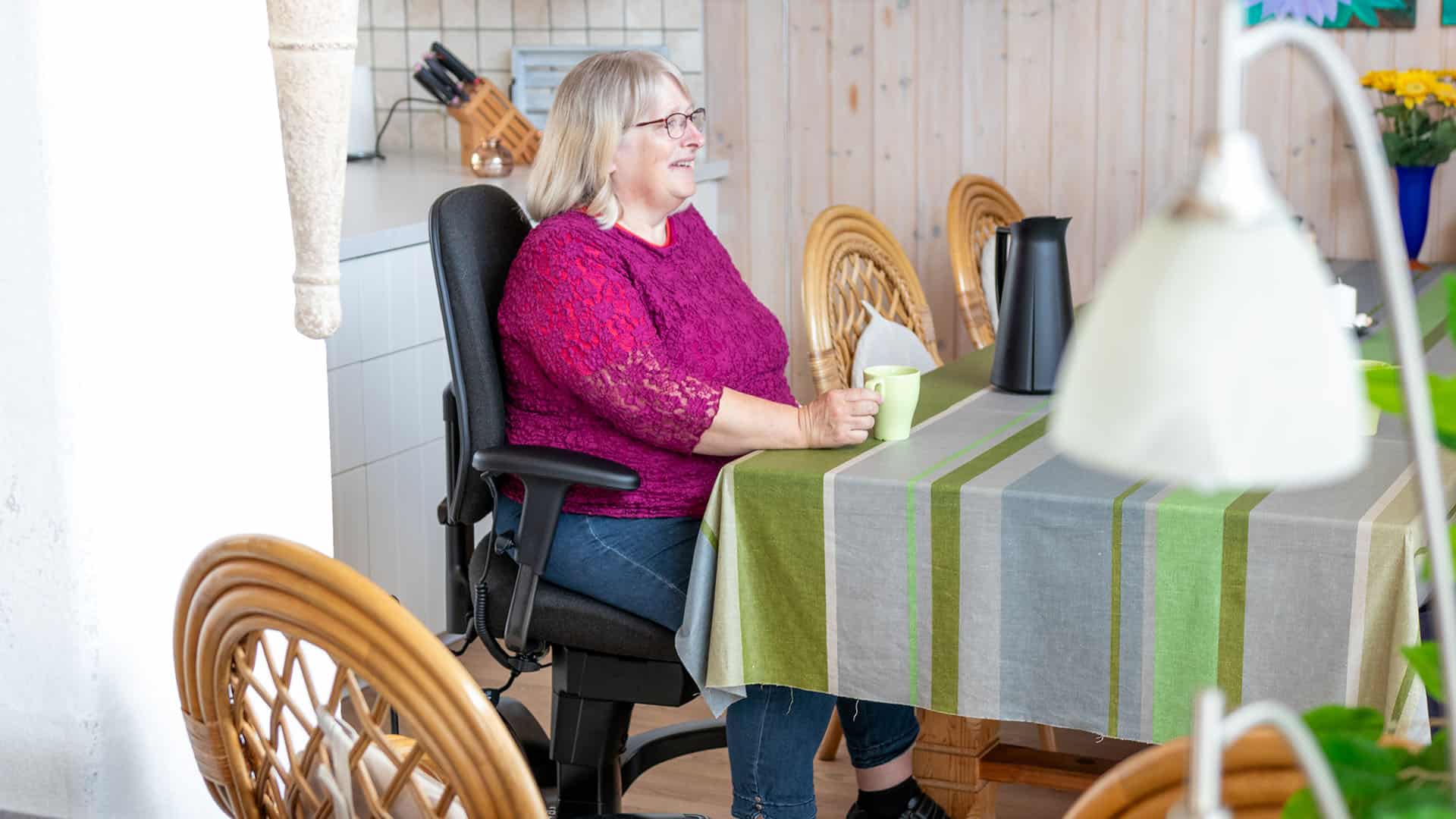
As nursing home care often presents both financial and emotional challenges, many families seek alternative solutions that allow seniors to maintain independence within the comfort of their own homes. The rapid rise of home-based technologies—such as AI-powered monitoring, smart home integrations, and advanced mobility aids like VELA, a medically approved mobility chair—offers more people the option to age in place. These supportive chairs for elderly provide enhanced safety and mobility, aiding in daily activities such as cooking and dressing, and helping to reduce the burden on informal caregivers.
Supporting Aging in Place: A Practical Option
Making decisions about elder care can be both challenging and significant. For those considering aging in place, adopting state-of-the-art mobility aids—including AI-integrated wheelchairs, clinical wearables, adaptive furniture, and robotic supports—further enhances safety, independence, and well-being. Innovations like VELA Chairs offer practical home support, with user-friendly adjustments for daily tasks, helping to delay or reduce the need for facility-based settings. Alongside new trends such as remote health monitoring and virtual interventions, these tools empower seniors and caregivers alike to maintain quality of life outside traditional nursing homes [3][1][5].
References and Further Reading
- Heisinger Bluffs, “The Future of Senior Living: Trends to Watch in 2025”
- Recent Legislative and Regulatory Updates for Long-Term Care Facilities (Reed Smith, post-2025 CMS changes)
- Everything Medical Online, “Latest Trends in Mobility Aid Technology for 2025”
- Federal Agencies Rescind Previous Administration’s Nursing Home Staffing Rule (Duane Morris, Dec 2025)
- UnitedHealthcare Community & State, “How enabling technology is transforming home-based care”
- iHealthcare Analyst, “Geriatric Assistive Devices Market – Trends & Technologies”
- CMS Rescinds Nursing Home Nurse Staffing Rule (Medicare Advocacy, 2025 repeal details)
- CMS Rescinds Nursing Home Staffing Requirements (Medicare Rights Center, Feb 2026 effective date)
- Repeal of Minimum Staffing Standards for Long-Term Care Facilities (Federal Register, Dec 2025 official rule)