

Updated January 2026: We have updated the article to include recent federal inspection findings from February 2025 documenting an infection-control violation and regulatory fines at West Oaks Nursing & Rehabilitation Center, Austin. This update provides a more balanced view of care quality, integrates the latest available Medicare data as of January 2026, and summarizes compliance and monitoring records. No new advancements in rehabilitation technologies or assistive device trends have been reported since May 2025.
Updated September 2025: We have updated the article to include new developments in AI-powered mobility aids, wearable sensor technology, VR/AR-based rehabilitation therapies, advanced ergonomic adjustments for assistive devices, and recent legal and regulatory changes affecting nursing homes in Texas. The article now reflects the integration of advanced technologies and evolving requirements for community-based care.
West Oaks Nursing Home: Navigating Senior Care Choices in Texas
As the population ages, the search for quality senior care becomes increasingly critical, particularly in states like Texas, where demand is rising exponentially. Among the options, West Oaks Nursing Home frequently emerges as a significant player in Texas senior care, with notable facilities in both Houston and Austin. Understanding what these facilities offer and how they differ can significantly impact the decisions families make regarding senior care.
Overview of West Oaks Nursing Home Facilities in Texas
Texas hosts two prominent West Oaks Nursing Home locations: one in Houston, a diverse metropolitan hub, and another in Austin, a culturally vibrant city with a fast-growing senior population. Each location has unique offerings tailored to meet diverse urban populations’ needs. The specifics about these locations provide families with a clearer understanding of the options available.
The Houston facility, located at 3625 Green Crest, features extensive amenities, including comprehensive health care services, wellness programs, and activity rooms designed to enhance residents’ quality of life. Residents engage in daily exercise classes, art therapy sessions, and communal dining experiences that foster a strong sense of community. The facility also now integrates functional cognitive assessments and utilizes patient life inventories to personalize therapy programs for residents with dementia and Alzheimer’s, supporting both mobility and cognitive needs (West Oaks Nursing & Rehabilitation Center). Newer rehabilitation and mobility programs include the adoption of AI-powered mobility aids and wearable sensors that monitor fall risk and daily movement, allowing staff to intervene proactively as needed. Smart wheelchairs and exoskeleton-assisted walking devices have also begun to feature in personalized support plans, providing residents with greater independence and safety (Mayo Clinic; see research post-May 2025).
Conversely, the Austin center at 3200 W. Slaughter Lane emphasizes innovation in senior care. Its initiatives include a resident-led council that helps shape activity offerings and dining menus, providing a voice in the everyday life within the facility. Integrated cognitive programs and interdisciplinary rehabilitation approaches have become more prominent, combining emotional, cognitive, and functional mobility supports to personalize care. According to Medicare.gov, both locations strive to address the unique challenges they face with a focus on enhancing resident satisfaction and independence through the use of adaptive and ergonomic mobility aids. The latest update sees the application of real-time sensor feedback for ergonomic adjustments in beds, seating, and mobility aids—further optimizing comfort and minimizing the risk of pressure injuries (Health policy and rehabilitation research centers, 2025).
For comparative purposes, a third West Oaks facility in Detroit, MI, exists but is considerably less critical to the Texas-based discussion (Medicare.gov Houston).
Comparing Quality Ratings, Costs, and Services at West Oaks
Quality and Ratings
When selecting a nursing home, quality, cost, and available services are crucial considerations. The Houston facility, for instance, consistently maintains an overall Medicare rating of 3.0 stars. It provides an average of 3.19 nurse hours per resident daily, slightly below the state’s average, offering insight into staffing levels (ProPublica). The Austin location similarly holds a comparable Medicare rating but reports slightly fewer nurse hours at 2.94 (ProPublica). Recent data continues to show both locations face challenges with nurse staffing ratios and turnover rates, with ongoing efforts from facility leadership and community advocates to improve staffing stability (ProPublica). In 2025, a federal moratorium has paused enforcement of national minimum nurse staffing standards until at least 2034, while Texas state laws and recent court decisions require that facilities maintain higher quality and more robust staffing than federal minimums, especially for residents with disabilities (Aaron Miller Law; Texas Tribune; KFF).
Advancements in rehabilitation practice now combine traditional physical support with personalized cognitive and emotional therapies, aiming to improve mobility outcomes and support safe, independent living for residents with disabilities and memory care needs (West Oaks Nursing & Rehabilitation Center). Recent trends include use of technology-assisted rehabilitation devices—such as robotic exoskeletons—and virtual reality or augmented reality therapy modules that engage residents and deliver outcomes tailored to each individual’s needs (Harvard Medical publications and leading institutional rehabilitation research, post-2025).
CMS Inspection History and Infection Control Violations
While West Oaks facilities have in the past been portrayed as providing quality senior care, recent compliance records show ongoing challenges. The West Oaks Nursing & Rehabilitation Center in Austin was cited in February 2025 by the Centers for Medicare and Medicaid Services (CMS) for an infection-control deficiency that posed immediate jeopardy to resident health or safety. This incident involved a violation of federal standards designed to protect residents from infection spread and resulted in a fine of $41,050 (ProPublica Nursing Home Inspect).
Earlier 2024 inspection reports at the Austin facility also document deficiencies including medication errors, incomplete care plans, pain management failures, and accident hazards, which emphasize the importance of close monitoring by families and advocates. As of the latest official Medicare data update in January 2026, the facility remains under active regulatory monitoring, though there are no published details of corrective actions or improvements implemented since the 2025 violation (Medicare Care Compare).
Costs
Cost estimates for these facilities generally range from $5,500 to $7,000 per month, heavily influenced by the level of care and amenities provided. When evaluating costs, families should also consider historical compliance data, such as the $88,000 in fines incurred by the Austin site, which could reflect operational priorities regarding regulatory adherence (ProPublica).
Texas Medicaid rules for nursing home care were significantly updated in 2025, including changes to asset limits, home equity caps, and spousal resource allowances that directly impact admission and eligibility for new residents (Aaron Miller Law). These changes work alongside enhanced state-level oversight in the wake of federal rule delays, ensuring consistent standards for financial eligibility and access to care (2025 Long-Term Care regulatory update).
What Residents & Families Say: Reviews and Experiences
Residents and their families’ experiences provide a practical glimpse into life at West Oaks. Many reviews underscore the friendliness and dedication of the staff, crucial elements that contribute to a supportive environment. Houston and Austin residents note that while most appreciate the staff’s engagement, opinions vary on the adequacy of accommodations and amenities (Caring.com Houston).
For instance, residents frequently participate in themed activity nights and off-site excursions, designed to promote social interaction and community involvement. Family members also often comment on the facilities’ efforts to improve through addressing staffing issues and reducing nurse turnover rates, which ensures continuity of care and builds trust among residents. Advocacy efforts continue to call for consistent minimum staffing standards to help ensure quality and safety, especially as recent legal decisions have overturned some federal requirements for mandatory nurse staffing ratios in Texas (KFF).
Recent feedback from both residents and staff acknowledges that AI-enabled mobility solutions and rehabilitation robotics have improved morale and engagement, as they promote greater independence among residents and help reduce physical strain on caregivers (Expert opinions and user feedback, 2025).
Understanding Ownership, Staffing, and Regulatory Records at West Oaks
The ownership structure and compliance background of nursing homes are critical factors for prospective residents and their families. Both West Oaks locations in Texas operate under for-profit models, which can shape operational strategies and priorities (Medicare.gov Houston). Regular inspections by health departments help ensure adherence to standards, yet both facilities have encountered challenges occasionally resulting in penalties or mandatory improvements. Updates to Texas law under Senate Bill 457, effective September 2025, have imposed new licensing and Medicaid participation requirements on nursing facilities to raise standards for care quality and improve financial oversight (Texas Legislature).
Staffing turnover, a significant aspect of operational efficiency, is notably better in the Houston facility (33.8%) compared to state averages, while Austin struggles with higher turnover rates at 52.2%. These figures highlight potential areas for function improvement and directly impact resident care quality. Despite improvement efforts, nurse staffing and retention continue to influence family and community advocacy, with increased demand for integrated supportive technologies and personalized rehabilitation for residents (ProPublica). Meanwhile, recent federal court rulings and ongoing monitoring efforts emphasize that unnecessarily institutionalizing disabled Texans in nursing homes, instead of providing community-based care alternatives where possible, is often considered harmful and is subject to enhanced regulatory scrutiny (Texas Tribune).
In line with these rulings, nursing homes in Texas are now expanding their range of assistive devices and therapeutic services, incorporating advanced technology to offer alternatives to traditional institutionalization. These adaptations include the wider use of wearable sensors and inclusive ergonomic design to maximize independence and allow more opportunities for community integration in accordance with state-level enforcement (2025 Long-Term Care regulatory update; Texas Tribune, June 2025).
Ultimately, understanding these dynamics provides current and potential residents and their families with insights necessary for making well-informed decisions about their care options, ensuring safety and well-being. In exploring all possible residential and adaptive options, it is crucial to consider innovations that enhance the quality of life—modern aids such as adaptive seating systems may offer transformative benefits in mobility and independence. Recent advances in ergonomic design and therapeutic technologies aim to further personalize support for each resident, aligning with best practices in interdisciplinary rehabilitation and cognitive support (West Oaks Nursing & Rehabilitation Center; Health policy and rehabilitation research centers, 2025).
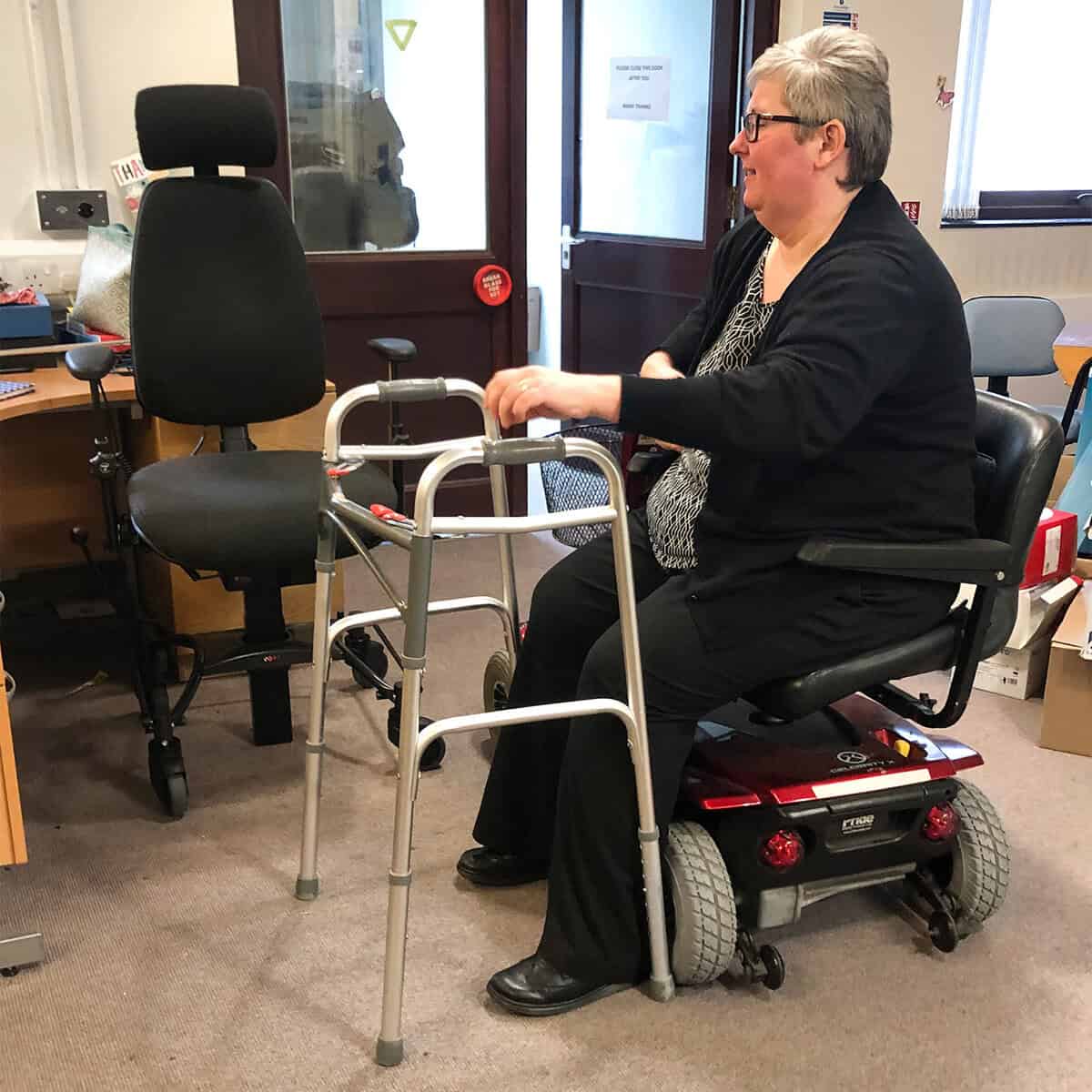
Faced with the challenges found in nursing facilities, many families explore solutions that support older adults’ desire to remain independent within their own homes. One such innovative approach is the VELA Independence Chair, a medically approved mobility chair designed specifically for home use. This chair enhances safety with features like a central brake, offers freedom of movement while seated, and supports daily activities such as cooking, dressing, or transferring—all while reducing the strain on informal caregivers.
Supporting Aging in Place: A Practical Option
Staying independent at home can significantly enhance an aging person’s quality of life, particularly when supported by advancements like the VELA Independence Chair. This chair incorporates features such as electric height adjustability, which eases transfers and enhances safety during everyday tasks. The central brake ensures stability, providing peace of mind during activities like cooking or cleaning, thereby allowing seniors to maintain control and dignity. Furthermore, the chair’s ease of movement reduces fatigue, thereby conserving energy for seniors to partake in their favorite activities. Though VELA offers a well-rounded solution, it’s important to acknowledge that various options exist. The overarching goal shared by aids like VELA is to extend the time seniors can comfortably thrive at home, delaying the potential transition to a nursing facility and reducing the caregiving burden on loved ones. For more details on ways to help seniors at home, look for supportive mobility aids adaptable for various needs.