

Updated September 2025: We have updated the article to include recent advancements in AI-powered assistive devices, smart home integration, wearable robotics, expanded telemedicine, and technology-enabled personalized care. New trends, benefits, and challenges around digital innovation are now reflected, offering a broader perspective on modern care and mobility solutions.
A Legacy of Care: The History and Structure of Westmoreland Manor
Westmoreland Manor stands as a beacon of quality care in Greensburg, Pennsylvania. With over 150 years of service to the residents of Westmoreland County, this government-owned facility has become a trusted cornerstone of the community. Acquired by the county in 1979, the Manor is managed by experienced leaders, including Thomas Degregory and Abby Testa, whose dedication to outstanding care is evident in every aspect of the facility. According to the Centers for Medicare & Medicaid Services, Westmoreland Manor maintains a solid reputation for providing quality health and rehabilitation services, establishing itself as a preferred choice for nursing home care in the region.
Comprehensive Care and Specialized Programs at Westmoreland Manor
Westmoreland Manor excels in offering a comprehensive suite of services tailored to meet the diverse needs of its residents, including skilled nursing, rehabilitation, respite, and hospice care. These services ensure compassionate and comprehensive care at every stage of a resident’s health journey. The Manor also offers specific programs such as medication management and various therapy options including physical, occupational, and speech therapies, reflecting its commitment to holistic care. Recent advancements in assistive technology are shaping care delivery, with a growing emphasis on technology-enabled personalization and safety.
Practical Experience in Nursing Home Environments
For residents, daily life at Westmoreland Manor is enriched by a full calendar of recreational activities, group exercises, and social events that encourage engagement and community. According to the official Westmoreland County Government Website, life at the Manor includes participation in a Resident Council, providing a platform for sharing ideas and enhancing the living experience.
Assessing Quality: Ratings and Performance Metrics at Westmoreland Manor
Westmoreland Manor’s high standards are reflected in its quality ratings. The facility boasts a B+ overall grade from Elder Guide, underscoring its commitment to excellence. With a nurse staffing level of 3.81 hours per resident per day, higher than the state average of 3.8, and a significantly lower nurse turnover rate of 37.4% compared to the state’s 47.0%, these performance metrics highlight the expertise and stability of Westmoreland Manor’s team, which directly contributes to delivering superior patient care. The expansion of smart assistive devices and telemedicine further enhances care quality and accessibility by enabling continuous health monitoring and quicker response times.[1][2][5]
Balancing Benefits and Limitations
While Westmoreland Manor excels in many areas, potential residents should be aware of the facility’s occupancy rate and availability, as these factors can influence wait times and accessibility. Additionally, the adoption of innovative technologies offers great promise, but can also introduce challenges regarding cost, reimbursement, and the need for increased digital literacy among both residents and caregivers.[4][5][6]
Navigating Admission and Financial Aspects at Westmoreland Manor
Understanding admission and financial considerations is crucial for easing the transition into nursing care. Westmoreland Manor accepts both Medicare and Medicaid, providing families with a broad range of financial options. The facility offers a well-structured application process that prioritizes individualized care plans. During admission consultations, staff work closely with families to ensure financial planning aligns with available resources, offering transparency and assurance in managing healthcare costs. As assistive technologies—including AI-integrated wheelchairs and personalized monitoring systems—advance, it is important to note that regulatory changes and reimbursement processes will continue to shape access and affordability.[4][5][6]
Trustworthiness and Transparency
Westmoreland Manor employs a transparent approach to admissions. According to ProPublica’s Nursing Home Data, prospective residents can access comprehensive performance metrics to make informed decisions about the facility.
Exploring Alternatives to Nursing Homes
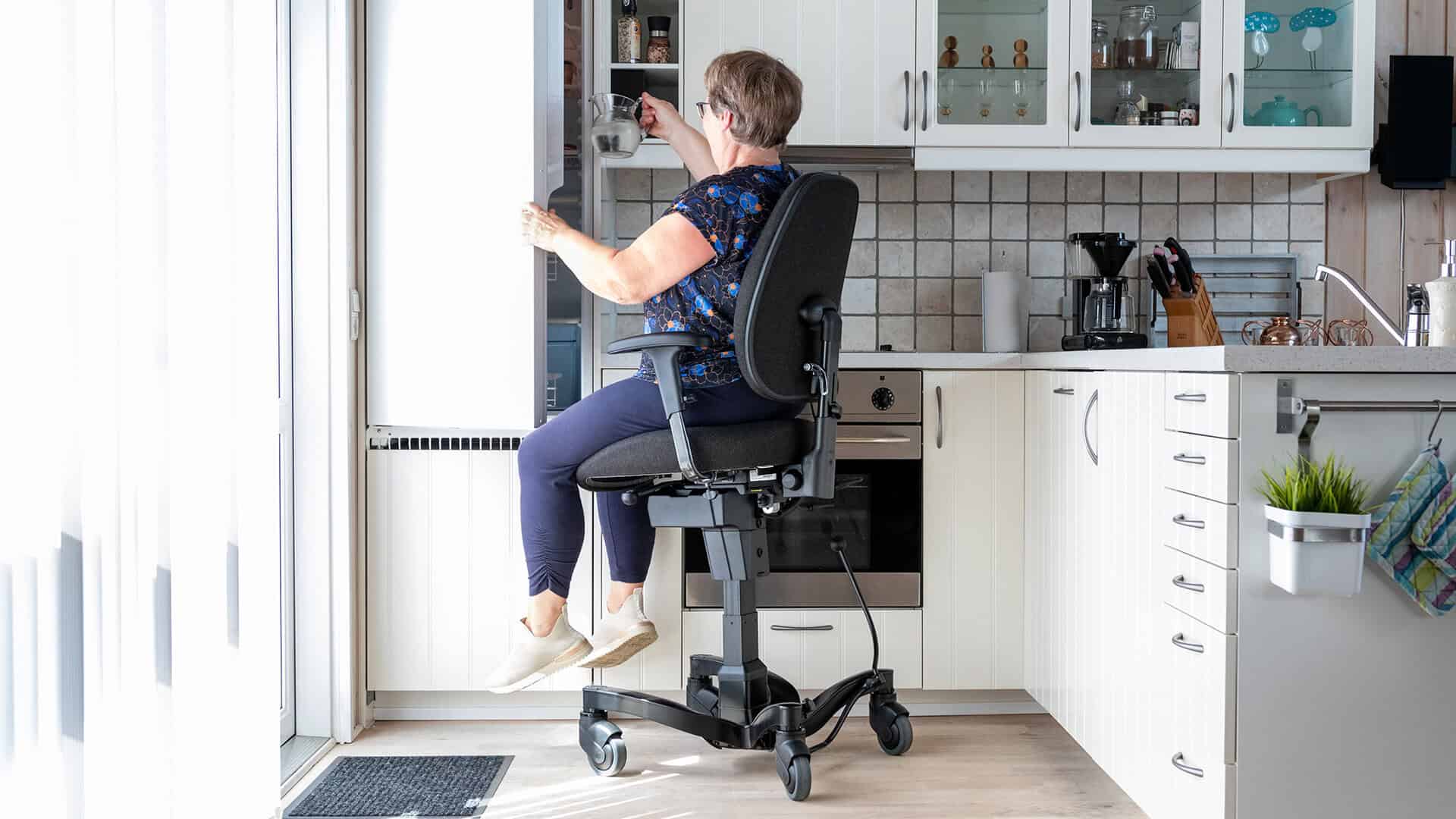
VELA Chairs offer a practical solution for those seeking to maintain independence in their own homes longer, delaying the need for full-time nursing care. The chair supports everyday tasks by providing stability through features like a central brake for safety and electric height adjustability, which make activities such as cooking and cleaning safer and more manageable. With ease of movement even while seated, VELA Chairs make a significant difference in reducing the physical demands on caregivers while enhancing the user’s dignity and freedom. New developments in smart wheelchairs, sensor-laden home environments, wearables, and brain-computer interfaces now complement these solutions, offering increased customization, real-time health tracking, and a safer living space at home. Although these technologies present a promising future for personalized and independent living, challenges such as device costs, insurance coverage, and user training must be considered.[1][2][3][4][5][6] By improving access to mobility, these chairs and advanced technologies can effectively extend the quality of life for older adults, positioning them as viable options alongside traditional residential care solutions like those offered by Westmoreland Manor. VELA chairs benefits for nursing home residents demonstrate their role in enhancing independence and activity levels, ensuring individuals can enjoy the comforts of home with added support.
- [1] HBRHC: The Future of Senior Living
- [2] Everything Medical Online: Latest Trends in Mobility Aid Technology 2025
- [3] UnitedHealthcare Community & State: Enabling Technology Transforming Home-Based Care
- [4] iHealthcare Analyst: Geriatric Assistive Devices Market & Technologies
- [5] PMC (NIH): Integrating AI and Assistive Technologies in Healthcare
- [6] PR Newswire (Technavio report summary): Assistive Technology Market Growth 2025-2029