

Updated February 2026: We have updated the article with the latest trends in assistive technology, including AI-integrated smart wheelchairs, carbon fiber materials for enhanced mobility devices, add-on pressure monitoring systems, and recent innovations in modular and ergonomic designs now standard in skilled nursing and nursing home care.
Updated October 2025: We have updated the article to include the latest advances in assistive technology integration, such as AI-powered wearable robotics, smart wheelchairs, AI-assisted rehabilitation, remote therapy, and recent regulatory changes in skilled nursing and nursing home care.
Understanding the Core Differences Between Skilled Nursing Facilities and Nursing Homes
When families seek long-term care solutions for their elderly loved ones, a common question arises: “What is a skilled nursing facility vs nursing home?” Despite the widespread interchangeable usage of these terms, they describe distinct care environments. Skilled nursing facilities (SNFs) offer high-level medical care and rehabilitation particularly beneficial after a hospital discharge, along with specialized medical procedures under constant medical supervision. On the other hand, nursing homes are residential facilities providing assistance with daily activities over an extended period, focusing on personal care rather than intensive medical treatments. According to United Healthcare, the main differentiation is the intensity and nature of care provided—with SNFs providing comprehensive medical attention under supervision, and nursing homes centering on custodial care.
Level of Care and Medical Services Provided
SNFs are designed to deliver intensive medical care and therapies, such as physical, occupational, and speech therapy, wound care, and intravenous therapy. These facilities employ healthcare professionals adept at providing treatments and monitoring serious health conditions. For instance, a patient recovering from a severe stroke might receive specialized speech rehabilitation and mobility training at an SNF. In recent years, advances such as AI-powered smart mobility devices, brain-computer interfaces (BCIs), and personalized assistive technologies have begun to transform rehabilitation practices within SNFs. Now, wearable medical robots with AI gait analysis, smart wheelchairs with autonomous navigation, and remote telerehabilitation services enable more precise, accessible, and efficient recovery processes, improving outcomes and expanding patient independence. The latest assistive trends include AI-integrated smart wheelchairs with obstacle detection and modular seating, lighter carbon fiber frames for easier maneuvering, as well as add-on systems for pressure monitoring like LUCI, ensuring comfort and reducing injury risk within both SNFs and nursing homes. Innovations such as WheelMove manual wheelchair attachments and all-terrain AI-powered power chairs—which allow stair climbing and greater outdoor access—are being adopted for both short-term rehabilitation in SNFs and long-term support in nursing homes, blurring the traditional lines of care settings. Clinical trials for AI neural bridges further offer promising avenues in mobility restoration for patients with paralysis.
These innovations allow for real-time environmental mapping, collision avoidance, and health monitoring—further enhancing both therapy effectiveness and patient safety. In contrast, nursing homes focus on offering personalized care services such as bathing, dressing, and medication management. A resident might live in a nursing home for years, receiving daily help for Parkinson’s disease symptoms. Hebrew SeniorLife highlights the absence of obligatory specialist rehabilitative services in nursing homes, distinguishing them from SNFs. Both SNFs and nursing homes now widely adopt smart, ergonomically designed assistive devices—including touchless controls and adaptive tools—to further enhance comfort, functionality, and independence.
EverythingMedicalOnline.com; ThinkBeyondTheChair.org; source 4; source 6; source 2; source 4; source 6
Staffing and Medical Expertise
SNFs generally have a larger and more specialized workforce compared to nursing homes, with a higher staff-to-resident ratio consisting of trained medical staff such as registered nurses (RNs), licensed practical nurses (LPNs), and certified nursing assistants (CNAs), all under continuous physician oversight. This medical capacity enables SNFs to deliver precise care plans and respond promptly to complex medical needs. With the growing use of AI-driven technologies and smart assistive devices, SNF staff can now personalize rehabilitation plans with greater accuracy, using real-time data, sensor-based monitoring, and remote telerehabilitation tools to adjust therapies and ensure safety. Integrated modular mobility and ergonomic seating systems now provide more efficient care, reducing caregiver strain and supporting better outcomes for both short-term rehabilitation and long-term residents. These integrated technologies bring new levels of customization, making care more responsive and measurable.
Conversely, nursing homes typically have fewer medically trained staff, aiming for comfort and daily living assistance. However, the increasing presence of affordable smart mobility aids, adaptive input devices, and autonomous wheelchairs is helping nursing staff support residents’ independence and well-being more effectively. Many nursing homes now leverage AI mobility solutions and ergonomic modular seating, bridging care approaches traditionally unique to SNFs.
SeniorLiving.org; Robobionics.in; source 8; source 2; source 6
Cost Considerations and Insurance Coverage
The costs associated with SNFs and nursing homes are significant, varying with the types of care required. Due to specialized medical services, SNFs often incur higher costs. Medicare usually covers SNF stays for short-term, post-hospitalization periods, necessitating close adherence to specified criteria, while Medicaid can assist with long-term care expenses in nursing homes for eligible individuals. Policies from private insurers may offer various coverage options, often with substantial variations in benefits and out-of-pocket costs. Haven Health emphasizes that understanding these financial considerations is vital for family planning around long-term care.
Recent developments in the regulatory and policy landscapes, including updates by CMS in July 2025, show expansion of reporting measures and greater transparency in quality ratings for care providers. Insurance coverage for advanced assistive technologies, including AI-enabled rehabilitation devices and health monitoring systems, is also widening as healthcare frameworks recognize their clinical efficacy, accessibility benefits, and ethical deployment. New regulatory emphasis on tech-enabled accessibility and modular, ergonomic devices—as highlighted at CES 2026—means that modern SNFs and nursing homes are now expected to incorporate such innovations routinely, further enhancing the value and quality of care available to residents.
SeniorLiving.org; source 11; source 16; source 2; source 6
How to Choose Between a Skilled Nursing Facility and a Nursing Home
Determining the appropriate care setting requires comprehensive assessment of the individual’s specific medical needs and long-term goals. For instance, a patient needing recuperation after hip replacement surgery would likely benefit more from an SNF. In contrast, a loved one needing supervision and assistance with dementia might be more settled in a nursing home environment. Critical steps to making an informed decision include touring prospective facilities, asking tailored questions, and consulting healthcare experts. According to SeniorLiving.org, key inquiries about staff-to-resident ratios, quality of care planning, and available activities are essential in evaluating a facility’s suitability.
Additionally, exploring each facility’s access to the latest assistive technologies—such as AI-enabled devices, wheelchair or walker options with adaptive features, wearable robotics with health monitoring, and integrated telerehabilitation platforms—can significantly influence patient comfort, autonomy, and recovery outcomes. Innovative solutions from current assistive technology providers, including modular power system attachments, pressure relief seating, and remote rehabilitative care, are playing an increasingly important role in both short-term and long-term care settings. Families should inquire about availability of smart, adjustable wheelchairs, modular seating, and AI mobility tools, as these can reduce caregiver strain and ensure the highest standards of comfort and safety for residents.
Robobionics.in; source 17; source 2; source 6
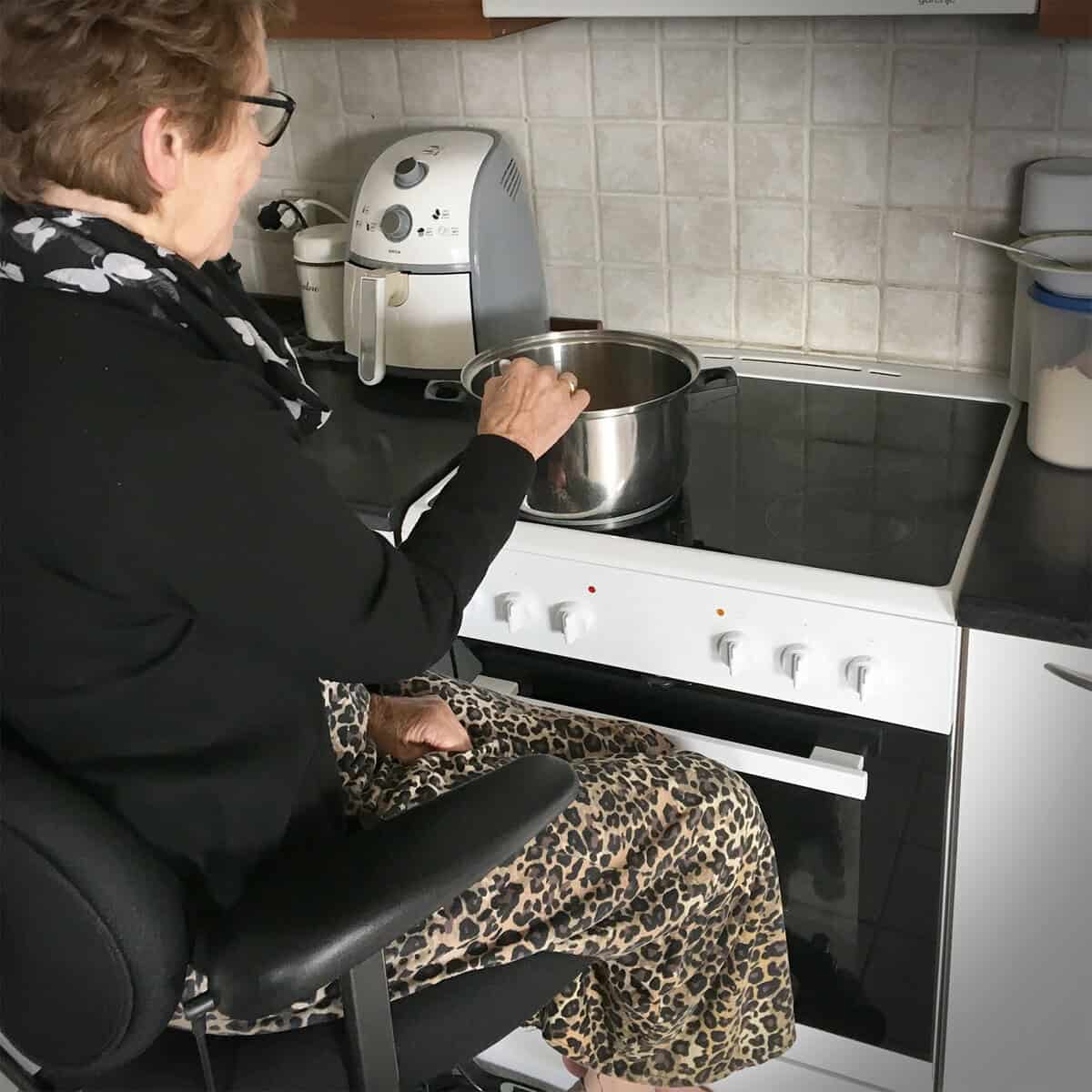
When traditional residential care options like nursing homes or skilled nursing facilities are considered, one challenge that emerges is the desire of many seniors to retain autonomy within their own homes for as long as possible. Enter solutions designed to enhance home-based independence, such as VELA Independence Chairs. These are medically approved mobility chairs tailored for home use. VELA Chairs provide advanced safety features, enable free movement while seated, support daily activities like cooking and dressing, and significantly reduce the burden on informal caregivers by making daily tasks easier and safer. By incorporating such innovative tools, seniors can enjoy enhanced quality of life, potentially delaying the need for facility-based care.