

Updated February 2026: We have updated the article to include new developments in technology integration for mobility and aging in place, advances in AI-powered and modular assistive devices, regulatory changes emphasizing value-based care and staffing improvements, and 2026 trends in personalized rehabilitation, preventive care, and continuum-of-care models within skilled nursing homes.
Updated October 2025: We have updated the article with new findings on AI-powered wearable assistive technologies, ergonomic and inclusive innovations for daily living, 2025 Medicare reimbursement and regulatory changes, emerging industry trends in skilled nursing facility operations, and the growing importance of health technology assessment frameworks.
What is a Skilled Nursing Home?
A skilled nursing facility (SNF) is a highly specialized healthcare institution that provides intensive medical and rehabilitation services. These facilities cater to individuals requiring more than basic custodial care, offering professional nursing and therapy. According to the Centers for Medicare & Medicaid Services (CMS), a skilled nursing facility primarily delivers essential nursing care and rehabilitation services to injured, disabled, or sick individuals. Over one million Americans use SNF services annually, playing a vital role in supporting those recovering from surgeries, managing chronic illnesses, or needing comprehensive rehabilitative therapies.
Skilled nursing facilities provide a wide range of services, including physical, occupational, and speech therapy, all under the careful supervision of licensed health professionals. These services are meticulously tailored to meet the unique needs of each patient. A study documented in CMS publications highlights the significant improvements in mobility and overall health that patients often experience following specialized care in an SNF.
Skilled Nursing Facility vs. Nursing Home: Key Differences
While skilled nursing facilities and traditional nursing homes may appear similar, they serve distinctly different purposes. Skilled nursing facilities are focused on short-term rehabilitative care, aiming to help patients return home efficiently. In contrast, nursing homes primarily provide long-term custodial care. According to UnitedHealthcare, SNFs provide hospital-level care through trained registered nurses and other licensed professionals, offering complex medical treatments and rehabilitation therapies that nursing homes do not.
In SNFs, staff qualifications are considerably more robust than those in typical nursing homes. Licensed health professionals, such as registered nurses and certified therapists, provide detailed medical interventions. Meanwhile, nursing homes generally focus on assisting residents with everyday living activities. The average length of stay in a skilled nursing facility tends to be shorter, centered on achieving swift recovery and discharge back home. According to CMS, such facilities are an integral transitional hub between acute care hospitals and returning fully independent to everyday life.
Recent Advances in SNF Technology and Rehabilitation
By 2026, skilled nursing facilities have further embraced groundbreaking advances in assistive technology, with a strong focus on technology integration for both mobility enhancement and aging in place. AI-powered mobility devices—including autonomous and obstacle-detection wheelchairs, such as those using the LUCI add-on or Robooter X40 systems—enable users to independently navigate facility and home environments while greatly reducing staff dependency.[2] [4] [6] [3]
There is expanded use of modular and ergonomic designs for better comfort and adaptability, such as adjustable seating, customizable pressure-relief cushions, and lighter, carbon fiber mobility frames—making it easier for both residents and caregivers during transfers or daily activities.[7] Personalized rehabilitation is furthered by smart assistive devices and AI-driven tools that can forecast health, predict falls, track progress, and suggest individualized rehab pathways. Brain health and cognitive wellness programs delivered through virtual platforms and wearables are now regularly integrated into care plans across the industry.[7] High-acuity clinical services, such as on-site dialysis, are increasingly part of SNFs, reflecting a broader and more complex scope of care.[5]
Trends in user feedback show rising enthusiasm for self-directed mobility, preventive care, and technology-supported caregiving—all supporting the move toward aging-in-place models and hybrid care settings that bridge SNF, assisted living, and home-based supports.[3]
Industry Trends, Staffing, and Regulatory Changes in 2026
Industry trends as of 2026 show skilled nursing homes transforming into tech-forward, hybrid hubs that blend traditional SNF, assisted living, and preventive wellness services. Regulatory changes include stricter staffing ratios and reporting under new CMS Payroll-Based Journal (PBJ) requirements and updated Medicare benchmarking for quality outcomes.
The skilled nursing workforce has expanded by over 40,000 jobs in the last year to meet higher-acuity resident needs, reflecting emphasis on value-based care models and interdisciplinary collaboration.[13] Preventive care, AI decision support, and enhanced infection control protocols are now standard practice. The spread of continuum-of-care models—offering seamless transitions between skilled nursing, rehabilitation, and independent or assisted living—meets the increasing consumer demand for long-term wellness and personalization.[11] [5]
Navigating Medicare Coverage for Skilled Nursing Facility Care
Understanding Medicare coverage for skilled nursing facility care is crucial. Medicare.gov outlines that Medicare Part A covers SNF care under specific conditions, which include a qualifying 3-day inpatient hospital stay. Once eligible, Medicare covers up to 100 days of skilled nursing facility care per benefit period. The first 20 days are fully covered by the Part A deductible. In 2025, an increase in Medicare Part A payments of 4.2% offered some financial relief for SNFs and may enhance access to advanced rehabilitation technologies.[3] Regulatory and reimbursement changes continue into 2026 as CMS expands benchmarking to further tie payments to clinical outcomes and care quality.[11]
Deciding When Skilled Nursing Facility Care is Needed
Deciding whether skilled nursing facility care is necessary involves a careful assessment of an individual’s medical and rehabilitation needs. Common indicators include post-hospital recovery, severe medical conditions, or the need for rehabilitation post-surgery. Patients who benefit most from SNF services often require extensive therapy and comprehensive nursing interventions. Increasingly, these interventions are supported by the latest advanced assistive technologies, promoting greater independence and higher quality of life.[4] [2]
- Recent hospitalization with complex ongoing medical care needs
- Necessity for physical, occupational, or speech therapy interventions
- Difficulty in managing daily activities independently
- Requirement for specialized medical supervision or equipment
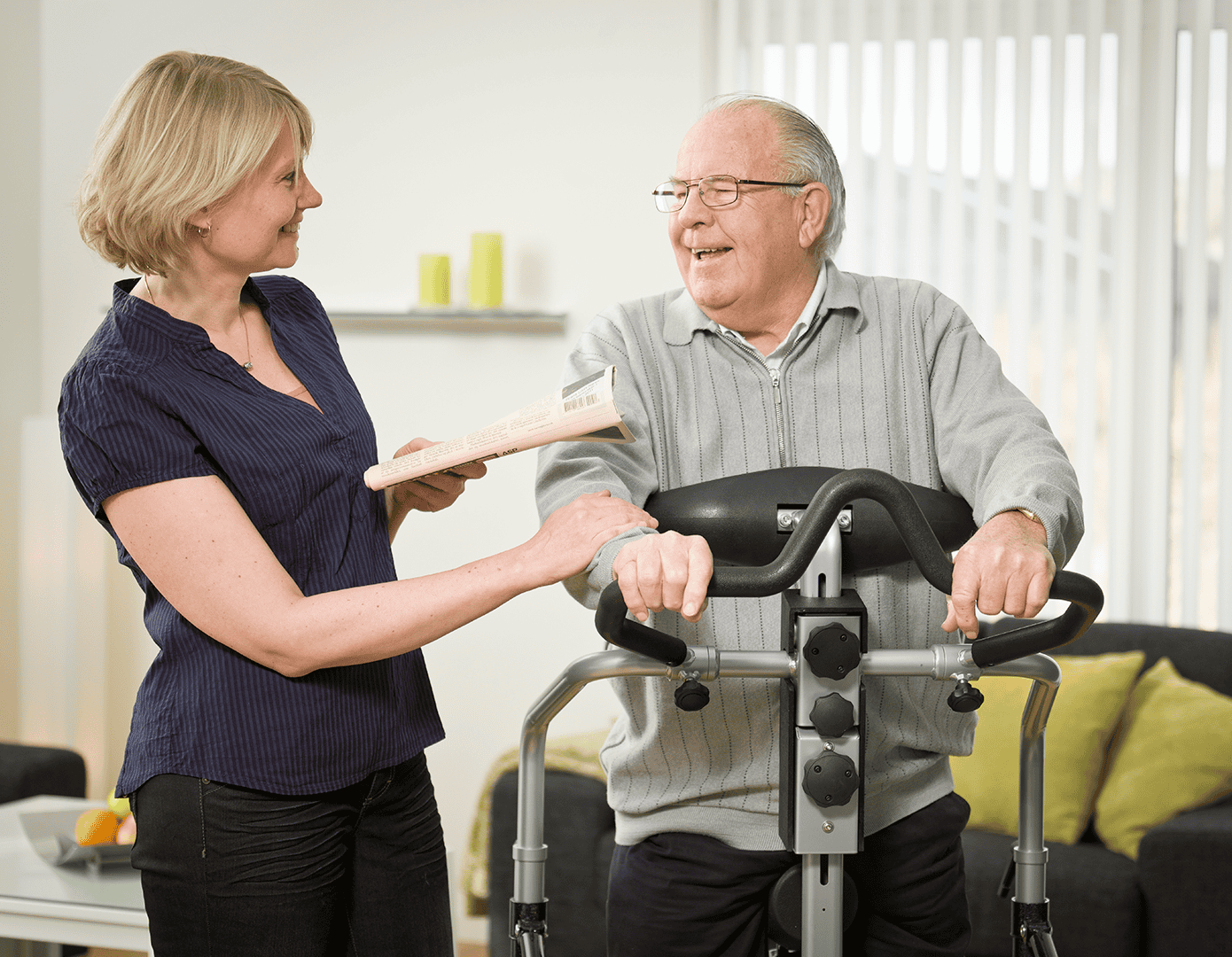
The transition from hospital care to traditional nursing homes can be daunting for individuals who require significant support yet wish to maintain some level of independence at home. For many older adults, remaining at home with the right support can greatly enhance their quality of life. Solutions like the VELA Independence Chair present a practical option. VELA is a medically approved mobility chair designed for home use, providing enhanced safety and freedom while seated. It supports daily activities such as cooking, dressing, or transferring, effectively reducing the physical and emotional load on informal caregivers. This chair empowers individuals to function safely and independently within their own homes, bolstering dignity and comfort while potentially delaying the need for nursing home care.
Exploring Alternatives to Nursing Homes
Mobility solutions like the VELA Independence Chair play a crucial role in allowing people to stay independent longer at home. With features such as a central brake for enhanced safety, electric height adjustability, and ease of movement while seated, it addresses common challenges faced by individuals who might otherwise require nursing home care. The chair helps manage everyday activities like cooking or transferring, which are often problematic for those with mobility issues. By providing a safe and supportive environment, the VELA Chair can delay the transition to long-term care facilities. Such solutions not only foster a sense of dignity and freedom but also enable individuals to conserve energy for their favorite activities. Mobility Aids for Seniors enhance independence at home, while Fall Prevention Strategies can significantly reduce the risks that lead to nursing home admissions. While VELA is not the only solution, it is a proven, practical option for supporting aging in place. In 2025 and beyond, the availability of smarter, more adaptive, and user-centered technologies will continue to expand the options for independent living and rehabilitation outside of institutional care settings.[2] [4] [6] [1] [7]