

Updated February 2026: We have updated the article to reflect recent advancements in AI-powered assistive technologies for reduced mobility, including smart wheelchairs (such as LUCI and WheelMove), AI navigation aids, and wearable devices. These innovations are reshaping independence levels in assisted living, evolving care standards, and enhancing rehabilitation and safety. The article now highlights trends toward technology integration in both assisted living and nursing homes, with updated sources from CES 2026 and leading accessibility organizations.
Understanding the Difference Between a Nursing Home and Assisted Living
When considering long-term care options for seniors, understanding the difference between nursing homes and assisted living facilities is crucial. These care solutions cater to varying levels of medical support, independence, and lifestyle preferences. According to the National Institute on Aging, nursing homes provide comprehensive health services, while assisted living facilities offer a more independent lifestyle with access to personal and some health-related care services. Understanding these differences can help families make informed decisions that best suit their loved ones’ needs.
Medical Support: Differentiating Care Levels
One of the primary distinctions between nursing homes and assisted living facilities is the level of medical support each provides. Nursing homes offer 24-hour supervision and are staffed with licensed nurses and healthcare professionals who cater to residents requiring significant medical care and assistance with daily activities. This setup is ideal for individuals with severe health conditions or those recovering from surgery, who need constant medical oversight.
Recent advancements have led to significant changes in the implementation of medical support within these care settings. Assisted living facilities are now integrating advanced AI-powered mobility aids, such as smart wheelchairs with autonomous navigation capabilities (including LUCI and WheelMove), pressure sensors, and real-time safety features. AI-based wearable devices, AR/VR technologies for rehabilitation, and voice-controlled environmental controls allow residents to maintain higher levels of independence with less reliance on staff. These technologies enable more complex resident profiles to remain in assisted living longer, as mobility and daily tasks can be managed with less hands-on support. Ethical, user-centered design and gamified rehab tools promote engagement even for those with limited dexterity or cognitive impairment. This bridges the gap between the clinical intensity of nursing homes and assisted living’s emphasis on autonomy, supporting more personalized care.Mobility Management AbilityMT.org Digital Learning Institute Be Accessible
According to Senior Services of America, while both options provide high-quality care, the key lies in assessing the individual’s health requirements and personal preferences. Today’s care planning increasingly recommends the integration of advanced assistive technologies as part of individualized approaches, as suggested by new regulatory guidelines.World Health Organization Robobionics Equal Accessibility LLC
Living Spaces: From Medical Facilities to Home-Like Settings
The physical layout and environment of nursing homes and assisted living facilities also differ. Nursing homes generally resemble medical facilities, with shared rooms and a clinical atmosphere, emphasizing functionality and accessibility for medical treatments. In these settings, residents often share dining and activity spaces designed to accommodate medical equipment and facilitate routine medical procedures.
Recent shifts in design practices now emphasize AI-enhanced accessibility and personalized assistive technologies alongside traditional ergonomic improvements. Mobility aids have advanced to include all-terrain power chairs that can navigate stairs (such as XSTO), AI-guided devices for blind or low-vision navigation, and interactive rehabilitation systems that optimize recovery in communal and private spaces. Smart home integrations, pressure-monitoring systems, and adaptive controls further enhance both safety and user autonomy, promoting greater inclusion and optimizing living environments.PMC Equal Accessibility LLC IT Supply Chain
In contrast, assisted living communities are designed to resemble residential apartments or homes, promoting a warm, welcoming atmosphere that encourages independence. Private and semi-private accommodations are common in assisted living, emphasizing community engagement with shared amenities like gardens, dining halls, and recreation rooms. As residents in assisted living often seek a balance between independence and support, these settings are crafted to offer comfort and an active lifestyle, according to Sonata Senior Living. Adoption of technology-enhanced accessibility tools, such as AI-driven speech recognition, smart home systems, and wearable technologies, is making these environments more inclusive and responsive to diverse needs.Equal Accessibility LLC Digital Learning Institute
Financial Considerations: Costs and Coverage
Choosing between a nursing home and assisted living can significantly impact finances. The national average cost of residing in a nursing home is approximately $10,646 per month for a private room, while assisted living facilities average about $5,900 monthly, reports the American Seniors Housing Association. These costs typically cover accommodation, meals, activities, and basic health services, though it’s important to verify exactly what’s included in each facility’s monthly fees.
Insurance and payment options also play a role in decision-making. While Medicaid and Medicare may cover some nursing home costs, assisted living often requires out-of-pocket payment, supplemented by long-term care insurance if applicable. Therefore, it’s essential to understand the payment structures and financial commitments involved in each option. From personal experiences, families have found that careful planning, including consultation with financial advisors, can ease the burden of funding these services. Recent regulatory adjustments, such as updates to CMS nursing home quality reporting starting July 2025, are enhancing transparency and oversight in nursing home performance. These changes, alongside the integration of assistive technologies into standard care packages, may impact cost structures and expand coverage options in the future.Villagewalk Senior Living CMS.gov
Everyday Living: Activities and Amenities
Life in nursing homes and assisted living facilities offers distinct experiences. Nursing homes typically focus on providing a secure environment with essential medical care, routine activities aimed at maintaining residents’ health, and communal meals tailored to specific dietary needs. Such facilities often feature specialized services like physical therapy, which can be crucial for residents with ongoing rehabilitation needs.
Innovations in rehabilitation devices and user-focused design have expanded opportunities for residents to engage in therapy and wellness activities. Robotics, functional electrical stimulation devices, and AI-assisted therapy tools now enable more effective movement, participation, and individualized care, supporting better health outcomes and satisfaction in both settings. New devices such as the WheelMove propulsion unit, SEERU awareness systems, and AR/VR-based exercise programs highlight the growing importance of technology-driven rehab and safety in daily routines.PMC AbilityMT.org Mobility Management Be Accessible
Assisted living environments, on the other hand, emphasize enabling residents to lead more autonomous lives with diverse recreational activities, socialization opportunities, and community involvement. Dining options often resemble restaurant-style menus offering greater choice and flexibility, catering to personal preferences while ensuring nutritional needs are met. Incorporation of AI-based accessibility technologies, such as real-time communication aids or smart home features, further enhances social engagement and inclusivity. Wellness programs and holistic care models that blend independence with assistance are becoming increasingly common. With advanced assistive and wearable technologies, assisted living now supports a wider range of needs, helping residents delay transitions to higher levels of care. This environment fosters engagement and enhances life satisfaction by prioritizing both well-being and personal interests, as supported by personal stories from residents shared by Sonata Senior Living and recent user experience research.Robobionics PowWow LLC Digital Learning Institute
Supporting Aging in Place: A Practical Option
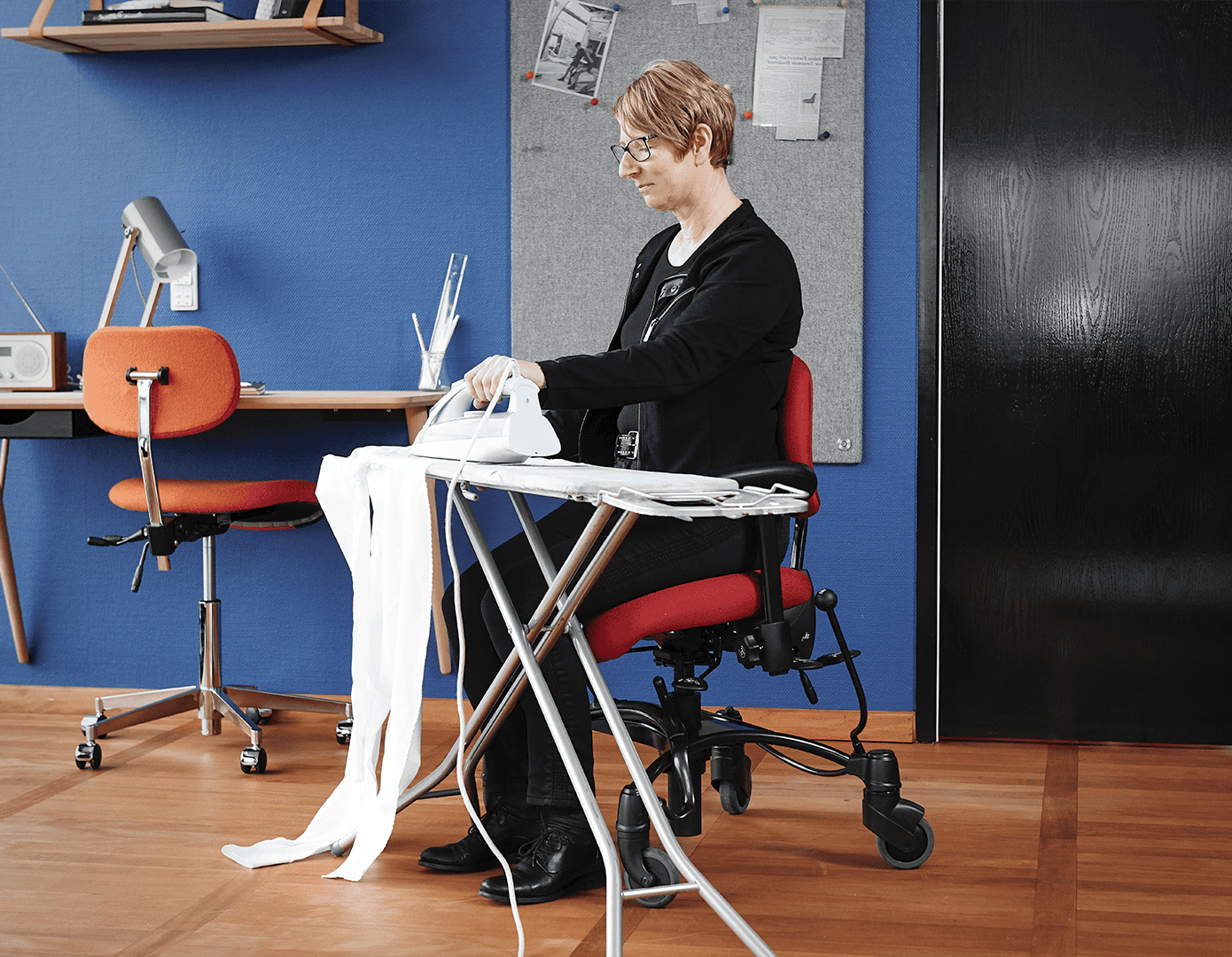
For many seniors and their families, remaining at home as long as possible is a valued goal. Mobility solutions like the VELA Independence Chair can make this more attainable by addressing key concerns such as safety, energy, and ease of movement. Features like the central brake ensure safety, while electric height adjustability allows seniors to manage everyday tasks with less strain. This support can delay a move to a nursing home, thereby offering an alternative that preserves dignity and freedom. The everyday use of a mobility chair enables seniors to continue engaging in cooking, cleaning, or simply relaxing in their homes. While VELA chairs are not the only solution available, they represent a proven option that supports aging in place effectively. Today’s technology-driven supports—including AI-powered navigation glasses, autonomous mobility devices, smart home integrations, and wearable health sensors—further reinforce the practicality and appeal of aging in place. These innovations enable safer, more independent living and may postpone or even replace the need for institutional care for some individuals. Families considering these choices often find such practical aids invaluable in maintaining a loved one’s independence for longer.Think Beyond the Chair PowWow LLC Mobility Management AbilityMT.org