

Updated January 2026: We have updated the article with new regulatory changes affecting assisted living and nursing homes, including state and CMS mandates on staffing, administrator and dementia training, public reporting, electronic visit verification, and enhanced infection control, as well as the standardization of mobility aids and equipment. These updates highlight shifts toward higher clinical oversight, outcome-based quality measures, and increased transparency in both care settings.
What Is the Difference Between Assisted Living and Nursing Homes?
Selecting the right senior care is a decision that greatly impacts the quality of life for our loved ones. At the core of this decision is understanding the distinction between assisted living facilities and nursing homes. Both offer valuable services but cater to different needs in elder care. Knowing their differences enables families to select the environment that best suits their loved ones’ requirements.
Understanding Assisted Living: A Focus on Independence
Assisted living facilities provide support for individuals who need help with routine activities yet seek to maintain a level of independence. According to the National Institute on Aging, assisted living is designed for people who require assistance with daily care but do not need constant, advanced medical attention. Residents typically live in private apartments or rooms within a community setting that offers personal care services, such as help with Activities of Daily Living (ADLs), meal preparation, and social activities. For example, a resident might need assistance with dressing in the morning but can independently participate in social events like a book club or musical activity organized within the facility.
The environment in assisted living emphasizes autonomy, encouraging residents to partake in community events and activities. A Place for Mom explains that these communities support seniors who are generally active but may need some support with everyday tasks. Personal stories, such as those from residents who enjoy the freedom to engage in social clubs or volunteer within their communities, highlight the benefits of assisted living. For instance, one might find a resident participating in volunteer activities like community gardening, which provides them with a sense of purpose and routine.
Recent innovations in assistive technology are increasingly present in assisted living communities. Devices such as AI-powered smart glasses with real-time object and facial recognition, wearable devices that monitor and adjust seating for comfort, adaptive mobility aids, and GPS-enabled canes now help residents maintain independence even when mobility or sensory challenges arise. These technologies promote greater autonomy, improve participation in community activities, and contribute to safety and quality of life by offering proactive support for common daily challenges. Rehabilitation services increasingly benefit from inclusive, user-centered product design, and partnerships with external therapy providers are becoming more common, bringing specialized care onsite and enabling residents to remain in familiar environments while receiving advanced therapeutic interventions. With updates to funding mechanisms and regulatory frameworks, access to advanced assistive devices is becoming more feasible through insurance coverage and dedicated grant programs, enabling a broader range of individuals to benefit from these state-of-the-art solutions. Enhanced best practices also call for personalized care plans that fully integrate technology and ergonomic standards.[1][4][6][7][3][8]
[9]
[10]
Assisted living settings are experiencing substantial regulatory advances. As of 2025, many states have expanded training requirements for direct care staff and administrators, with specific mandates for dementia care and role-based competencies.[9] Updates emphasize public transparency in staffing levels, outcome-based quality measurement (such as reduced falls and infection rates), routine infection control standards, and the implementation of electronic visit verification (EVV) for Medicaid-funded services.[10] These regulatory changes are narrowing the traditional gap between “home-like” assisted living and more clinical care models, leading to improved safety and oversight while maintaining a focus on resident independence and community participation.
Exploring Nursing Homes: Comprehensive Care for Complex Needs
Nursing homes, on the other hand, are designed for individuals who need significant medical care and supervision. They offer 24-hour skilled nursing services and manage chronic health conditions. According to Medicare.gov, nursing homes provide a more clinical, hospital-like environment where residents may share rooms and have access to medical staff around the clock. A typical day might involve scheduled medical treatments, therapy sessions, and assistance with bathing and eating, all supervised by healthcare professionals.
Nursing homes are highly regulated by federal and state governments to ensure they meet stringent Medicare and Medicaid standards. Staff members typically include registered nurses and certified nursing assistants, all trained to provide comprehensive care for serious health issues. For instance, case studies often underscore scenarios where intensive medical care, such as post-operative rehabilitation or complex medication management, is crucial, illustrating the necessity of nursing home care for residents with advanced health needs. Enhanced integration of assistive technologies—including brain-computer interfaces (BCI) enabling intuitive control of artificial limbs, autonomous wheelchairs with AI-powered obstacle detection, adaptive sensors, real-time health monitoring, voice and facial recognition controls, and wearable safety devices—are now being widely adopted in nursing homes. These devices provide residents with increased independence within a medical care environment and support highly personalized, effective care plans. The growing use of innovative rehabilitation strategies, improved mechanical and ergonomic device design, and collaboration with specialized therapy providers contribute to more positive outcomes and alignment with current regulatory best practices.[5][8][2][3][6]
Recent federal regulations have increased requirements for nursing home staffing, transparency, and infection control. By May 2026, non-rural nursing homes will be required to maintain a registered nurse on site 24 hours per day.[12] CMS has also extended the Medicare revalidation deadline for skilled nursing facilities to January 1, 2026, supporting ongoing compliance.[11] In addition, infection prevention protocols, dementia care training, and public reporting of staffing levels are now mandated, reinforcing quality care, patient safety, and the clinical nature of these facilities. Access to mobility aids, including wheelchairs and mechanical lifts, is now routinely provided as a standard of care in nursing homes.[10]
Key Differences: Assisted Living vs. Nursing Homes
The differences between assisted living and nursing homes can be categorized into specific aspects such as levels of care, living arrangements, and costs. Assisted living focuses on supporting independence; residents enjoy private living quarters and engage more freely in community life. In contrast, nursing home residents often share living spaces and adhere to structured routines necessitated by healthcare requirements.
Medical services vary significantly as well. Assisted living facilities provide limited medical care, mainly concentrating on personal care and support. In contrast, nursing homes offer comprehensive medical monitoring and treatment for severe health issues, often facilitated by a team that includes on-call physicians and healthcare specialists. According to HumanGood, decision-makers should consider both financial options and insurance coverage, as nursing homes might be partially covered by Medicaid under certain conditions, which makes them typically more expensive.
Adoption of advanced assistive technologies—including AI-enabled mobility devices, brain-controlled prosthetics, smart monitors, and shared control interfaces—now help bridge gaps in independence and safety for residents in both care settings. These solutions enhance functionality, reduce caregiver burden, and allow for more flexible, personalized care plans, reflecting current regulatory and research-based guidelines for senior care.[1][6][4][3]
As of 2025, both assisted living and nursing homes have moved toward increased public transparency through public reporting of staffing and care outcomes. Assisted living, in particular, is subject to more outcome-based measures and infection control standards that narrow its environment’s traditional separation from clinical care, with an ongoing focus on supporting residents’ independence.[9][10]
Making the Right Choice: Factors to Consider in Senior Care
Choosing between assisted living and nursing homes hinges on various factors, including the individual’s health needs, desire for independence, and family dynamics. Criteria for this decision could include the nature of medical care required, the level of daily assistance needed, and the individual’s personal preferences for social involvement and autonomy. It’s important to separate fact from opinion; for example, while assisted living offers more independence, it may not be suitable for those needing intensive medical care.
As families navigate these choices, tools such as a checklist or guided questions can help streamline the decision process. Questions to consider might include: How important is the level of medical supervision needed? Are there specific social or communal activities desired by the individual? Evaluating these aspects can provide clarity in selecting the right care option.
In both assisted living and nursing homes, personalized care plans that incorporate new assistive and mobility technologies—ranging from smart home automation and GPS-enabled canes to ergonomic wheelchairs and shared human-device interfaces—can significantly enhance quality of life and autonomy, especially for those with complex medical needs. Regulators and care providers are recommending more inclusive product development and adherence to updates in ergonomic and accessibility standards, to better meet diverse needs and ensure safety and efficacy in current care environments.[1][7][8]
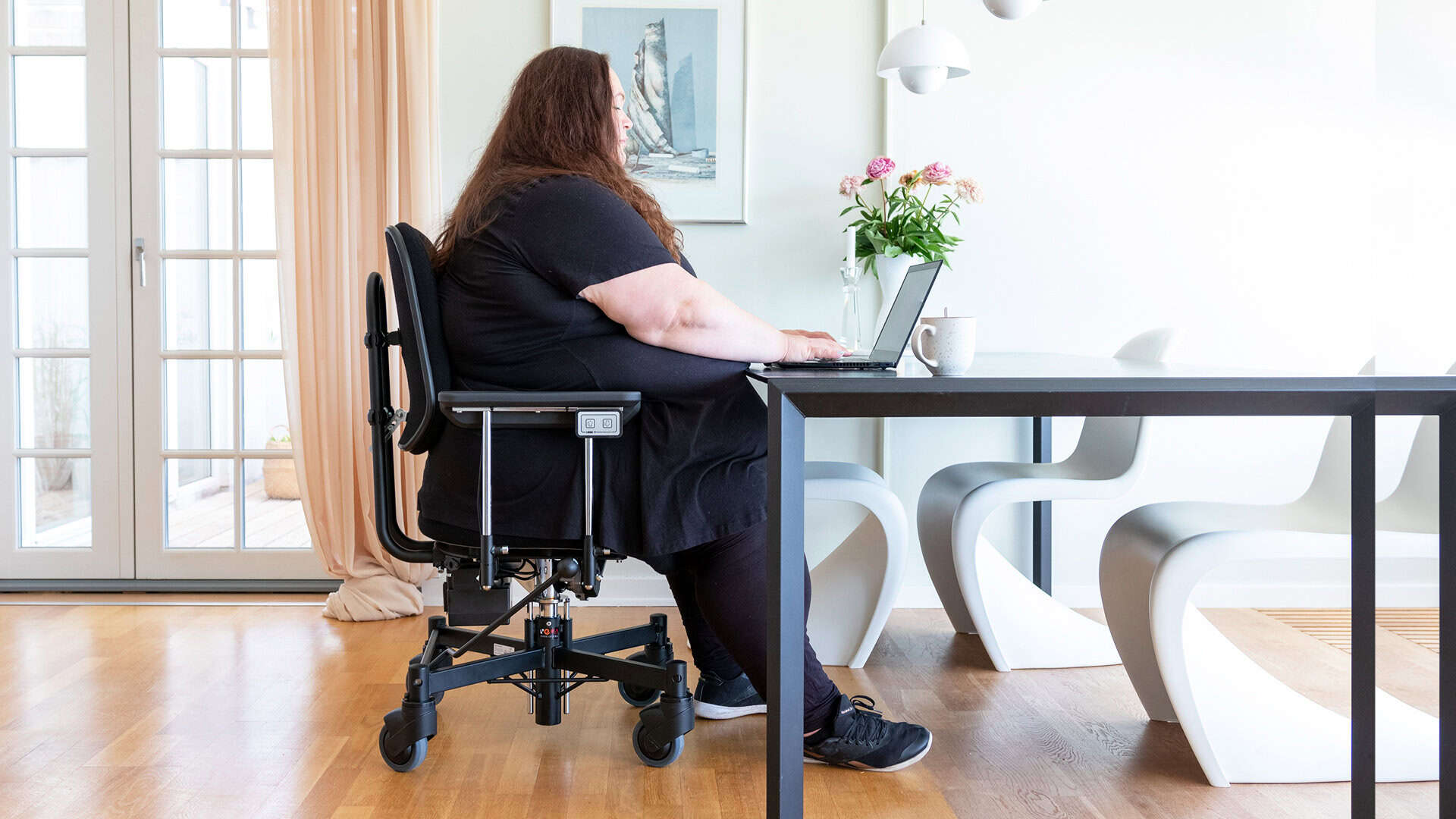
Deciding between assisted living and nursing homes often prompts families to explore how seniors can preserve their independence at home. For those not yet needing extensive nursing care, solutions like the VELA Independence Chair offer a practical alternative. This medically approved mobility chair enhances safety and freedom of movement while seated, supporting daily activities such as cooking, dressing, or transferring, ultimately reducing the strain on informal caregivers.
Exploring Alternatives to Nursing Homes
Mobility solutions like the VELA Independence Chair offer seniors the possibility to remain at home longer, maintaining independence and improving quality of life. Features such as a central brake for enhanced safety, electric height adjustability for reaching high and low places, and ease of movement while seated address common safety and mobility challenges. These features can delay the need for nursing home care by ensuring that everyday tasks—such as preparing meals, cleaning, or even lounging comfortably—are manageable with less physical strain. The chair not only provides vital physical benefits but also supports values of dignity, freedom, and energy conservation in daily life. While the VELA Chair is a proven solution, individuals should explore various options to find the right fit for their needs.
- Healthline (2025-08-05): Updated summary differentiating assisted living and nursing homes, including cost and care level data
- Dawn Carr, “Revolutionizing Accessibility: The Latest Innovations in Assistive Technology 2025” (2024-12-31)
- ThinkBeyondTheChair.org (2025-02-07): Coverage of AI-driven smart glasses, brain-controlled prosthetics, and other advanced devices
- EqualAccessibility.co (2025-03-19): Overview of assistive technologies including screen readers, voice recognition, adaptive devices, prosthetics, and exoskeletons
- APlaceforMom.com (2025-03-28): Insights into assessment and care criteria for assisted living vs nursing homes with references to technology integration
- AbilityMT.org (2025-08-01): In-depth report on smart wheelchair technology, including autonomous navigation and ergonomic adaptations
- NursingHomeLawCenter.org (2024-10-02): Care level distinctions highlighting rehabilitation and skilled nursing services in nursing homes
- Charter of Brookfield (2025): Updates on assisted living and nursing home care, regulatory changes, and partnerships with therapy providers
- NCAL 2025 Assisted Living State Regulatory Review: Details 2025 state changes in staffing, training (20% of states for direct care)
- CareAcademy on New Rules for Assisted Living: Covers CMS updates on infection control, dementia training, EVV, staffing transparency
- Reed Smith on Long-Term Care Updates: CMS SNF revalidation extension to Jan 1, 2026
- Wilson Elser on Staffing Changes: Minimum RN staffing by May 2026 in non-rural facilities