

Updated February 2026: We have updated the article with the latest advancements in AI-powered assistive technologies, modular and lightweight mobility devices, enhanced assisted living models with integrated rehabilitation therapies, and trends in customizable ergonomic design. We also address the emergence of new accessibility systems showcased at CES 2026, such as WheelMove and MaaS-Bridge, and highlight the growing focus on tech-driven personalization for greater independence in both assisted living and nursing home environments.
Understanding the Difference Between Assisted Living and a Nursing Home
When deciding between assisted living and a nursing home, understanding their unique features is crucial for making an informed choice. Both serve significant roles in senior care but differ in the level of support and the kind of environment they provide. According to the National Institute on Aging, assisted living is tailored for individuals who need help with daily activities but not the intensive medical care that nursing homes offer.
Exploring Assisted Living: A Focus on Independence
Assisted living communities are vital in promoting as much independence as possible for seniors who are generally autonomous but need some assistance. These facilities offer help with daily tasks such as bathing, dressing, and medication management within a supportive environment. Residents typically reside in private rooms or apartments and have access to shared dining options and recreational facilities. The primary aim is to enhance quality of life through social activities and personalized care plans.
Facilities such as those managed by A Place For Mom thrive by accommodating seniors who enjoy social interaction but may require assistance with everyday tasks. “Having the freedom to engage in activities while knowing assistance is available if needed,” one resident notes, illustrates the balance of independence and support that defines assisted living.
Recent advancements in assisted living reflect a new era of assistive technology. Modern communities are adopting AI-powered smart wheelchairs equipped with obstacle detection, pressure-relief seating, and voice or shared-control interfaces, significantly enhancing resident mobility and autonomy. Lightweight, modular exoskeletons and prosthetics, including carbon fiber designs, now make it easier for residents to transfer safely and maintain stability during daily activities. These devices, often customizable for ergonomic comfort, also offer cost-saving benefits by reducing caregiver strain and decreasing the need for manual rehabilitation interventions.
Emerging accessibility systems showcased at events like CES 2026—such as WheelMove mobility enhancers and MaaS-Bridge—are beginning to appear in assisted living communities, further supporting seamless access and integration with other services. “Enhanced assisted living” models are now bridging the traditional gap between standard assisted living and nursing homes. These models provide integrated rehabilitation therapies and advanced accessibility solutions—such as modular seating and quieter, stair-friendly lifts—while avoiding the need for full clinical oversight.
Expanded adoption of these innovations, alongside tele-rehabilitation platforms and smart home upgrades, enables greater independence and wellness for individuals with a broader range of mobility needs.
Healthline, Healthline Mobility Aid Technology, Think Beyond the Chair, Healthline, A Place for Mom, PMC, Equal Accessibility LLC, AbilityMT.org, WHO, ATIA, Mobility Management, Universal Health Products, AbilityMT, Living Care Lifestyles, Accessibility Innovations.
Nursing Homes: Comprehensive Care and Medical Support
In contrast, nursing homes cater to individuals with significant health needs requiring constant medical attention. Services include round-the-clock medical care, a higher staff-to-resident ratio, and specialized support like physical therapy and end-of-life care. This environment suits those recovering from surgery or managing chronic illnesses, where ongoing healthcare is critical.
Nursing homes are also embracing cutting-edge assistive technologies. Facilities increasingly use all-terrain, AI-powered power chairs (such as the XSTO X12), advanced AI-driven monitoring equipment, modular seating, and lightweight carbon fiber devices for easier transfers and enhanced stability. Sensor-connected wheelchairs with autonomous navigation, pressure-relief seating, and health-tracking features are now common, while wearable exoskeletons and smart prosthetics support on-site rehabilitation and daily mobility. These advances, along with accessibility systems like MaaS-Bridge for seamless integration with external services, help optimize individualized care in medically complex settings. While no major regulatory changes or significant new clinical studies have emerged since 2025, adoption trends show growing emphasis on technology-enabled personalization to promote increased independence.
Think Beyond the Chair, PMC, NursingHomeLawCenter.org, ATIA, Mobility Management, Universal Health Products, AbilityMT, Accessibility Innovations.
Assisted Living vs. Nursing Homes: Core Differences
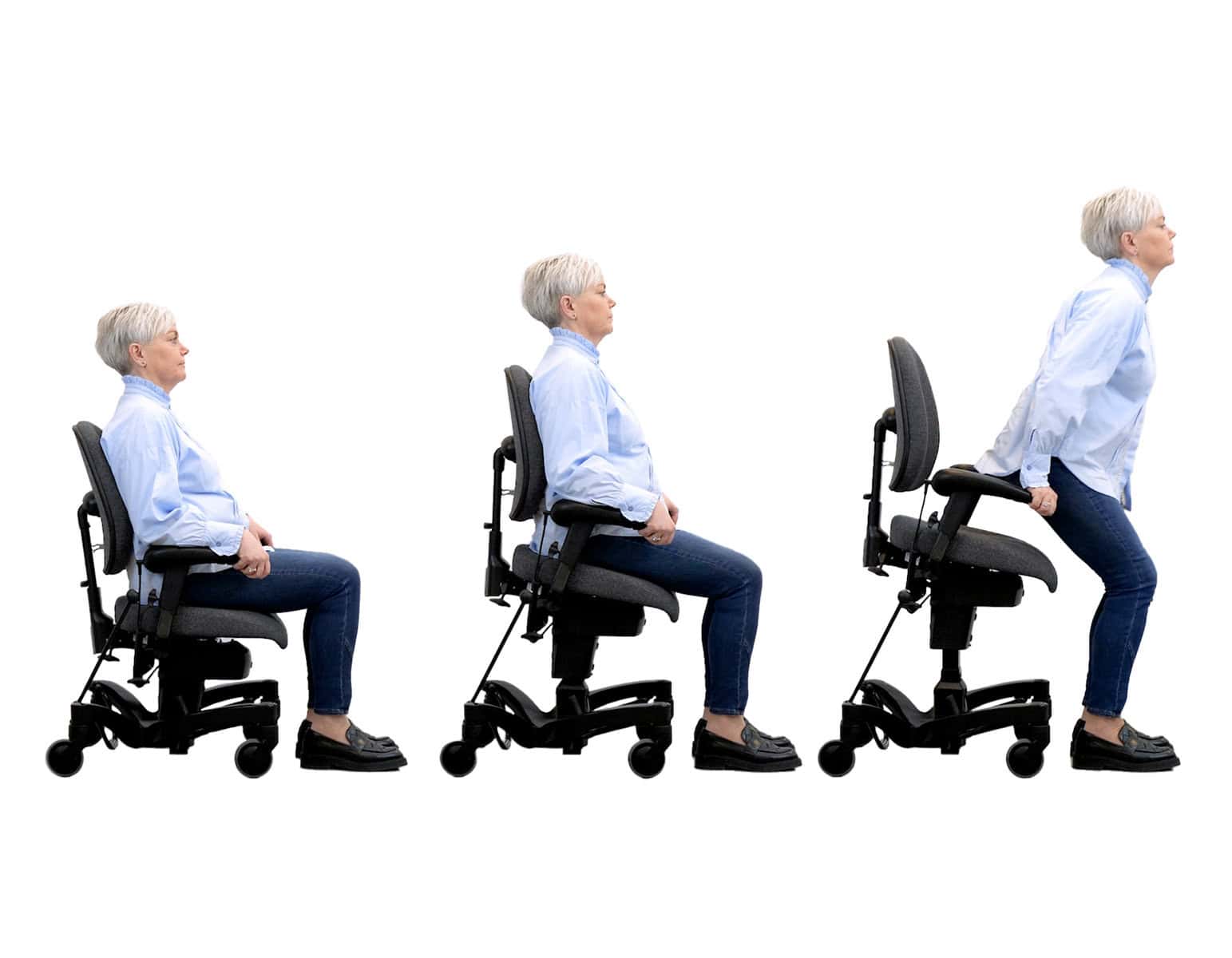
Recognizing the challenges faced in nursing homes, such as the possible limitation on personal independence, many individuals and their families explore solutions that enable older adults to remain in their homes longer. Emphasizing mobility, safety, and comfort can significantly support this goal. One such solution is the VELA Independence Chair, a medically approved mobility chair designed for use at home. It enhances safety with features like a central brake, offers freedom of movement while seated, and supports daily activities like cooking, dressing, or transferring, all while reducing the burden on informal caregivers.
Regulatory and insurance frameworks increasingly support early adoption of customizable, modular assistive devices—including smart wheelchairs, modular seating, exoskeletons, and AI-powered monitoring in both assisted living and nursing home settings. Updated best practices favor these innovations to improve care quality, independence, and safety, with growing expert emphasis on tech-driven personalization rather than rigid facility distinctions. Expanded funding mechanisms are making upgrades and integration of new technology—such as voice-controlled wheelchairs, accessibility systems, and digital health tools—more accessible than ever.
Healthline, American Retirement Homes, A Place for Mom, PMC, AbilityMT.org, ATIA, BeAccessible.com, Mobility Management, Universal Health Products, AbilityMT, Accessibility Innovations, Living Care Lifestyles.
The community atmosphere varies as well. Assisted living residents frequently participate in organized activities that foster social interaction, reducing loneliness and depression. Conversely, nursing homes focus more on medical needs, which might result in fewer recreational opportunities but ensure continuous healthcare.
Visual aids, such as comparison charts, can effectively highlight these differences, helping potential residents and families make informed choices by clearly delineating payment options and community features.
Choosing Between Assisted Living and Nursing Homes
The decision between assisted living and nursing homes hinges on several factors, including the senior’s health status, financial situation, and personal preferences. It’s essential to assess both current and future needs. Transitioning to a nursing home may become necessary if a resident’s health significantly declines, necessitating comprehensive medical services.
In conclusion, understanding the differences between assisted living and nursing homes is vital for informed decision-making. While nursing homes provide comprehensive medical care, assisted living can offer an enhanced quality of life through independence and community support. Products like VELA chairs, which promote comfort and autonomy, can further support this independence, especially in mobility. Technology is advancing rapidly in both settings, with start-ups and established companies offering affordable, customizable AI-driven solutions—such as smart wheelchairs, enhanced accessibility systems, and modular mobility devices—that deliver functional improvements and can delay the need for nursing home placement.
Ultimately, the choice should reflect the unique needs and preferences of your loved ones.
Robobionics, EveryLearnerEverywhere.org, Mobility Management, Universal Health Products, AbilityMT, Living Care Lifestyles, Accessibility Innovations.
Exploring Alternatives to Nursing Homes
Mobility solutions such as VELA Chairs offer a viable alternative for those seeking to maintain independence at home while aging. Designed to provide both safety and ease of movement, these chairs feature a central brake for stability and electric height adjustability, which assists with safely transferring from one activity to another. By reducing the physical burden on caregivers, such devices can delay or even negate the need for early transition to a nursing home. Imagining life at home with a VELA Chair involves greater freedom in performing everyday tasks like cooking, cleaning, and relaxing, preserving dignity without sacrificing safety. Though VELA is not the only solution, it stands out as a practical, proven option for those prioritizing autonomy and safety. Consider exploring VELA Mobility Aids for Seniors and Fall Prevention Strategies to understand how these solutions align with your specific needs.